
CAR SHOW & TOUR COVERAGE THAT PROTECTS YOUR CLASSIC AT EVERY EVENT
Classic car shows and tours across Wyoming, Colorado, Utah, and Montana expose your prized investment to risks standard policies don't cover—spectator damage, weather incidents, transport accidents, and theft at public events where hundreds of people surround your vehicle. As an independent brokerage specializing in collector vehicles, we compare 20+ carriers to find car show and tour coverage that actually protects your classic during display, transport, and organized events—not generic policies that exclude the exhibitions and tours where you actually use your investment. We're local enthusiasts who attend these shows ourselves, understand what can go wrong when your classic leaves secure storage, and make sure you're protected from the moment you back out of your garage until you return home.
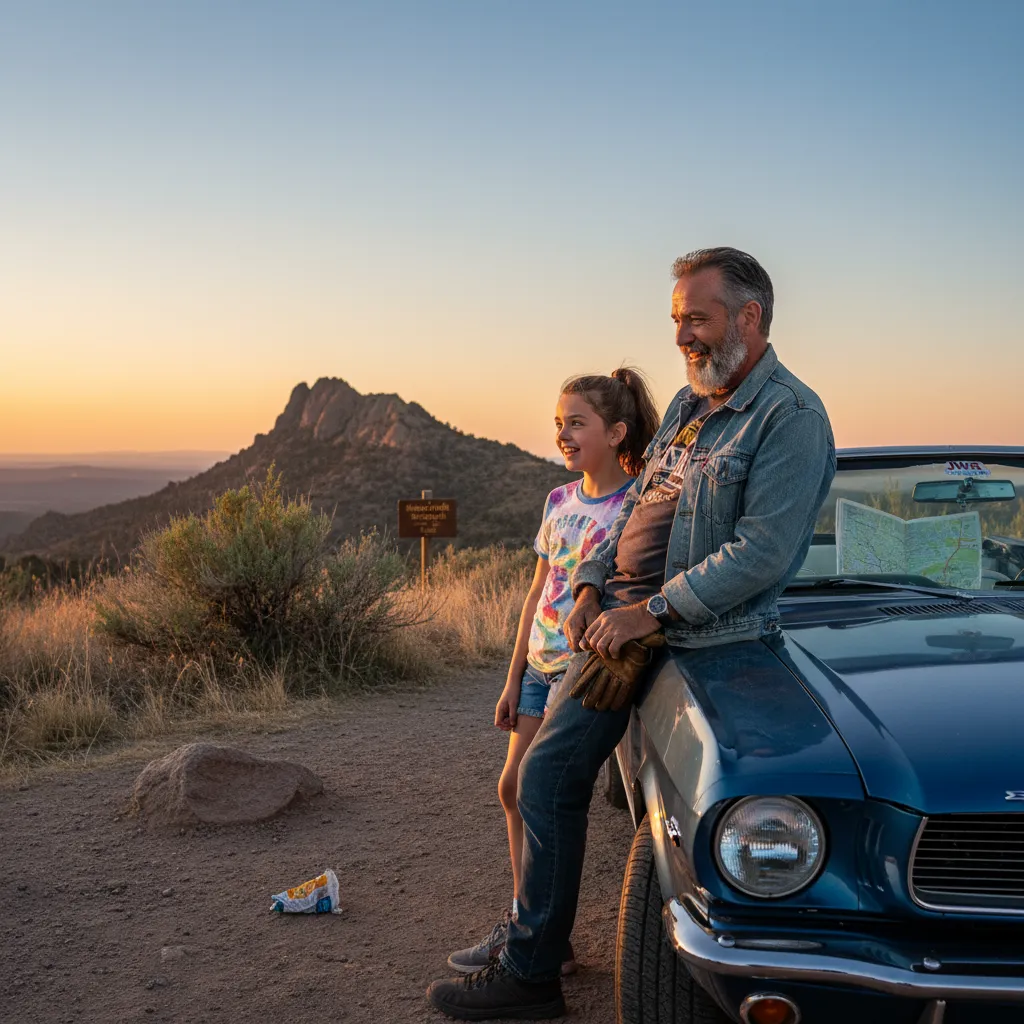
COMPREHENSIVE CAR SHOW & TOUR PROTECTION
Specialized coverage that extends protection beyond your garage to every show, exhibition, and tour
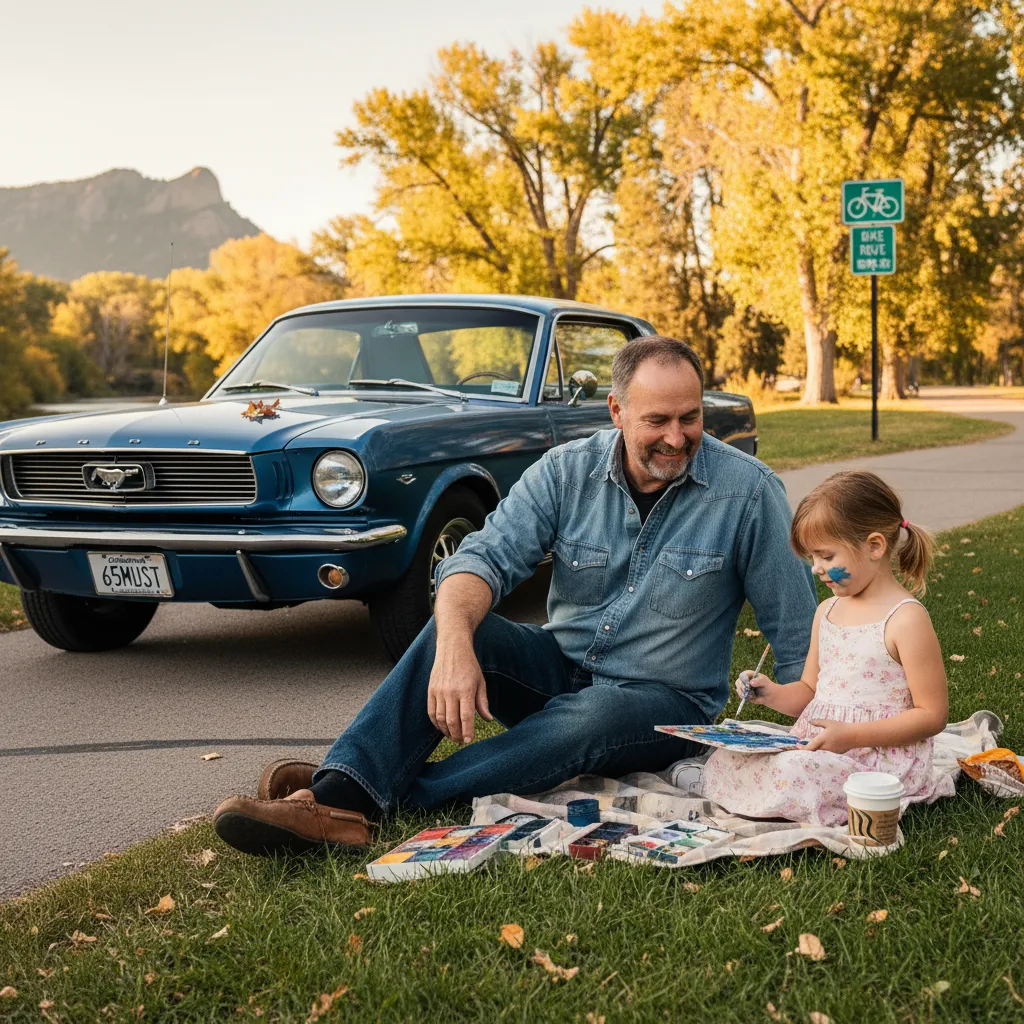
UNDERSTANDING CAR SHOW RISKS
When you display your meticulously restored 1965 Mustang or your pristine 1978 Porsche 911 at a car show in Fort Collins, Casper, or St. George, you're exposing a vehicle worth $40,000-$150,000+ to hundreds of spectators—many of whom lean against paint, open doors without permission, let children climb on bumpers, or accidentally cause damage through carelessness that would never happen in your secure garage. Car shows create risk environments completely different from normal storage or recreational driving: you're often away from your vehicle viewing other cars, attending seminars, or eating, losing direct control while strangers surround your investment in crowded outdoor venues where weather can change rapidly, tent structures can collapse in wind, and the sheer volume of people increases contact damage probability exponentially. Standard collector car insurance policies often contain vague language about "exhibitions" without clearly defining whether coverage applies during transport to shows, during display at the venue, if the vehicle must be trailed versus driven, or what happens if damage occurs when you're temporarily away from the vehicle—leaving critical gaps exactly when you need protection most. We structure car show and tour coverage that explicitly covers your classic from the moment it leaves your garage through the entire event and return journey, including spectator-caused damage, weather incidents, theft of vehicle or components, accidental collision with display infrastructure or other vehicles, and vandalism—with zero-deductible options available from specialty carriers who understand that minor spectator damage (scratches, small dents, paint transfer) shouldn't require you to pay $500-$1,000 deductibles on claims that are inherently part of car show participation risk. Our coverage specifies exactly what activities are covered (judged shows, cruise-ins, parades, organized tours, club events), clarifies transport methodology requirements (driven versus trailered), and ensures you understand your protection scope before you leave for Rocky Mountain Mustang Roundup, Pikes Peak Hill Climb exhibition, or any regional classic car event.
COVERAGE TAILORED TO YOUR CLASSICS
A bone-stock 1957 Chevy Bel Air worth $45,000 that you drive to local shows needs completely different car show coverage than a heavily modified 1969 Camaro with $80,000 invested that you trailer to national events 500 miles away—and neither should pay for protection they don't need or have gaps in coverage for their actual usage patterns. We customize car show and tour coverage by analyzing your specific situation: how many shows you attend annually (occasional local participant versus serious national circuit exhibitor), whether you drive your classics to events or transport via enclosed trailer (dramatically different transport risk profiles), the total value of your vehicle including modifications and restoration work (agreed value protection adjusted for your actual investment), whether you display at controlled-access judged shows with professional security or open-to-public cruise-ins without barriers, and what additional exposure you have like spare parts, memorabilia, or custom components stored in the vehicle during shows. For example, a collector who attends 15-20 shows annually across multiple states needs extended geographic coverage, higher limits for spare parts and tools transported to events, roadside assistance that includes flatbed towing appropriate for low-riding classics, and potentially travel expense coverage if the vehicle breaks down far from home—while a weekend enthusiast attending 3-4 local shows needs simpler coverage focused on spectator damage and weather incidents at nearby venues with basic transport protection. We might recommend zero-deductible comprehensive coverage for collectors with pristine show-quality vehicles where even minor spectator scratches warrant professional repair, spare parts coverage up to $5,000-$10,000 for serious enthusiasts who transport valuable original components to swap meets, and specific event liability coverage for high-value vehicles displayed at venues without adequate organizer insurance—while excluding unnecessary coverage to keep premiums reasonable for your actual risk profile. The result is car show and tour protection matched to how you actually use your classic, not generic event coverage designed for casual hobbyists that leaves serious collectors exposed or comprehensive policies that make occasional participants pay for protection they'll never use.
Local expertise matters
Independent agency committed to providing transparent, straightforward insurance solutions for Wyoming and Northern Colorado residents.
REAL CAR SHOW RISKS, REAL PROTECTION
Coverage that stands between your classic investment and the unique risks of public display
When Spectators Damage Your Display
You're displaying your meticulously restored 1968 Camaro SS at a popular cruise-in on Fort Collins' Old Town square, you step away for fifteen minutes to view other vehicles and grab food, and when you return you discover a long scratch along the passenger door where someone leaned against the car with keys in their pocket—damage that will require professional paint correction costing $1,200-$2,500 to properly repair without compromising your show-quality finish. Spectator-caused damage is the single most common car show insurance claim, ranging from minor scratches and paint transfer to dents from children climbing on vehicles, broken trim pieces from doors being opened carelessly, damaged interiors from unauthorized entry, and even structural damage when particularly careless attendees treat displayed vehicles as props rather than valuable investments worth tens of thousands of dollars. Many classic car owners discover too late that their standard collector policy doesn't clearly cover spectator damage at shows, has restrictive requirements like "owner must be present at all times" that are impossible to maintain during day-long events, requires expensive deductibles ($500-$1,000) that make filing claims for common minor damage financially questionable, or contains vague exclusions about "damage from contact with persons" that adjusters interpret to deny legitimate claims. We structure car show coverage that explicitly covers spectator-caused damage with zero-deductible options from specialty carriers like Hagerty and American Collectors who understand that minor contact damage is an inherent risk of show participation—ensuring that the $1,500 paint repair doesn't come out of your pocket because someone was careless around your investment. Our coverage clarifies that you're protected even when temporarily away from your vehicle (within reason—not abandoning it overnight), covers both malicious damage and accidental contact, and includes the paint correction and detailing work necessary to return show-quality finishes to pristine condition after spectator incidents.
When Weather Strikes at Outdoor Events
You're participating in a weekend-long classic car exhibition in Wyoming's Thunder Basin, your 1972 Corvette is displayed under a white vendor tent with fifty other classics, and a sudden severe thunderstorm with 60+ mph winds collapses multiple tents—crushing your hood and windshield, causing $12,000+ in damage to fiberglass body panels and glass, while hail simultaneously pounds other exposed vehicles causing paint damage and dents that total another $8,000-$15,000 across your collection if you brought multiple cars. Weather-related damage at outdoor car shows represents a significant risk category that many collectors underestimate until they experience Mountain West's notoriously unpredictable weather—sudden thunderstorms that develop in minutes during summer months, hail that can drop from clear skies with minimal warning, high winds that exceed 80 mph and turn display infrastructure into projectiles, and flash flooding in areas where drainage is poor and vehicles sit in low-lying display areas. Standard homeowner's insurance doesn't cover vehicles, standard auto insurance often excludes vehicles at "exhibitions" or "competitive events," and even collector car policies may have ambiguous language about whether weather damage at shows is covered under comprehensive coverage or excluded as "event-related" damage that requires separate endorsement. We structure comprehensive weather protection within car show and tour coverage that explicitly covers hail damage, wind-related damage including tent collapse and flying debris, flood damage if display areas are inundated, and lightning strikes or fire resulting from weather events—ensuring your classic is protected from Mountain West's severe weather regardless of whether it strikes at your home garage or at a show venue 200 miles away. Our coverage applies the same agreed value and deductible structure to weather claims at events as it does to weather damage at your home, meaning you're not facing higher out-of-pocket costs just because damage occurred while you were participating in the hobby rather than storing your vehicle safely—and we work with carriers whose adjusters understand that weather damage to collector vehicles often requires specialized fiberglass repair, paint matching for original finishes, or sourcing of NLA (no longer available) glass and trim components that cost substantially more than modern replacement parts.
When Transport Goes Wrong
You're driving your 1965 Shelby Cobra replica to a major classic car show in Colorado Springs, you're 150 miles from home on a rural highway, and your vehicle suffers mechanical failure—overheating due to a failed water pump at altitude where your classic's cooling system wasn't adequately prepared for 7,000+ foot elevations and sustained mountain grades. Now you need flatbed towing (standard hook-and-chain towing would damage your low-riding classic's front end), the nearest qualified shop that can source appropriate parts and perform repairs is 75 miles away, you're facing $800+ in towing costs plus $1,500-$2,500 in mechanical repairs plus potential hotel costs if repairs take multiple days, and you're stranded far from home trying to coordinate recovery while the car show you planned to attend all year is proceeding without you. Transport-related breakdowns and accidents represent a significant risk dimension for classic car enthusiasts who drive their vehicles to shows rather than trailering them—exposing aging mechanical systems to sustained highway speeds, mountain grades, temperature extremes, and road hazards they don't encounter during short pleasure cruises around town. Many collector car insurance policies provide minimal or no roadside assistance coverage, exclude mechanical breakdown from covered events, cap towing reimbursement at $100-$150 (adequate for local towing but completely insufficient for rural Mountain West distances where tow trucks may travel 50+ miles to reach you), or require you to use standard tow services that lack the specialized equipment (flatbed with soft tie-downs, wheel lift capabilities, low-clearance expertise) necessary for collector vehicles. We structure car show and tour coverage with comprehensive roadside assistance specifically designed for classics—including flatbed towing up to 150-200 miles to ensure you can reach qualified restoration shops not just the nearest generic mechanic, emergency fuel delivery and jump starts for temperamental older electrical systems, lockout service that won't damage vintage locks and doors, and trip interruption coverage that reimburses hotel, meals, and transportation costs if mechanical failure strands you overnight or longer while traveling to distant events. Our carrier partners maintain roadside assistance networks experienced with collector vehicles, understand the difference between a modern sedan and a 1960s sports car with 4 inches of ground clearance, and dispatch appropriate equipment rather than sending hook-and-chain wreckers that would damage your investment while attempting to help.
When Claims Get Complicated
Your 1970 Plymouth Barracuda suffers $18,000 in damage at a car show—combination of spectator-caused scratches, hail damage, and a dent from another vehicle backing into yours in the crowded show parking area—but your insurance adjuster is questioning coverage, suggesting the spectator damage should have been prevented by closer monitoring, arguing the hail damage deductible should apply separately from the collision damage deductible, and proposing repair at a generic body shop using aftermarket parts rather than a Mopar restoration specialist using correct original-style components that maintain your vehicle's authenticity and value. Insurance claims on collector vehicles are fundamentally different from standard auto claims because values are higher, repair methodologies must preserve originality and authenticity, parts sourcing often requires specialists who understand NOS (new old stock) versus reproduction versus modified components, and the difference between proper restoration-quality repair and adequate-but-wrong repair can be thousands of dollars and significantly affect future vehicle value. Most classic car owners have never filed a major claim and don't understand how to document damage properly, what repair estimates should include, how to advocate for correct parts and methodologies when adjusters pressure for cheaper alternatives, or when to push back against claim denials or lowball settlement offers that don't reflect actual restoration costs. Without an advocate who understands both insurance procedures and classic car repair realities, owners often accept inadequate settlements, agree to incorrect repair methodologies that damage vehicle value, or pay thousands out of pocket for proper repairs because they don't know how to negotiate effectively with adjusters who may have limited classic car expertise. We advocate throughout the claims process—reviewing initial damage documentation to ensure it's thorough enough to support proper repairs, recommending restoration shops we know and trust who will provide accurate estimates that reflect correct repair methodologies, communicating with adjusters using industry terminology they can't dismiss or minimize, challenging inappropriate deductible applications or coverage denials when they contradict policy language, and if necessary escalating to carrier management or bringing in independent appraisers when adjusters are being unreasonable about values or repair requirements. You get an expert fighting for full, fair, correct resolution—ensuring your Barracuda is restored properly using appropriate parts and methodologies, that you're not paying out of pocket for coverage you already purchased, and that the repair maintains your vehicle's value and authenticity rather than accepting compromise solutions that save the insurance company money at your expense. We've guided hundreds of classic car claims through resolution, we know where carriers try to cut corners, and we ensure you receive the full value of the coverage you're paying for.
CAR SHOW INSURANCE INSIGHTS THAT MATTER
Essential knowledge to guide your classic car show protection decisions
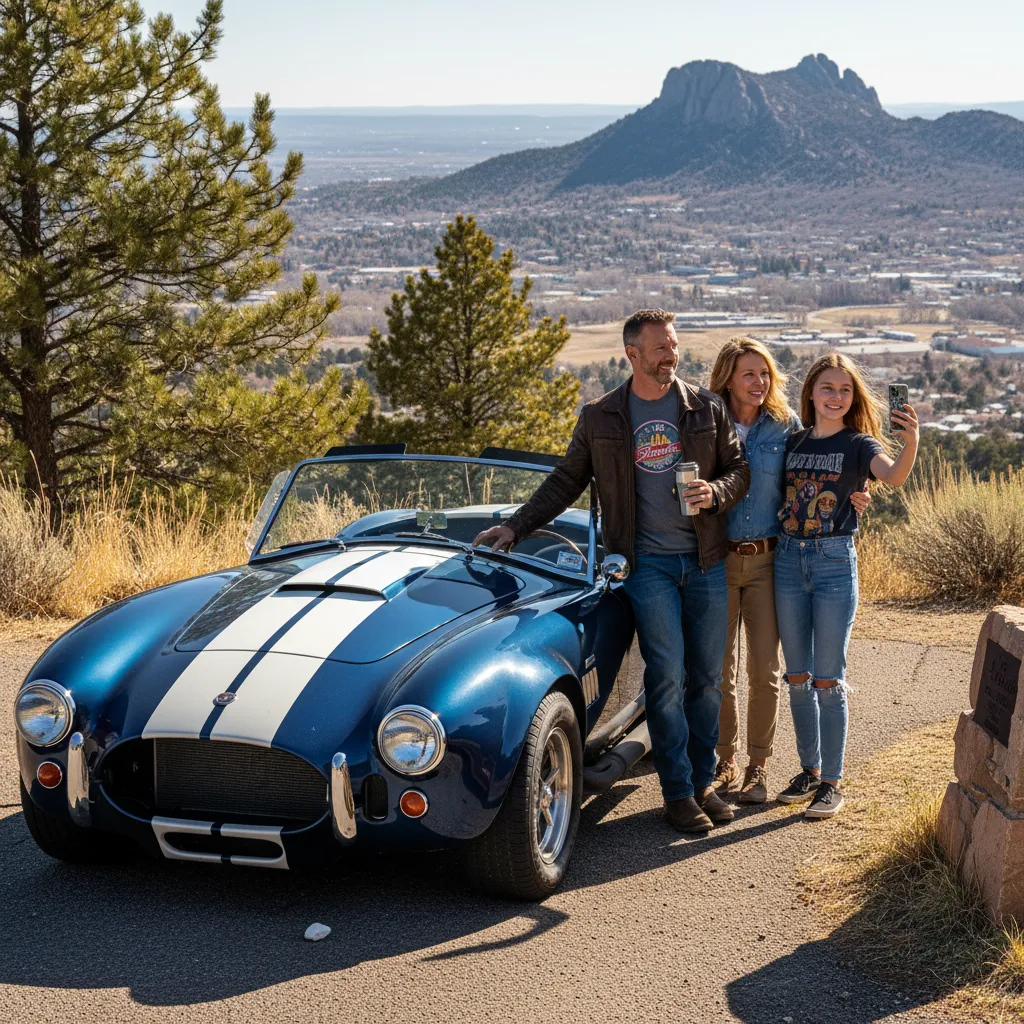
Preparing Your Classic for Show Season
Critical steps to document your vehicle's condition before show season begins—including comprehensive photography from multiple angles, detailed documentation of restoration work and modifications, updated appraisals if you've completed significant work over winter, and verification that your agreed value coverage reflects current vehicle worth. Plus, mechanical preparation considerations that reduce breakdown risk during transport and insurance documentation you should carry to shows including policy declarations, carrier contact information, and emergency procedures for documenting damage incidents immediately when they occur.
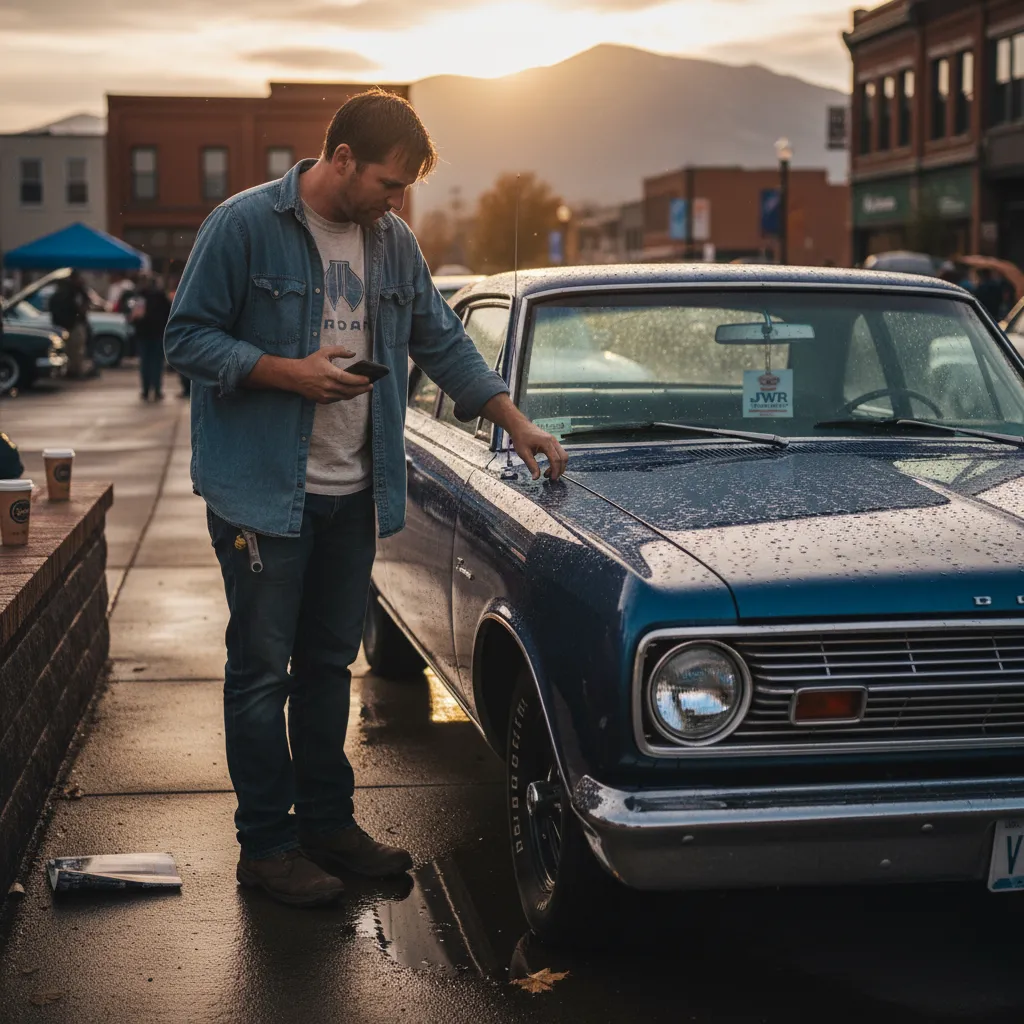
What Car Show Coverage Actually Covers
Detailed breakdown of what is and isn't covered under car show and tour endorsements—including the critical distinction between driving your classic to shows versus trailering it, how coverage applies when you're temporarily away from your vehicle versus abandoning it overnight, what happens if damage occurs in show parking areas versus display areas, how deductibles apply to different claim types, and why understanding your specific policy's definition of "exhibition" and "organized event" matters before assuming you're covered at informal cruise-ins or Cars & Coffee gatherings.
COVERAGE FOR EVERY COLLECTOR STAGE
First-Time Show Participant
Just starting to display your classic at local shows and cruise-ins? Your priority is basic car show coverage that protects against the most common risks—spectator damage, weather incidents, and parking lot mishaps—while you're learning the show scene and determining how extensively you want to participate in the hobby. We structure affordable show coverage focused on local events within 100 miles of home, basic spectator damage protection, and essential weather coverage—giving you confidence to participate in shows without overwhelming insurance costs while you're still exploring the hobby and building your collection.
Regular Regional Exhibitor
Attending 10-15 shows annually across Wyoming, Colorado, and neighboring states? You're traveling farther from home, spending weekends at destination events, possibly trailering your classic to protect it during longer transports, and investing more in show preparation, parts, and memorabilia you transport to events. We expand coverage to include extended geographic protection for multi-state show participation, enhanced roadside assistance for longer-distance travel, increased spare parts coverage for valuable components you transport, and potentially trip interruption coverage for overnight events—ensuring you're comprehensively protected as your show participation becomes a significant hobby investment.
Serious Collector & Exhibitor
Own multiple classics and participate in 20+ shows annually including major regional and national events? You're traveling extensively, displaying multiple vehicles, potentially competing in judged shows, transporting significant spare parts and memorabilia, and your total collection value has grown to $200,000-$500,000+ across multiple vehicles. We structure comprehensive coverage for serious collectors—including agreed value protection across your entire stable, coordinated coverage ensuring no gaps between policies on multiple vehicles, enhanced liability coverage for high-value vehicles at public events, and specialized protection for the tools, parts, and memorabilia that represent substantial additional investment beyond the vehicles themselves.
Elite Collection Manager
Managing a significant collection of high-value classics including rare or historically significant vehicles worth $100,000+ each? You're attending invitation-only events, potentially shipping vehicles to national concours competitions, storing vehicles across multiple locations, and your collection represents a seven-figure investment requiring sophisticated insurance strategies. We coordinate elite coverage including international event protection if you exhibit abroad, enclosed transport coverage for high-value vehicle shipping, multi-location storage coverage, and potentially separate valuable articles policies for extremely rare vehicles or automotive memorabilia collections—ensuring your world-class collection is protected with the same sophistication and expertise you've invested in building it.
FAQs
The cost of classic car insurance depends on several factors, including your vehicle's agreed value, how and where it's stored, and your annual mileage. Unlike standard auto insurance, classic policies often have lower premiums because these cars are typically driven less and maintained meticulously. To get a precise quote tailored to your cherished classic, give us a call!
Classic car insurance offers specialized coverage designed for collector vehicles, including "agreed value" coverage, which guarantees you’ll receive the car’s full insured value in case of a total loss. It can also cover spare parts, roadside assistance specifically for classics in Wyoming, and even provide coverage if your car is at a show. This ensures your investment is protected far beyond a standard policy.
For classic car insurance, an appraisal determines your vehicle's "agreed value," which is the amount you’ll be paid if it's a total loss. You’ll usually need to submit photos, receipts for restorations, and sometimes a professional appraisal report. We're here to guide you through this process to ensure your classic, whether it's a vintage pickup from an oil field or a meticulously restored muscle car, is accurately valued and fully protected.
Agreed Value coverage means you and the insurer agree on your car's value upfront, and you're guaranteed that amount if it’s totaled. Stated Value, however, means the insurer pays either the stated amount or the actual cash value (ACV) at the time of loss, whichever is less. For classics, especially those driven through Wyoming's changing weather, Agreed Value offers far greater peace of mind and protection, as it locks in your car's true worth, and we highly recommend it.
Classic car insurance typically excludes damage from everyday use, racing, or commercial purposes. It generally only covers the vehicle under specific conditions, like limited pleasure driving, exhibitions, and club events. Always review your policy for exact exclusions and discuss how you use your classic with your agent to ensure proper coverage.
Yes, absolutely! Your standard auto policy may not adequately cover the true value of your classic vehicle, especially if it's appreciating. Classic car insurance offers agreed value coverage, which ensures you're paid the car's current market value without depreciation in case of a covered loss. Don't let a standard policy undervalue your unique ride; get a specialized classic car quote today.