
MEDICAL PAYMENTS COVERAGE THAT PROTECTS YOUR GUESTS AND YOUR WALLET
When friends slip on ice outside your Colorado apartment, guests trip over kids' toys in your Wyoming rental, or your dog nips a visitor—Medical Payments to Others coverage pays their medical bills without determining fault or risking your personal assets. As an independent brokerage serving Wyoming, Colorado, Utah, and Montana, we compare 20+ carriers to add this affordable no-fault protection to your renters policy—typically $1,000 to $5,000 in coverage for just $8-$20 annually that prevents minor guest injuries from becoming friendship-ending lawsuits or financial catastrophes. We're local insurance professionals who answer the phone, explain coverage in plain English, and make sure you understand exactly how this protection keeps your relationships and finances intact when accidents happen in your rental home.

COMPREHENSIVE MEDICAL PAYMENTS PROTECTION
No-fault coverage that pays guest medical bills immediately without lawsuits or blame
UNDERSTANDING NO-FAULT PROTECTION
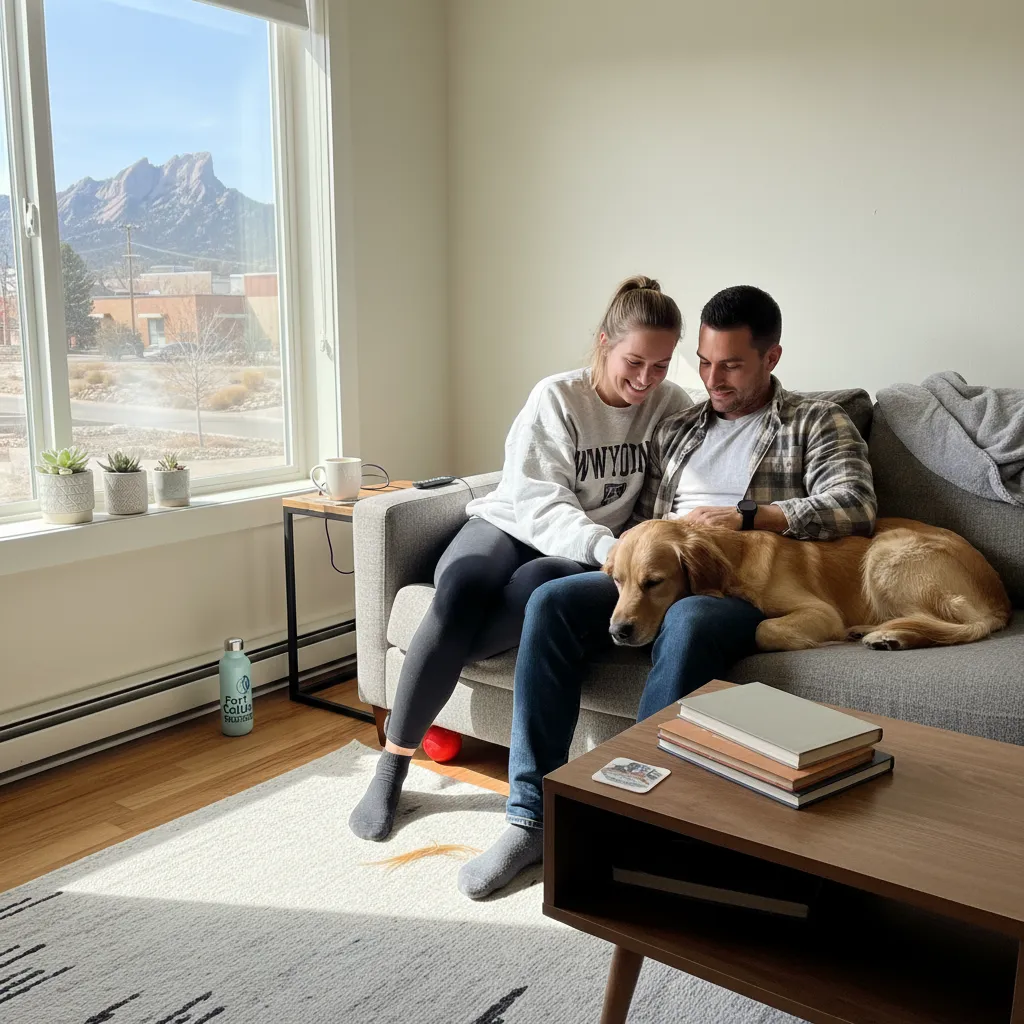
Medical Payments to Others coverage operates fundamentally differently than traditional liability insurance—it's a no-fault mechanism that immediately pays guest medical bills without requiring any determination of who was responsible for the injury, making it one of the most valuable yet misunderstood components of renters insurance. When your friend slips on the icy steps outside your Casper apartment building, trips over an unsecured rug in your Fort Collins rental, or gets bitten by your dog during a visit to your St. George townhome, this coverage automatically responds to their medical expenses—emergency room visits, X-rays, urgent care treatment, ambulance transport, surgical procedures, physical therapy, and even dental work from accidental injuries—without requiring proof that you were negligent or legally liable for what happened. This matters tremendously because it means an injured guest receives immediate financial help for medical treatment while you avoid the relationship-destroying process of determining fault, disputing responsibility, or defending yourself against claims that you should have prevented their injury. We structure Medical Payments coverage that responds within days of injury occurrence rather than months of liability investigation, typically providing $1,000 to $5,000 per incident that covers most minor-to-moderate injury scenarios renters actually face—preventing medical bill disputes from escalating into formal lawsuits that could expose your personal assets and destroy friendships or family relationships built over years.
COVERAGE TAILORED TO YOUR SITUATION
Generic renters insurance treats all tenants the same, but a single professional living alone in a studio apartment has completely different guest injury exposure than a family with young children and a dog entertaining frequently in a three-bedroom rental—and your Medical Payments coverage should reflect those different risk profiles without making you pay for protection you don't need. We customize Medical Payments limits by analyzing your specific situation: how frequently you entertain guests and host social gatherings (weekly game nights versus occasional family visits), whether you own pets especially dogs with any history of nipping or aggressive behavior, the physical characteristics of your rental property including stairs, slippery surfaces, uneven flooring, or poorly lit common areas that increase fall risk, your lifestyle factors such as children whose toys create trip hazards or elderly parents who visit and face higher injury risk from falls, and your personal asset situation that determines how much financial exposure you face if guest injuries exceed Medical Payments limits and trigger liability coverage. For example, we might recommend $5,000 Medical Payments limits for a family renting a house with a large dog, frequent visitors, and backyard entertaining that increases injury likelihood, while a young professional in a one-bedroom apartment with minimal entertaining might need only the standard $1,000 coverage—with the premium difference of just $10-$15 annually making higher limits remarkably affordable for anyone with elevated guest exposure. The result is coverage calibrated to your actual guest injury risk and financial protection needs, not a one-size-fits-all policy that either leaves you exposed when serious injuries exceed minimal limits or makes you overpay for coverage amounts you'll never realistically need given your lifestyle and entertaining patterns.
Local expertise matters
Independent agency committed to providing transparent, straightforward insurance solutions for Wyoming and Northern Colorado residents.
REAL GUEST INJURY RISKS, REAL PROTECTION
No-fault coverage that prevents minor accidents from becoming major financial problems
When Friends Slip and Fall
It's January in Casper and you're hosting a casual dinner party when your college friend arrives, steps on the icy walkway outside your apartment building that the landlord hasn't salted yet, slips hard onto the concrete stairs, and breaks her wrist—requiring an emergency room visit, X-rays, orthopedic consultation, a cast, and follow-up appointments totaling $3,200 in medical bills over the next six weeks. Slip-and-fall accidents represent the most common guest injury scenario in rental properties, with winter ice, wet bathroom floors, unsecured rugs, poor lighting in stairwells, and unexpected spills creating hazards that cause guests to fall and sustain injuries requiring immediate medical treatment—and without Medical Payments coverage, you're facing an impossible choice between offering to pay your friend's medical bills out of pocket (straining your finances and possibly setting precedent for legal liability), letting your friend's health insurance handle it while she pays deductibles and co-pays that damage your relationship, or facing a potential lawsuit if your friend decides you should have prevented the hazard that caused her injury. Many renters don't realize that standard liability coverage only responds if you're legally responsible for the injury, requiring investigation and fault determination that takes months and creates adversarial dynamics that destroy friendships—while Medical Payments coverage pays medical bills within days regardless of fault, typically covering emergency room visits, diagnostic imaging, specialist consultations, physical therapy, and medical equipment that injured guests need during recovery. We structure Medical Payments coverage at levels appropriate for your entertaining patterns and rental property risks—typically $2,000 to $5,000 for renters who regularly host guests in properties with stairs, outdoor access areas, or known hazards—ensuring slip-and-fall accidents trigger immediate financial assistance that preserves your friendship and protects you from legal disputes over who should pay mounting medical bills.
When Your Dog Bites a Visitor
Your normally friendly dog gets startled when your neighbor's child reaches suddenly to pet him during a backyard gathering at your Fort Collins rental, nips the child's hand defensively, and breaks the skin—requiring immediate urgent care treatment, thorough wound cleaning, antibiotics, potential rabies protocol review, and plastic surgery consultation for a facial bite that could scar, with total medical costs reaching $4,800 before considering any emotional trauma or long-term treatment needs. Dog bite injuries represent one of the most financially and emotionally devastating guest injury scenarios for renters, with average dog bite claims nationally exceeding $50,000 when serious injuries require reconstructive surgery or permanent scarring occurs—but even minor bites requiring urgent care, wound treatment, and antibiotic therapy generate $2,000 to $5,000 in immediate medical bills that create tremendous tension between pet-owning tenants and injured guests or their parents. Without Medical Payments coverage, dog bite situations force you into terrible positions: paying medical bills directly from savings you can't afford to spend, allowing the injured party's health insurance to pursue subrogation against you personally for reimbursement, or facing potential lawsuits alleging that you knew your dog had aggressive tendencies and failed to protect visitors—any of which can destroy relationships with neighbors, friends, or family members whose children got hurt in your rental home. Standard liability coverage might eventually pay if the injured party sues and proves you negligent, but that process takes months or years and requires adversarial legal proceedings that permanently damage relationships, while Medical Payments coverage immediately pays medical bills regardless of fault determination—covering emergency treatment, specialist consultations, prescriptions, follow-up care, and even minor surgical procedures without requiring lawsuits or blame assignment that turn tragic accidents into relationship-ending conflicts. We structure Medical Payments coverage specifically accounting for pet ownership risk, typically recommending $5,000 limits for dog owners who regularly have guests in their rental properties, and we coordinate this coverage with pet liability considerations to ensure you're comprehensively protected when pet-related injuries occur—preventing dog bite incidents from becoming financial catastrophes or friendship-destroying legal battles.
When Coverage Needs Grow With Your Life
You started renting a studio apartment in Rock Springs as a single professional with minimal entertaining and standard $1,000 Medical Payments coverage, but three years later you've moved to a three-bedroom house in Loveland, gotten engaged, adopted a dog, and you're suddenly hosting regular dinner parties, holiday gatherings with extended family including elderly parents and young nieces and nephews, and backyard barbecues with coworkers—dramatically increasing your guest injury exposure from occasional friend visits to weekly gatherings with diverse age groups and elevated fall risks. Your guest injury risk profile changes substantially as your living situation evolves—more frequent entertaining means statistically more injury opportunities, elderly visitors face higher fall risk and more serious injury consequences from simple slips, young children running around create trip hazards and increase chaos that can startle pets into defensive reactions, and backyard entertaining in rental properties often involves uneven surfaces, steps, or deck areas that landlords maintain inadequately—but most renters never review Medical Payments coverage after initial policy purchase, discovering only after a serious guest injury that their $1,000 coverage limit barely covers emergency room treatment and leaves them personally exposed for thousands in additional medical bills when their mother-in-law falls on poorly maintained deck stairs and requires surgery. Many renters insurance policies never get reviewed as life circumstances change—you move to different properties, your entertaining patterns evolve, you acquire pets, you start hosting elderly family members or young children—and meanwhile your Medical Payments coverage remains frozen at the minimal limits you selected years ago as a young single renter with completely different risk exposure. We proactively review Medical Payments coverage whenever your situation changes—when you move to a new rental property with different hazard characteristics, when you adopt pets or your dog's behavior changes, when your entertaining frequency increases, or when you start regularly hosting higher-risk visitors like elderly relatives or young children—ensuring your coverage limits match your current guest injury exposure rather than your outdated risk profile from years ago, typically upgrading from $1,000 to $3,000 or $5,000 limits for just $10-$15 additional annual premium that provides dramatically better protection as your life becomes more complex and your guest injury exposure increases substantially.
When Filing Claims Gets Confusing
Your friend trips over your child's toy left in the hallway of your Utah rental, falls awkwardly, and injures her knee requiring emergency room evaluation and orthopedic follow-up, but now you're confused about whether you should file a Medical Payments claim or wait to see if your friend's health insurance covers everything, whether filing this small claim will increase your renters insurance premium, what documentation you need from your friend and her medical providers, and whether you should just offer to pay the bills yourself to avoid involving insurance at all—and without expert guidance you're making expensive decisions based on guesses that could either leave you personally liable for bills or unnecessarily use your own money when insurance would pay. Guest injury claim situations create tremendous confusion for renters who rarely file claims and don't understand how Medical Payments coverage works differently than liability insurance—you're unsure whether filing a $2,000 medical claim will trigger premium increases, you don't know if you need to admit fault or carefully avoid accepting responsibility, you're uncertain what information to give your insurance company versus what conversations might jeopardize coverage, and you're worried that involving insurance will damage your relationship with the injured friend who might feel like you're treating a friendship matter as a legal issue requiring carriers and adjusters. Most renters have never filed guest injury claims and don't realize that Medical Payments coverage operates specifically to avoid these complications—claims typically don't increase premiums because the coverage is designed for exactly these situations, you don't need to determine or admit fault because it's explicitly no-fault coverage, filing claims doesn't create adversarial relationships because injured guests simply receive medical bill payment without lawsuits or investigations, and proper documentation actually protects you by creating clear records if the situation later escalates beyond the Medical Payments limit into liability coverage territory. Without an independent agent guiding you through the claims process, you're likely making mistakes—either not filing claims when you should and paying bills personally that insurance would cover, or conversely filing claims incorrectly with incomplete documentation that causes delays and frustration, or worst of all saying things to injured guests or insurance adjusters that inadvertently create liability exposure you could have avoided with proper guidance. We walk you through the entire Medical Payments claims process—explaining exactly when you should file claims versus handle bills personally, providing clear guidance about what documentation injured guests need from their medical providers, helping you communicate appropriately with injured guests to preserve relationships while protecting your coverage, and intervening with insurance carriers when claims processing is delayed or medical bill payments aren't being handled correctly—ensuring guest injuries get resolved quickly and fairly without you making expensive mistakes or damaging important relationships through claims process confusion.
MEDICAL PAYMENTS INSIGHTS THAT MATTER
Practical knowledge to guide your guest injury protection decisions

How Medical Payments Differs from Liability Coverage
Clear explanation of the critical distinction between no-fault Medical Payments coverage that pays immediately regardless of responsibility and liability coverage that only responds when you're legally at fault—including when each coverage type activates, how they work together to provide comprehensive guest injury protection, and why you need both coverages rather than viewing them as duplicative or choosing one over the other for your renters insurance policy.

Medical Payments Coverage for Pet Owners
Specialized guidance for renters who own dogs or other pets that increase guest injury risk—covering how pet ownership affects appropriate Medical Payments limits, what dog bite scenarios are covered versus excluded, how this coverage coordinates with pet liability policies or breed restrictions some carriers impose, and strategies for managing pet-related injury risk through both proper coverage and responsible pet ownership practices in rental properties.
COVERAGE FOR EVERY RENTING STAGE
First-Time Renter
Just moved into your first apartment? Your priority is basic Medical Payments coverage that handles occasional friend visits and unexpected guest injuries without overwhelming your budget—typically $1,000 to $2,000 limits that cover most minor injury scenarios young renters actually face. We structure affordable no-fault protection focused on the essential guest coverage every new renter needs, with room to expand as your living situation and entertaining patterns become more complex over time.
Growing Household
Adding roommates, getting married, or starting a family? You're likely hosting more frequent gatherings, your rental property is getting busier with more visitors and activity, and you may be adding pets that increase guest injury risk—requiring expanded Medical Payments coverage beyond minimal first-renter limits. We increase coverage to $3,000 to $5,000 limits appropriate for households with regular entertaining, pets, or young children whose toys and activity create trip hazards—protecting your growing social life without breaking your budget with premiums that remain under $20 annually even at elevated limits.
Active Entertainer
Hosting regular dinner parties, holiday gatherings, or backyard barbecues? You're entertaining weekly or monthly with diverse guest ages from young children to elderly parents, using all areas of your rental property including outdoor spaces and stairs that increase fall risk, and statistically facing much higher guest injury likelihood than renters who rarely have visitors. We structure maximum Medical Payments limits—typically $5,000 or higher if available—that protect you during frequent entertaining when guest injury probability increases substantially, ensuring you're not personally exposed when accidents inevitably occur during busy social gatherings with elevated injury risk scenarios.
Special Situations
Renting a house with significant outdoor space, hosting elderly relatives frequently, or managing rental properties yourself as a landlord? Your guest injury exposure extends beyond typical renter scenarios—elderly visitors face dramatically higher fall risk and injury severity, large properties with yards and outbuildings create more injury opportunities, and landlord activities may require additional liability coverage beyond standard renters policies. We customize Medical Payments coverage for unique situations that create elevated guest injury exposure, potentially coordinating with additional liability umbrellas or landlord policies to ensure comprehensive protection appropriate for your specific circumstances rather than generic renter coverage that leaves you exposed.
FAQs
Yes. Renters insurance approval is not heavily dependent on credit score like other products. Insurance companies focus more on claims history and risk profile. Even with a challenging background, you can typically get approved. Rates may vary, but availability is usually not an issue. Contact us to discuss your specific situation—we work with multiple carriers and can find options for you.
Renters insurance covers: (1) Personal property—your belongings like furniture, electronics, and clothing if damaged or stolen; (2) Personal liability—if you accidentally injure someone or damage their property; (3) Loss of use—temporary housing if your rental becomes uninhabitable. It does NOT cover the building structure (that's your landlord's responsibility).
Yes, if the damage comes from a sudden, accidental pipe burst inside your unit. Renters insurance covers sudden water damage from internal plumbing failures. However, it does NOT cover flood (water from outside, storms, or rising water). For flood protection, you need a separate flood insurance policy. Check your specific policy wording or ask your agent.
Actual Cash Value (ACV): You're paid the depreciated value of your items. A 3-year-old couch worth $1,000 new might be valued at $400 after depreciation. Replacement Cost (RC): You're paid what it costs to buy a new couch today ($1,000+). RC costs more but gives you full replacement coverage. We recommend RC if your budget allows—it protects you fairly when you need to replace items.
Renters insurance typically costs $12-$25 per month ($144-$300 annually) depending on coverage limits, location, and deductible. Wyoming and Colorado rates are generally affordable due to moderate risk profiles. Most families save money by bundling with auto insurance. Get a personalized quote to see your exact rate.
Yes, strongly recommended. Landlord insurance covers the building, not your belongings. If there's a fire, theft, or water damage, your landlord's insurance won't replace your stuff. Plus, if a guest is injured in your apartment and sues, personal liability coverage protects you from paying thousands out of pocket. It's affordable protection for your most valuable assets.