
PERSONAL & ADVERTISING INJURY COVERAGE THAT PROTECTS YOUR REPUTATION
In today's digital marketplace, a single social media post, unauthorized photo, or competitive claim can trigger expensive defamation or copyright lawsuits—and most Mountain West business owners don't realize their general liability policy already includes protection against these reputational and intellectual property risks. As an independent brokerage serving Wyoming, Colorado, Utah, and Montana, we compare 20+ carriers to ensure your Coverage B actually protects against false advertising claims, copyright infringement, slander, invasion of privacy, and the communication risks that threaten businesses operating across digital platforms and competitive markets. We're local business advocates who answer the phone, explain coverage in plain English, and make sure you understand exactly what personal and advertising injury protection does—and doesn't—cover when someone claims your business harmed their reputation or violated their rights.

COMPREHENSIVE PERSONAL & ADVERTISING INJURY PROTECTION
Coverage that protects your business from the reputational and intellectual property claims that standard bodily injury coverage never addresses

UNDERSTANDING MODERN BUSINESS COMMUNICATION RISKS
Mountain West businesses face personal and advertising injury exposure that's dramatically different from traditional liability risks—a Fort Collins marketing firm accidentally using copyrighted music in a client video, a Casper retailer posting negative reviews about a competitor's business practices on social media, a Wyoming contractor whose employee makes defamatory statements about a competitor's work quality, or a Utah business owner who uses customer photos in advertising without realizing they needed written permission beyond a verbal okay. These aren't physical injuries or property damage that general liability's Coverage A addresses—they're reputational harm, intellectual property violations, privacy intrusions, and communication missteps that trigger lawsuits claiming libel, slander, copyright infringement, invasion of privacy, or disparagement, with average reputational harm claims reaching fifty thousand dollars and lawsuit-involved claims exceeding seventy-five thousand dollars in defense and settlement costs. Most business owners don't realize their Commercial General Liability policy's Coverage B section specifically addresses these modern communication risks, providing legal defense coverage, settlement payments, and judgment protection when your business operations or advertising activities inadvertently violate someone's reputation, privacy, or intellectual property rights. We structure personal and advertising injury coverage that protects against the full range of enumerated offenses—from false arrest and malicious prosecution to defamation through advertising and trademark infringement—ensuring your policy actually covers the ways Mountain West businesses communicate, compete, and market in today's interconnected digital environment where a single social media mistake can become a six-figure legal problem.
COVERAGE ADAPTED TO YOUR BUSINESS ACTIVITIES
Generic personal and advertising injury coverage treats all businesses the same, but a retail store posting comparative pricing about competitors needs completely different protection than a professional service firm making competitive claims about their expertise versus a digital marketing agency creating content for clients—and none should pay for coverage irrelevant to their actual communication patterns or face gaps that leave them exposed when claims arise. We structure Coverage B protection by analyzing your business's specific exposure factors: your marketing channels and advertising intensity (active social media presence and aggressive competitive positioning versus minimal advertising and conservative communication), your content creation practices (original content only versus use of stock photos, music, or third-party materials that create copyright risk), your competitive communication patterns (direct comparative claims about competitors versus generic superiority statements that constitute non-actionable puffing), your customer interaction and documentation practices (systematic permission collection for testimonials and photos versus informal verbal agreements), and your industry-specific risks (retail businesses facing customer photo privacy issues versus service businesses facing defamation exposure from competitive claims versus any business with employee social media activity creating vicarious liability). For example, we might recommend increased Coverage B limits for businesses with aggressive social media marketing strategies and frequent competitive positioning, ensure your policy doesn't have overly restrictive exclusions for digital content if you operate significant online presence, verify that your coverage includes the advertising injury offenses most relevant to your marketing approach (copyright infringement for content-heavy businesses, disparagement coverage for competitive industries, privacy invasion protection for customer-facing operations), and critically, identify when your business activities fall into excluded categories requiring specialized media liability insurance instead of relying on inadequate CGL Coverage B protection. The result is personal and advertising injury coverage calibrated to YOUR business's actual communication activities and competitive environment, not generic protection that either leaves you exposed or makes you pay for coverage you'll never use because it doesn't match how you actually operate and communicate.
Local expertise matters
Independent agency committed to providing transparent, straightforward insurance solutions for Wyoming and Northern Colorado residents.
REAL ADVERTISING & REPUTATIONAL RISKS, REAL SOLUTIONS
Coverage that stands between your business communications and devastating lawsuits
When Social Media Posts Become Defamation Claims
Your business is frustrated with a competitor who's been underbidding projects by what you believe are unrealistic margins, so your marketing manager posts on your company's Facebook page that the competitor "cuts corners on safety" and "doesn't properly license their subcontractors"—statements you believe are true based on industry rumors but haven't actually verified with documentation. The competitor sends a cease-and-desist letter claiming defamation and demanding you remove the posts and issue a public apology, and when you refuse, they file a lawsuit seeking two hundred fifty thousand dollars in damages claiming your false statements cost them three major contracts and damaged their reputation in the regional construction market. Defamation claims arising from social media business communication have become increasingly common as businesses use Facebook, LinkedIn, Instagram, and review platforms to position themselves against competitors, with courts treating business social media posts as published statements subject to libel law and juries often awarding substantial damages when false statements harm another business's economic interests and professional reputation. Many business owners don't realize their personal and advertising injury coverage specifically addresses libel and slander claims (Coverage B's most common claim type), providing legal defense coverage that typically operates outside policy limits plus settlement and judgment coverage up to your per-occurrence limit—but only if the statements weren't made with knowledge of falsity, which triggers the "material published with knowledge of falsity" exclusion that can deny coverage when you knew or should have known your competitive claims were untrue. We structure Coverage B with appropriate limits for businesses with active social media presence and competitive positioning (standard one million dollars per-occurrence may be inadequate for aggressive competitive communication), ensure your policy's defamation coverage doesn't have overly restrictive exclusions that would deny protection for good-faith competitive statements later proven false, help you understand the critical difference between protected opinion ("I think they do poor quality work") and potentially actionable false fact ("They don't license their subs"), and recommend social media policies requiring fact-checking and documentation before posting competitive claims—protecting your business's right to compete and communicate while ensuring you have coverage when communication missteps trigger expensive defamation litigation.
When Using "Free" Online Images Triggers Copyright Claims
Your Utah retail business creates a promotional email campaign featuring what you thought were royalty-free images downloaded from an online search, generating strong customer response and increased foot traffic to your stores. Six months later, you receive a demand letter from a photographer's attorney claiming you used copyrighted images without permission or payment, providing detailed evidence that the images were professionally created, properly registered with the U.S. Copyright Office, and used in your commercial advertising without licensing—demanding sixty-five thousand dollars in statutory damages (thirty thousand dollars per image for two images used across multiple marketing pieces) plus attorney fees, or threatening federal copyright infringement litigation that could result in even higher judgments. Copyright infringement claims have exploded as businesses increasingly create digital marketing content using images, music, and video sourced from internet searches, stock photo websites, or social media without understanding that "finding it online" doesn't mean "free to use commercially," and copyright holders have become aggressive about pursuing statutory damages that can reach thirty thousand dollars per infringement for unintentional violations or one hundred fifty thousand dollars per infringement for willful violations under federal law. Most business owners don't realize their personal and advertising injury coverage specifically includes "copyright infringement in your advertisement" as a covered offense, providing legal defense against infringement claims and coverage for settlements or judgments when you accidentally use protected material without authorization—but coverage only applies to infringement in advertising (not other business uses like internal documents or product design), and the "knowing violation of rights of another" exclusion denies coverage if you knew the material was copyrighted and used it anyway without permission. We structure Coverage B that specifically addresses copyright risks for businesses with active marketing and content creation, ensure your policy's advertising injury coverage includes the copyright infringement offense (some older or restricted policies exclude it), verify that your limits are adequate given that statutory copyright damages can reach thirty thousand dollars per image (meaning a single marketing campaign using multiple unlicensed images could exceed standard one million dollar limits), and critically, help you implement copyright compliance practices including using only properly licensed stock photos, documenting licenses and permissions, training marketing staff on copyright basics, and reviewing content before publication—reducing your infringement risk while ensuring you have coverage when honest mistakes happen despite your best efforts to comply with intellectual property law.
When Business Growth Changes Your Coverage Needs
Three years ago when you started your Wyoming marketing consultancy, you had minimal advertising exposure—you worked alone, created simple marketing materials for small local clients, and your own business promotion consisted of basic website content and occasional LinkedIn posts with conservative competitive positioning. Today, your firm employs twelve people, manages social media for thirty regional clients including restaurants and retailers whose content you create and publish, produces video marketing campaigns that incorporate music and stock footage, and your own aggressive competitive marketing includes direct comparison charts showing why your services outperform competitors—but your personal and advertising injury coverage is still the standard one million dollar per-occurrence limit you bought as a solo consultant with minimal exposure. Your risk profile has changed dramatically—you're now creating and publishing content for multiple clients (greatly expanding potential copyright infringement and defamation exposure), making direct competitive claims about competitors (increasing disparagement risk), handling client social media accounts where your employees post content daily (multiplying privacy invasion and defamation opportunities), and operating at a scale where a single claim could easily exceed your original coverage limits given the volume of content produced and published—but your Coverage B protection hasn't evolved to match your expanded operations and dramatically increased exposure to personal and advertising injury claims. Many growing businesses don't review personal and advertising injury limits as they scale, discovering too late that their policy coverage is calibrated for their original small operation not their current substantial marketing activities, their policy may have a media/advertising exclusion that's increasingly problematic as their business shifts toward content creation, their standard CGL Coverage B is becoming inadequate and they need specialized media liability insurance for content-intensive operations, or their per-occurrence and aggregate limits haven't increased proportionally with their advertising spend and content production volume—leaving them catastrophically underinsured when claims arise from their expanded business activities. We proactively review Coverage B as your business grows and your marketing activities evolve, identifying when your expanding content creation and social media management require increased limits or transition to specialized media liability coverage beyond CGL protection, ensuring your independent broker relationship means we're shopping multiple carriers to find policies that actually address your current operations not just your original business model, structuring appropriate limits that reflect your actual advertising exposure and content production volume (potentially two to five million dollars for content-intensive businesses rather than standard one million), and helping you understand when your business has outgrown standard CGL Coverage B entirely and requires specialized publisher's E&O or media liability insurance that provides comprehensive protection for content creation businesses that general liability policies explicitly exclude—protecting your growing business from the expanded personal and advertising injury risks that accompany success and scale.
When Coverage Exclusions Surprise You at Claim Time
Your Fort Collins retail business faces a lawsuit from a customer claiming you violated their privacy by posting before-and-after photos on Instagram showing their use of your products without securing written permission (you had verbal permission but no documentation), and you're confident your personal and advertising injury coverage will provide defense and settlement support given that invasion of privacy is specifically listed as a covered offense in your policy's Coverage B section. However, your insurance carrier denies coverage, citing the policy's exclusion for "material published on websites or electronic bulletin boards that the insured owns, hosts, or controls"—arguing that your Instagram account constitutes an electronic platform you control, and therefore the privacy violation is excluded regardless of being a covered offense in other contexts, leaving you facing legal defense costs of thirty-five thousand dollars and potential settlement of seventy-five thousand dollars entirely out of pocket because an exclusion you didn't know existed eliminates coverage for social media activity that represents your primary marketing channel. Coverage exclusions in personal and advertising injury policies frequently surprise business owners who assumed their Coverage B protected all their marketing and business communication activities, discovering only when claims arise that their policy excludes violation of intellectual property rights if infringement occurred outside advertising context, denies coverage for false statements about their own products' quality or performance (the "failure of goods to conform with advertised quality" exclusion), doesn't cover claims arising from content posted in forums or social media platforms they control, excludes coverage if they knew or should have known they were violating someone's rights (even if they didn't intend harm), or—most significantly for many modern businesses—completely excludes coverage for any business whose primary activity is advertising, publishing, broadcasting, or media-related services, requiring specialized media liability insurance instead. Without an independent agent who actually explains exclusions and helps you understand when your business activities fall into excluded categories, you're operating with false confidence that your CGL Coverage B protects your business communications when in fact critical exclusions may eliminate coverage precisely when you need it most—particularly problematic for businesses increasingly operating in digital spaces where standard policy exclusions for electronic communications, owned platforms, and content creation can gut Coverage B protection. We review your policy's specific exclusions in detail and explain exactly what activities are covered versus excluded—identifying whether the social media you control is excluded territory requiring cyber liability or media liability coverage to fill gaps, clarifying that false advertising about your own products isn't covered and requires different protection, explaining that businesses shifting toward media/content creation may need specialized coverage beyond CGL, and ensuring you understand when "knowing violation" or "expected or intended injury" exclusions might apply to your competitive communication practices—preventing the catastrophic surprise of claim-time coverage denials because we identified and addressed exclusions and gaps before you needed the coverage, not after claims revealed protection you thought existed was actually excluded by provisions buried in your policy that you never reviewed with anyone who took time to explain what they actually mean for your specific business operations.
COVERAGE INSIGHTS THAT PROTECT YOUR BUSINESS
Practical knowledge to guide your personal and advertising injury protection decisions
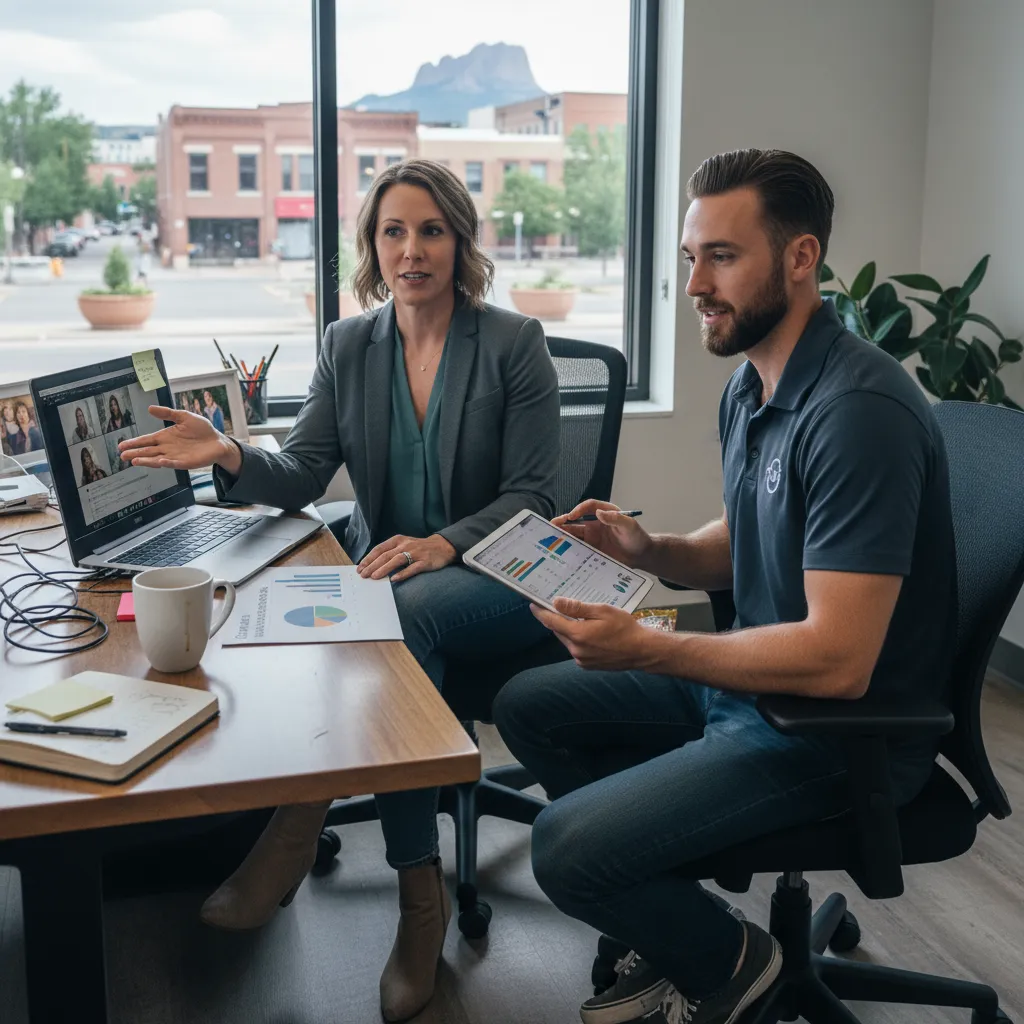
Understanding the Difference Between Defamation and Protected Opinion
Critical guidance for Mountain West businesses on what competitive statements are protected speech versus actionable defamation—including how to position against competitors without triggering libel claims, why "I think they do poor work" is protected opinion while "They don't license their contractors" is potentially actionable fact, when comparative advertising crosses the line from puffing to disparagement, and how to document competitive claims to support coverage if defamation allegations arise despite good-faith communication practices.
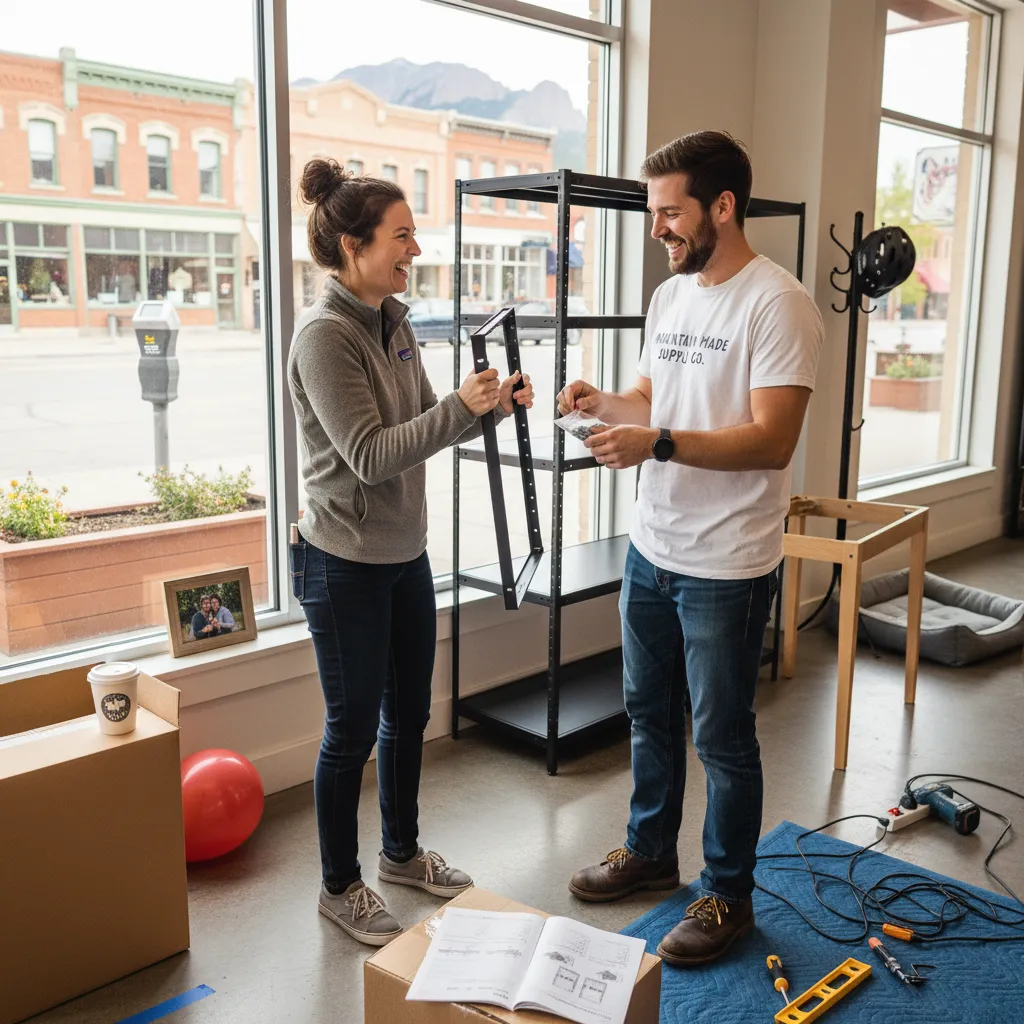
Copyright Compliance for Small Business Marketing
Practical strategies for avoiding copyright infringement claims when creating marketing content—covering how to properly license stock photos and music, why "I found it on Google" doesn't mean free to use commercially, when customer photos require written permission beyond verbal okay, which Creative Commons licenses actually permit commercial use, and how to implement content management procedures that prevent the sixty-five thousand dollar copyright infringement surprise that devastates small business budgets.
COVERAGE FOR EVERY BUSINESS STAGE
Startup Business
Just launching your business with basic marketing and minimal competitive positioning? Your priority is fundamental Coverage B protection that covers the most common personal and advertising injury risks—copyright infringement from marketing materials, basic defamation exposure from competitive communication, and privacy invasion from customer content—without paying for coverage levels you don't yet need. We structure affordable personal and advertising injury coverage focused on essential protections every new business requires, with standard one million dollar limits appropriate for conservative marketing activities and room to expand as your advertising becomes more aggressive and your competitive positioning intensifies.
Growing Marketing Presence
Expanding your advertising activities and competitive positioning? You're likely increasing social media presence, making more direct competitive claims about competitors, producing more marketing content that incorporates images and music, and publishing customer testimonials and photos—dramatically changing your personal and advertising injury exposure from basic startup risks to substantial communication liability. We expand Coverage B to protect your growing marketing activities—potentially increasing limits beyond standard one million dollars if your advertising spend and competitive intensity warrant higher protection, ensuring your coverage addresses the specific risks created by social media management and content production, and reviewing whether your expanding activities require specialized coverage beyond CGL as you approach media/content business territory.
Established Marketing Operations
Running mature operations with substantial advertising activity and competitive market positioning? You've built consistent marketing programs across multiple channels, your competitive communication has intensified as you defend market share, you may manage marketing for clients or operate substantial online presence, and you're generating significant content volume that creates ongoing exposure—requiring sophisticated Coverage B protection that matches your mature business's communication activities and competitive environment. We structure appropriate protection for established businesses—reviewing whether standard CGL Coverage B limits remain adequate or whether increased limits better serve your exposure profile, identifying when your business has shifted toward content creation requiring specialized media liability coverage, and ensuring your independent broker relationship means we're proactively managing your coverage as your marketing activities evolve rather than waiting for gaps to emerge at claim time.
Content-Focused Business Transition
Shifted toward media, publishing, advertising, or content creation as a core business function? If your business now primarily creates content for clients, manages social media accounts professionally, produces advertising materials as a service, or operates as a marketing agency—your standard CGL Coverage B likely excludes your core business activities entirely, requiring transition to specialized media liability insurance (publisher's E&O) that provides comprehensive protection for content creation businesses that general liability policies explicitly exclude through media/advertising business exclusions. We help you transition from inadequate CGL Coverage B to appropriate specialized coverage—coordinating media liability insurance that actually covers your content creation operations, ensuring you maintain necessary CGL coverage for non-media business risks, structuring appropriate limits for your professional content creation exposure (typically higher than standard CGL limits), and managing this coverage evolution as your business transforms from traditional operations to content-focused services requiring different insurance entirely.
FAQs
General liability insurance primarily protects your business from claims of third-party bodily injury, property damage, and advertising injury. For example, if a customer slips and falls in your Colorado store, or if you accidentally damage a client's property, this policy helps cover medical expenses, repair costs, and legal defense fees.
If an incident occurs, the first step is to report it to us as soon as possible. We'll help you gather all necessary information about the event, like date, time, involved parties, and any witnesses. Then, the insurance company will investigate the claim, and if covered, we'll work to resolve it, either through direct payment or legal defense. Our JWR team is here to guide you through every step.
The cost of general liability insurance varies widely depending on your business type, industry risk, location (like operating near the oil fields in Wyoming), and your chosen coverage limits. A small consulting firm will pay less than a construction company. The best way to get an accurate price is to chat with us for a personalized quote tailored to your specific business needs.
General liability insurance has specific exclusions. It typically does not cover professional errors or omissions (you'd need professional liability), injuries to your employees (that's workers' compensation), or damages due to vehicle accidents (commercial auto insurance). Intentional acts, punitive damages, and property damage to your own business's property are also generally excluded.
Even if you operate a home-based business or a small startup in Wyoming or Colorado, general liability insurance is crucial. Unexpected accidents can lead to costly lawsuits that could devastate your business financially. It provides peace of mind and often is required by clients, landlords, or for obtaining business licenses.
General liability is foundational, covering broad third-party risks like bodily injury and property damage. A Business Owner's Policy (BOP) combines general liability with commercial property insurance, making it a cost-effective package for many small businesses. Professional Liability (also called Errors & Omissions) is separate and covers claims arising from mistakes, negligence, or failure to perform professional services. We can help you determine the best fit for your business.