
PERSONAL PROPERTY COVERAGE THAT PROTECTS EVERYTHING YOU OWN
When your apartment floods from a burst pipe, burns in a fire, or gets burglarized, your landlord's insurance covers exactly none of your belongings—not your furniture, electronics, clothing, or anything else you've accumulated over the years. As an independent brokerage serving Wyoming, Colorado, Utah, and Montana, we compare 20+ carriers to find renters insurance with personal property coverage that actually protects YOUR specific possessions—from basic coverage for young professionals just starting out to comprehensive protection for established renters with valuable belongings. We're local experts who answer the phone, explain coverage in plain English, and make sure you're not underinsured when fire, theft, or water damage destroys everything you own.
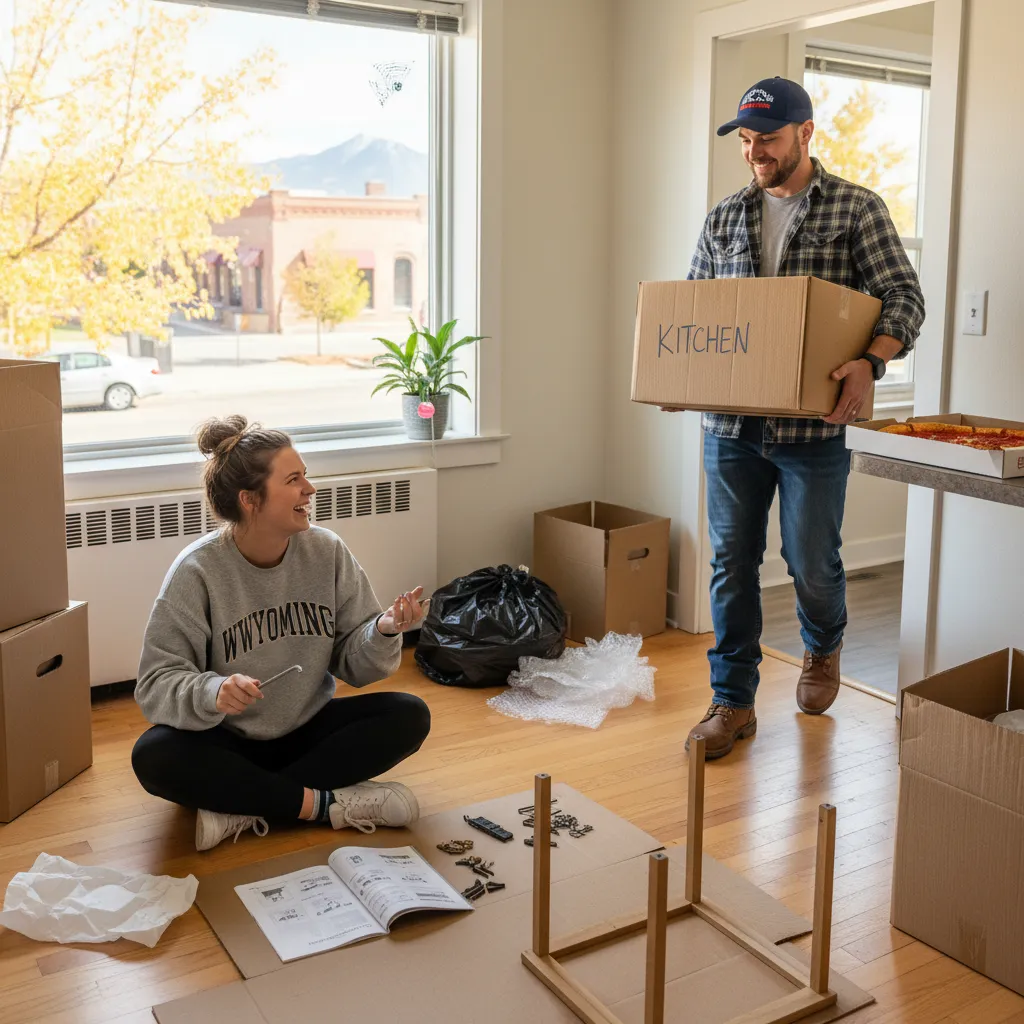
COMPREHENSIVE PERSONAL PROPERTY PROTECTION
Coverage solutions that protect everything from furniture to electronics to clothing—tailored to your belongings

UNDERSTANDING WHAT YOU ACTUALLY OWN
Most renters dramatically underestimate the total value of their belongings until they actually inventory everything—when you add up all your furniture, every piece of electronics you've bought over the years, your entire wardrobe, kitchen items, sports equipment, and miscellaneous household goods, the total typically reaches $15,000 to $50,000 or more depending on your lifestyle and how long you've been accumulating possessions. A couch that cost $1,200, a television you paid $800 for, a laptop worth $1,500, a bedroom set that was $2,000, winter coats and clothing totaling thousands, kitchen appliances and cookware, sports gear, decorative items—these everyday possessions add up faster than most people realize, and losing them all in a fire or burglary without insurance means starting from scratch at your own expense. We help renters in Wyoming, Colorado, Utah, and Montana accurately assess what they own by walking through room-by-room inventories, calculating realistic replacement costs for Mountain West markets where building materials and goods may cost more than national averages, and selecting coverage limits that actually match the value of your possessions—not the generic $20,000 limit that sounds adequate until you realize your belongings are worth $40,000. Our approach includes helping you document your possessions with photos and receipts before losses occur, understanding which high-value items like jewelry or electronics may need additional scheduled coverage beyond standard policy limits, and ensuring your coverage keeps pace as you accumulate more valuable belongings over time—protecting everything you've worked to acquire.
REPLACEMENT COST VS. DEPRECIATED VALUE
The single most important decision you make when buying renters insurance is whether to select replacement cost coverage or accept actual cash value coverage, because this choice determines whether you receive enough money to actually replace your stolen or destroyed belongings or whether you're left paying thousands out of pocket to make up the difference between depreciated value and replacement cost. Actual cash value coverage—the cheaper option—reimburses you for what your belongings were worth at the time of loss after subtracting depreciation for age and wear, meaning that television you bought three years ago for $750 might only be valued at $300 after depreciation, leaving you to pay the other $450 to replace it, and when an entire apartment full of furniture, electronics, and belongings is destroyed, that depreciation gap can easily reach $10,000 to $20,000 that comes out of your pocket. Replacement cost coverage costs 10-20% more in premium but reimburses you for what it actually costs to buy new replacement items at current prices without any depreciation deduction—meaning after a total loss fire, you receive enough money to walk into stores and replace everything you lost rather than receiving checks that cover only a fraction of replacement costs. We structure personal property coverage by analyzing whether you can realistically afford to cover depreciation gaps out of pocket after a major loss (most renters cannot), explaining exactly how depreciation calculations would apply to your specific belongings (newer furniture depreciates less than older items, but electronics depreciate rapidly regardless of age), and typically recommending replacement cost coverage for anyone with more than minimal possessions or anyone who would struggle financially to replace belongings at personal expense—because paying a few extra dollars monthly is far better than discovering after a fire that your $30,000 in replacement costs only generated $18,000 in insurance reimbursement.
Local expertise matters
Independent agency committed to providing transparent, straightforward insurance solutions for Wyoming and Northern Colorado residents.
REAL PERSONAL PROPERTY RISKS, REAL SOLUTIONS
Personal property coverage that stands between you and financial devastation when loss occurs
When Your Apartment Burns
It's 2 AM in a Casper apartment complex, a fire starts in a neighboring unit from a forgotten candle, and within thirty minutes the entire building is engulfed—with you evacuating in pajamas carrying nothing but your phone and keys, watching everything you own burn while firefighters battle the blaze. Fire is the most catastrophic loss renters face, destroying not just individual items but literally everything you own simultaneously—every piece of furniture, every electronic device, your entire wardrobe, all kitchen items, every book and decoration, family photos, important documents, and items of sentimental value that can never be replaced—with total losses easily reaching $30,000 to $60,000 or more depending on how much you've accumulated. Many renters discover too late that they either have no renters insurance at all (mistakenly believing their landlord's building insurance covers their belongings, which it absolutely does not), or they selected inadequate coverage limits like $10,000 that seemed sufficient until a total loss revealed they actually owned $40,000 worth of property. We structure personal property coverage by helping you realistically inventory everything you own before disaster strikes—walking through your apartment room by room, calculating replacement costs for furniture sets that cost thousands, adding up electronics purchased over years, estimating your wardrobe value (most people own $5,000-$10,000 in clothing alone), and selecting coverage limits with room to grow as you accumulate more possessions—ensuring that if fire destroys everything, you have enough insurance to actually start over without depleting savings or going into debt to replace basic necessities like beds, dishes, and work clothing.
When Burglars Target Your Apartment
You return to your Fort Collins apartment after a weekend away and discover your door kicked in, your apartment ransacked, and thousands of dollars worth of electronics, jewelry, and other valuables stolen—including your laptop with years of work files, your television and gaming system, your bicycle, jewelry including your grandmother's ring, and cash you had stored in a drawer for emergencies. Theft is the second most common renters insurance claim, and burglars specifically target items that are valuable, portable, and easy to sell—electronics like laptops, tablets, and gaming systems can disappear in seconds and represent thousands in losses, jewelry and watches are prime targets that often exceed standard policy sub-limits of $1,500, bicycles are frequently stolen both from apartments and from bike racks outside (and a quality mountain bike in Colorado can cost $2,000-$5,000), and cameras and photography equipment are high-value targets. Many renters don't realize that personal property coverage includes sub-limits for specific categories—jewelry is typically capped at $1,500 total regardless of your overall coverage limit, meaning if you have a $3,000 engagement ring and $2,000 in other jewelry stolen, you only receive $1,500 total unless you've purchased additional scheduled property coverage, and cash is usually limited to just $200-$250 regardless of how much was actually stolen. We structure theft protection by reviewing which valuable items you own that might exceed sub-limits (engagement rings, expensive watches, camera gear, musical instruments, collectibles), recommending scheduled personal property coverage to separately insure these high-value items at their full value with no deductible and broader coverage that includes mysterious disappearance (not just theft), and ensuring your base coverage limit is adequate for all your other possessions—protecting you from both the common theft of everyday electronics and the devastating loss of irreplaceable valuable items.
When Water Damage Destroys Your Belongings
A pipe bursts in the apartment above yours in a Wyoming winter cold snap, and water pours through your ceiling for hours before anyone notices—soaking your furniture, ruining electronics that got wet, destroying clothing and bedding, damaging books and documents, and leaving your entire apartment uninhabitable while repairs are made. Water damage from burst pipes, overflowing washing machines, leaking water heaters, or plumbing failures in neighboring units represents a significant and often underestimated risk to renters' personal property, causing damage that ranges from partial losses affecting specific rooms to total losses when water intrusion is severe and affects entire apartments. The challenge with water damage is that it often creates both immediate destruction (electronics that stop working when wet, furniture that warps and becomes unusable) and delayed damage from mold that develops in the days and weeks after water intrusion if items aren't properly dried—meaning that even items that initially seem salvageable may need to be discarded if mold contamination occurs. Standard renters policies cover sudden and accidental water damage from internal sources like burst pipes and appliance failures but specifically exclude flooding from external sources (heavy rain, overflowing rivers), creating a critical coverage distinction that renters must understand—if water comes from inside the building or from building systems, you're typically covered, but if water comes from outside the building and enters through doors, windows, or foundation, that's considered flooding and requires separate flood insurance. We structure water damage protection by ensuring your personal property coverage includes adequate limits for the types of belongings most vulnerable to water damage (expensive electronics, furniture in ground-floor or basement apartments where water accumulates, important documents and books), explaining the flood exclusion clearly so you understand whether separate flood insurance is necessary based on your location's flood risk, and connecting you with temporary housing coverage (additional living expenses) that pays for hotels and meals while your apartment is being repaired after water damage—protecting both your belongings and your living situation when pipes burst or water heaters fail.
When Filing Claims Gets Complicated
Your apartment is burglarized with $8,000 worth of electronics and belongings stolen, you file a police report and contact your insurance company, but then the claims adjuster starts questioning whether you actually owned all the items you're claiming, asks for receipts you don't have for purchases made years ago, disputes the value you've assigned to stolen items, and offers a settlement that's thousands less than what you need to actually replace what was stolen. Filing personal property claims without documentation creates significant challenges because insurance companies require proof that you owned items and evidence of their value before approving full reimbursement, yet most renters have never photographed their belongings, don't keep receipts for purchases made months or years ago, can't remember serial numbers of stolen electronics, and struggle to create accurate inventories from memory after the stress of a theft or fire. The claims process becomes adversarial when renters can't document losses adequately—adjusters assume lower values for items without receipts, question whether items actually existed if there's no proof of ownership, and interpret policy language in ways that minimize payouts rather than maximizing legitimate coverage. Without an independent agent advocating for you, you're alone in navigating this process—trying to reconstruct what you owned from memory, arguing with adjusters who are trained to be skeptical of claims, and potentially accepting settlements that leave you thousands of dollars short of what you need to actually replace your belongings. We help renters avoid these problems before losses occur by recommending home inventory apps or simple room-by-room photo documentation that creates evidence of what you own before it's stolen or destroyed, advising you to keep receipts for purchases over $100 in cloud storage so they're accessible after losses, and recording serial numbers of electronics and valuable items so they can be verified if questioned. When claims do occur, we guide you through the documentation process—explaining exactly what the insurance company needs to see, helping you gather supporting evidence, communicating with adjusters using industry language they can't easily dismiss, and intervening when adjusters are being unreasonably skeptical or offering inadequate settlements—ensuring you receive fair reimbursement that actually allows you to replace what was lost, not just a check that covers a fraction of your losses.
PERSONAL PROPERTY INSURANCE INSIGHTS THAT MATTER
Practical knowledge to guide your renters insurance decisions and protect your belongings

Creating a Home Inventory Before You Need It
Step-by-step guidance for documenting everything you own using simple room-by-room photography, free inventory apps, and cloud storage—including what information to record for high-value items, how often to update your inventory as you acquire new possessions, and why this 2-hour investment can save you thousands in claim disputes when you need to prove what you owned after a total loss fire or burglary.

When to Schedule High-Value Items on Your Policy
Understanding which belongings exceed standard policy sub-limits and need additional scheduled property coverage—including how to evaluate whether your engagement ring, camera equipment, bicycle, musical instruments, or collectibles need separate coverage, what documentation insurance companies require to schedule items, and why the modest additional premium (often $50-$150 annually per item) provides broader coverage including mysterious loss and zero deductibles that standard policies don't offer.
COVERAGE FOR EVERY RENTER'S JOURNEY
First Apartment Renter
Just moved into your first apartment with hand-me-down furniture, basic electronics, and minimal belongings? Your priority is affordable basic protection that covers the essentials—fire and theft coverage for the few thousand dollars worth of property you currently own—without paying for coverage limits you don't yet need. We structure entry-level personal property coverage starting at $10,000-$15,000 limits that protect what you actually own now, with the understanding that we'll increase limits as you acquire more possessions over time—giving you essential protection that fits a tight budget while you're starting out.
Established Renter Building Career
Several years into your career with a furnished apartment full of possessions you've purchased? You've accumulated significantly more than you realize—quality furniture you've invested in, multiple electronics including laptop and television and gaming systems, an entire wardrobe for work and life, kitchen fully stocked with appliances and cookware, and hobby gear like bikes or cameras—bringing your total property value to $25,000-$50,000. We expand personal property coverage to match your actual accumulated possessions, add scheduled coverage for any high-value items like engagement rings or expensive cameras that exceed sub-limits, and recommend replacement cost coverage so you can actually afford to replace everything if loss occurs—protecting the lifestyle you've built.
Long-Term Renter with Valuables
Renting by choice with valuable possessions including jewelry, art, collectibles, or expensive electronics for work? You've likely accumulated $40,000-$75,000+ in personal property including items that far exceed standard policy sub-limits—engagement and wedding rings, valuable watches, camera equipment if you're a photographer, musical instruments, bicycle collection, or home office equipment if you work remotely. We structure comprehensive protection with higher base limits ($50,000+), scheduled property coverage for all high-value items at their full appraised value, and potentially all-risk coverage rather than standard named perils—ensuring everything you've accumulated over years of renting is fully protected regardless of how loss occurs.
Renter Preparing for Homeownership
Saving for a down payment while renting with plans to buy in the next year or two? You're in a transition phase where your personal property coverage needs to remain adequate during your final rental period, but you're also planning ahead for the significant insurance changes that come with homeownership. We maintain appropriate renters coverage through your final lease period ensuring you're not underinsured during this transition, help you understand how homeowners insurance differs from renters insurance so you're prepared for the change, and ensure seamless transition to homeowners coverage when you close on your first home—protecting your belongings throughout your renting journey and positioning you for smooth transition to homeowner status.
FAQs
Yes. Renters insurance approval is not heavily dependent on credit score like other products. Insurance companies focus more on claims history and risk profile. Even with a challenging background, you can typically get approved. Rates may vary, but availability is usually not an issue. Contact us to discuss your specific situation—we work with multiple carriers and can find options for you.
Renters insurance covers: (1) Personal property—your belongings like furniture, electronics, and clothing if damaged or stolen; (2) Personal liability—if you accidentally injure someone or damage their property; (3) Loss of use—temporary housing if your rental becomes uninhabitable. It does NOT cover the building structure (that's your landlord's responsibility).
Renters insurance typically costs $12-$25 per month ($144-$300 annually) depending on coverage limits, location, and deductible. Wyoming and Colorado rates are generally affordable due to moderate risk profiles. Most families save money by bundling with auto insurance. Get a personalized quote to see your exact rate.
Yes, strongly recommended. Landlord insurance covers the building, not your belongings. If there's a fire, theft, or water damage, your landlord's insurance won't replace your stuff. Plus, if a guest is injured in your apartment and sues, personal liability coverage protects you from paying thousands out of pocket. It's affordable protection for your most valuable assets.
Actual Cash Value (ACV): You're paid the depreciated value of your items. A 3-year-old couch worth $1,000 new might be valued at $400 after depreciation. Replacement Cost (RC): You're paid what it costs to buy a new couch today ($1,000+). RC costs more but gives you full replacement coverage. We recommend RC if your budget allows—it protects you fairly when you need to replace items.
Yes, if the damage comes from a sudden, accidental pipe burst inside your unit. Renters insurance covers sudden water damage from internal plumbing failures. However, it does NOT cover flood (water from outside, storms, or rising water). For flood protection, you need a separate flood insurance policy. Check your specific policy wording or ask your agent.