
ROADSIDE ASSISTANCE THAT PROTECTS YOUR CLASSIC CAR
Classic cars break down differently than daily drivers—vapor lock on hot Wyoming summer days, carburetor issues at altitude, electrical gremlins miles from specialized help, and towing risks that can damage irreplaceable chrome and undercarriages if handled by standard tow operators. As an independent brokerage serving Wyoming, Colorado, Utah, and Montana, we compare 20+ carriers to find roadside assistance specifically designed for classic vehicles—including flatbed-only towing, transport to specialty shops (not just nearest facilities), and coverage limits appropriate for high-value collector cars that standard roadside programs exclude or damage. We're locals who understand classic car ownership, and we make sure your pride and joy gets the specialized care it deserves when breakdowns happen far from your garage.
COMPREHENSIVE CLASSIC CAR ROADSIDE PROTECTION
Specialized assistance that protects your collector car's value and integrity
UNDERSTANDING CLASSIC CAR BREAKDOWN RISKS
Classic cars face breakdown scenarios that modern vehicles simply don't experience—carburetor flooding and vapor lock during Wyoming's temperature swings from 40°F mornings to 95°F afternoons, points and condenser ignition failures that leave you stranded without the computerized diagnostics that help modern cars, cooling system failures on mountain passes where altitude and grade stress aging radiators and water pumps, and fuel delivery problems from mechanical fuel pumps that fail without warning unlike modern electric pumps. These aren't theoretical risks—we've handled claims where classic car owners discovered their standard roadside assistance sent wheel-lift tow trucks that scraped undercarriages, refused service because the vehicle was "too old" or "not driveable," or towed beautiful restorations to generic repair shops that had no idea how to work on pre-1980s vehicles with carburetors, distributors, and mechanical systems. We structure classic car roadside assistance that specifically addresses vintage vehicle vulnerabilities—requiring flatbed-only transport to prevent any contact with suspension or undercarriage, allowing owner-directed towing to specialty restoration shops that understand your vehicle (not just "nearest facility"), and including coverage for breakdowns that standard policies exclude like vapor lock, carburetor issues, and points ignition failures that aren't considered "mechanical breakdowns" by programs designed for modern fuel-injected cars.
SPECIALIZED TOWING AND TRANSPORT
Standard roadside assistance programs use wheel-lift tow trucks that contact your vehicle's suspension and undercarriage during loading—acceptable for modern cars designed with towing points, but potentially catastrophic for classic cars with lowered suspensions, custom exhaust systems, original chrome bumpers that can't support lifting weight, or undercarriage components that haven't been touched in forty years and can break under towing stress. We structure classic car roadside coverage that mandates flatbed-only transport with no exceptions—your vehicle is loaded onto a flat platform without any contact to wheels, suspension, or undercarriage, exactly how enclosed transport carriers move high-value classics to shows and auctions. Beyond flatbed requirements, we address destination flexibility that standard programs don't provide; most basic roadside assistance tows "to nearest qualified repair facility" to control costs, but your 1967 Camaro or 1955 Thunderbird doesn't need the nearest Jiffy Lube—it needs the restoration shop sixty miles away where your mechanic understands carburetors, points ignition, and how to source parts for vintage American iron. Our classic car programs allow towing to your specified specialty shop within reasonable distance limits (typically 50-100 miles depending on carrier), to your home garage if you prefer to work on it yourself, or even to your preferred parts supplier if you need specific components. You also get coverage appropriate for high-value vehicles; standard roadside programs often cap towing reimbursement at $100-150, inadequate when flatbed transport for a classic car costs $200-400 depending on distance, so we structure limits of $500-1,000 per incident that reflect the actual cost of proper classic car transport.
Local expertise matters
Independent agency committed to providing transparent, straightforward insurance solutions for Wyoming and Northern Colorado residents.
REAL CLASSIC CAR RISKS, REAL SOLUTIONS
Roadside assistance that prevents vintage breakdowns from becoming restoration disasters
When Vapor Lock Strikes on Summer Roads
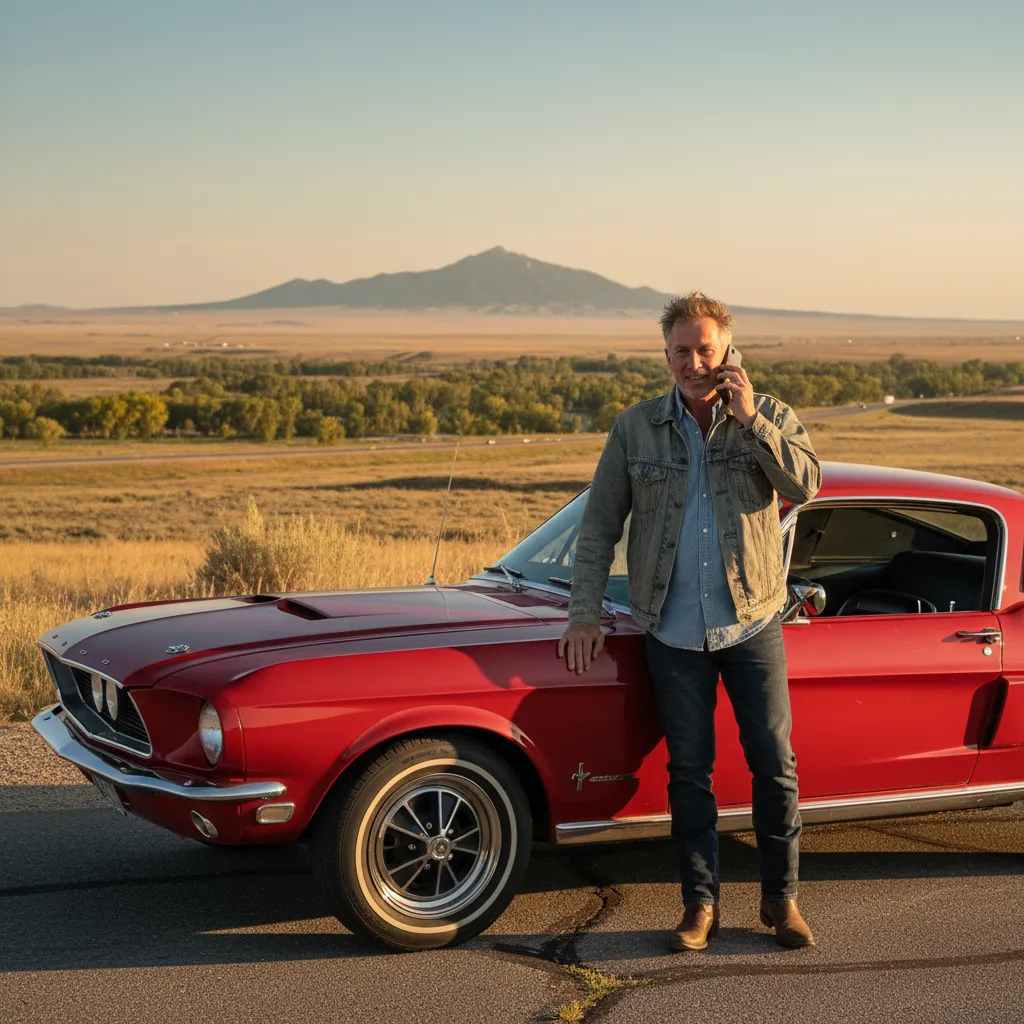
You're cruising your 1969 Mustang through Wyoming on a July afternoon when temperatures hit 95°F, you've been running at highway speeds for an hour, and suddenly the engine starts stumbling and dies—classic vapor lock where fuel boils in the lines and carburetor from engine heat, creating vapor bubbles that prevent fuel delivery and leave you stranded on the shoulder of a rural highway with no shade and limited cell service. Vapor lock is one of the most common classic car breakdowns during Mountain West summers where temperature swings are extreme and altitudes affect fuel boiling points, but it's also one of the most frustrating because the "fix" is often just letting the engine cool for 30-60 minutes—except you're sitting in 95°F heat on a highway shoulder where passing semi trucks rock your car and there's no safe way to wait it out. Standard roadside assistance programs often don't recognize vapor lock as a covered breakdown because nothing is mechanically "broken"—the vehicle will restart once cooled—so they refuse service or charge you full towing costs as a non-covered event, potentially $300-500 out of pocket for a tow you shouldn't need except for the safety issue of waiting hours on a highway. We structure classic car roadside coverage that specifically includes vapor lock and other temperature-related fuel delivery failures as covered breakdowns, providing flatbed transport to a safe location (your hotel, a shaded parking area, or a repair facility if you want a permanent vapor lock solution like fuel line insulation) rather than leaving you stranded because the problem "isn't mechanical." This coverage acknowledges the reality of carbureted classic car ownership in regions with extreme temperatures and prevents a common summertime inconvenience from becoming a dangerous or expensive situation.
When Cooling Systems Fail on Mountain Passes
You're climbing a Colorado mountain pass at 8,000 feet in your 1972 Chevelle, the combination of altitude (which reduces cooling efficiency), steep grade (which increases engine load and heat), and an aging radiator and water pump causes your temperature gauge to climb into the red, and you pull over just before the engine overheats catastrophically—facing either a dangerous descent back down the pass or an expensive tow to a facility that may or may not be able to work on a 50-year-old American V8. Cooling system failures represent one of the most serious classic car breakdown risks in Mountain West terrain where elevation changes are dramatic and mountain pass grades stress engines far beyond flat highway cruising, with potential consequences ranging from minor inconvenience (refilling coolant and limping to town) to catastrophic engine damage (warped heads or cracked blocks if overheating isn't caught immediately). Standard roadside assistance will tow your overheated classic to "the nearest facility," which might be a tire shop or quick lube 15 miles away that has no capability to work on vintage vehicles, no overnight parking for you to leave the car while parts are located, and no interest in taking on a complicated cooling system diagnosis—leaving you stranded in a tourist town during summer peak season when hotel rooms cost $300/night and you're facing days of delay while trying to coordinate repairs from a shop that doesn't want your business. We structure classic car roadside assistance allowing towing to specialist shops within 50-100 miles even if closer facilities exist, recognizing that your overheated classic needs a restoration shop with experience in vintage cooling systems, ability to source correct parts (not just slap on modern replacements), and indoor space to work on your vehicle properly—not the closest facility that happens to have a repair bay. Our coverage also includes trip interruption provisions that reimburse hotel, meal, and rental car costs when cooling system failures or other major breakdowns happen more than 100 miles from home, transforming a potential vacation disaster into a manageable delay where insurance covers your unexpected expenses while proper repairs are completed.
When You Upgrade to Show-Quality Restoration
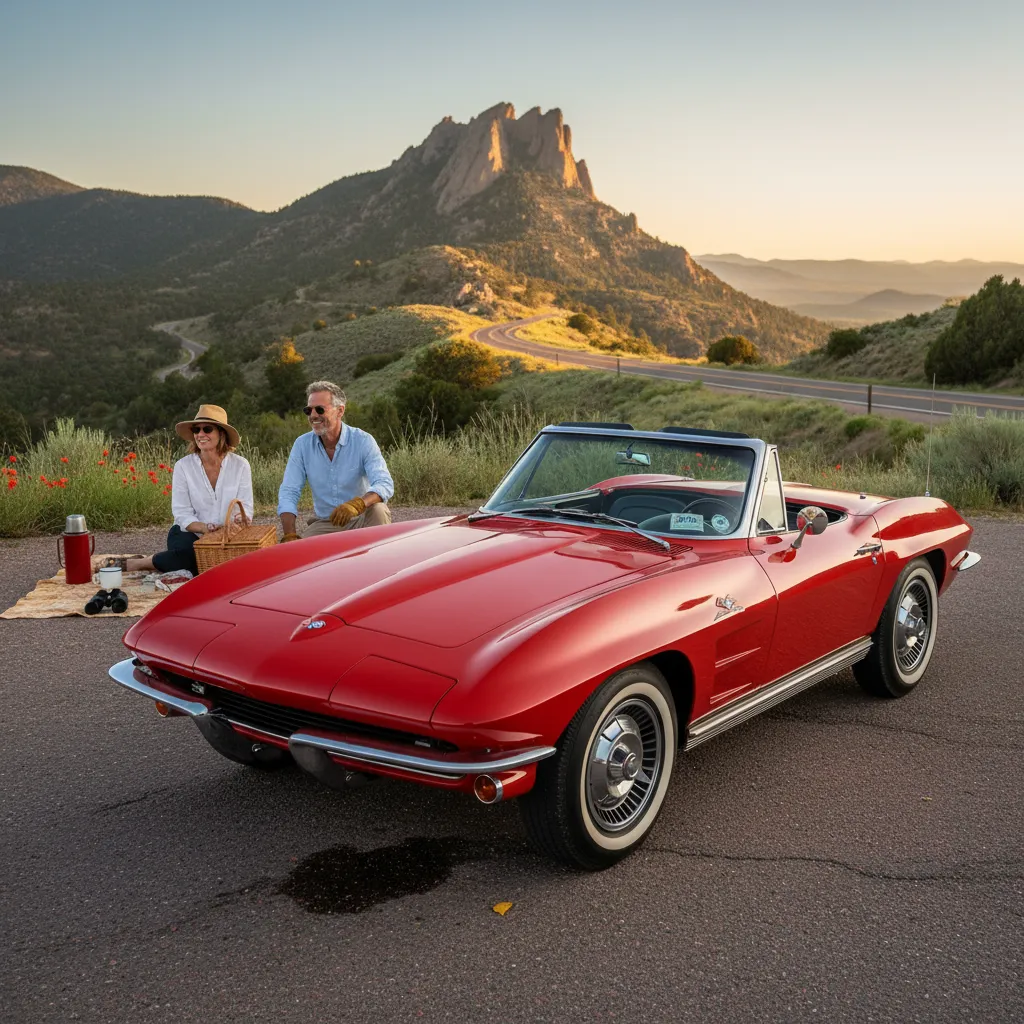
You bought your classic Corvette ten years ago as a nice driver-quality car covered by basic roadside assistance that caps towing at $150, but over the years you've invested $60,000 in a frame-off restoration including numbers-matching drivetrain rebuild, concours-quality paint, restored interior, and upgraded suspension—transforming your $25,000 driver into a $85,000 show car that deserves substantially different roadside protection than when it was just a weekend cruiser. As classic cars appreciate in value and owners invest in high-quality restorations, the roadside assistance coverage that was adequate for a driver-quality vehicle becomes dangerously insufficient for a show-quality restoration that requires enclosed transport, can't be handled by standard tow operators, needs climate-controlled storage if breakdowns occur far from home, and has transport costs of $500-1,000 or more when proper flatbed service is required. Your original basic roadside policy that made sense for a $25,000 car now leaves you exposed with a $150 towing limit that doesn't come close to covering proper transport for your $85,000 investment, no provisions for enclosed transport if weather threatens during a breakdown, no coverage for storage fees if the car breaks down during a multi-day tour and can't be immediately repaired, and no trip interruption coverage for the hotel and meal costs you'll incur if your show car breaks down 500 miles from home the night before a major event. We proactively review classic car roadside coverage as vehicles appreciate and restorations progress, typically recommending coverage upgrades when values exceed $50,000 or when show-quality restorations are completed—ensuring towing limits increase to $750-1,000 per incident, enclosed transport options are added for high-value vehicles that shouldn't be exposed to weather during flatbed transport, storage reimbursement covers secure indoor parking if repairs take multiple days in unfamiliar cities, and trip interruption limits are adequate for the extended hotel stays and rental car costs that show-car breakdowns can create. Your roadside coverage should evolve with your vehicle's value and your investment in its restoration, not remain static at levels appropriate for when you first insured a driver-quality classic.
When Breakdowns Require Expert Diagnosis
Your 1965 Ford Fairlane develops a mysterious running problem 90 miles from home—it starts fine but loses power under load and backfires on deceleration, symptoms that could indicate ignition timing issues, carburetor jetting problems, vacuum leaks, or valve train problems—and you're sitting in a parking lot trying to decide whether to attempt driving home (risking further damage or a complete breakdown in a worse location), call for a tow (expensive if it's something simple you could fix roadside), or spend an hour diagnosing a problem you're not certain you understand. Classic car breakdowns often present diagnostic challenges that modern OBD-II computer systems eliminate; when a modern car breaks down, tow operators and repair shops can plug in scan tools and immediately identify problems, but your classic car with points ignition, mechanical fuel delivery, and no computers requires experienced troubleshooting to distinguish between symptoms that need immediate professional help versus issues you can address roadside or limp home safely. Without expert guidance, classic car owners make expensive decisions under stress—authorizing $400 flatbed tows for problems that could have been resolved with a $15 part and ten minutes of roadside work, attempting to drive home with serious problems that cause additional damage requiring expensive repairs, or spending hours trying to diagnose issues they're not qualified to troubleshoot while daylight fades and their location becomes less safe. Premium classic car roadside assistance programs include phone access to vintage vehicle specialists who can help you troubleshoot problems remotely—you describe symptoms to someone who understands carbureted engines, points ignition, and mechanical fuel pumps, they guide you through diagnostic steps you can perform roadside, and together you determine whether the problem requires immediate professional towing or whether you can safely continue driving or make simple repairs. We coordinate classic car assistance that includes this expert consultation component—ensuring when your vintage Mopar or classic Chevy develops problems, you're not making expensive towing decisions alone but instead have access to specialists who understand your vehicle's systems and can guide you to appropriate solutions. This expertise prevents unnecessary towing expenses, reduces stress during breakdowns, and ensures serious mechanical problems get proper attention while minor issues don't trigger expensive service calls you don't actually need.
CLASSIC CAR ROADSIDE INSIGHTS THAT MATTER
Essential knowledge for protecting your collector vehicle during breakdowns

Preventing Common Classic Car Breakdowns Before Tours
Pre-trip maintenance and inspection strategies specifically for classic cars preparing for long-distance tours—covering cooling system preparation for mountain passes and summer heat, ignition system checks that prevent points and condenser failures, fuel system inspection to avoid vapor lock and carburetor flooding, and the emergency tools and spare parts every classic car should carry for roadside repairs that can prevent expensive towing calls.

Understanding Flatbed vs. Wheel-Lift Towing for Classics
Why flatbed-only transport is essential for collector vehicles and how wheel-lift towing damages classic cars—including suspension stress points on vintage vehicles, undercarriage component vulnerability during lifting, the risk to custom exhaust systems and lowered cars, and how to verify your roadside assistance specifically requires flatbed transport rather than allowing wheel-lift towing that saves carriers money but risks your restoration.
COVERAGE FOR EVERY CLASSIC CAR JOURNEY
Nice Driver Classic
Enjoying a driver-quality classic car for weekend cruises and local shows? Your priority is affordable basic roadside protection covering common breakdowns within reasonable distances of home—flatbed towing to your preferred shop, battery and fuel service, and assistance with the minor issues that strand vintage cars. We structure affordable driver-quality roadside coverage focused on essential protections every classic car needs, with room to expand as your vehicle appreciates or your touring ambitions grow.
Restoration in Progress
Actively restoring your classic with increasing investment in quality work? As you transform a driver into a higher-quality vehicle, your roadside assistance should evolve to match your growing investment—increasing towing limits as vehicle value climbs, adding specialty shop destination flexibility as your car requires more expert service, and ensuring coverage keeps pace with the money you're investing in paint, interior, drivetrain, and chrome work that makes your classic more valuable and more vulnerable.
Show-Quality Classic
Completed a high-quality restoration or acquired a show-car quality classic? You're now managing a significant investment requiring premium roadside protection—enclosed transport options for high-value vehicles, extended towing distance limits for specialty shops, trip interruption coverage for multi-day tour breakdowns, and storage reimbursement when repairs take time in unfamiliar cities. We structure comprehensive show-car roadside assistance protecting six-figure investments and ensuring breakdowns don't damage or devalue your concours-quality restoration.
Serious Collector
Managing multiple classic vehicles with varied values and uses? Your roadside needs span from basic coverage for drivers to premium protection for trailer queens, potentially including coverage for enclosed trailers hauling vehicles to shows, breakdown assistance for tow vehicles pulling classic car trailers, and coordinated policies managing risk across an entire collection. We structure efficient multi-vehicle classic car roadside coverage that protects your entire stable without redundancy or gaps—ensuring each vehicle has appropriate protection for its value and use.
FAQs
The cost of classic car insurance depends on several factors, including your vehicle's agreed value, how and where it's stored, and your annual mileage. Unlike standard auto insurance, classic policies often have lower premiums because these cars are typically driven less and maintained meticulously. To get a precise quote tailored to your cherished classic, give us a call!
Yes, absolutely! Your standard auto policy may not adequately cover the true value of your classic vehicle, especially if it's appreciating. Classic car insurance offers agreed value coverage, which ensures you're paid the car's current market value without depreciation in case of a covered loss. Don't let a standard policy undervalue your unique ride; get a specialized classic car quote today.
Classic car insurance typically excludes damage from everyday use, racing, or commercial purposes. It generally only covers the vehicle under specific conditions, like limited pleasure driving, exhibitions, and club events. Always review your policy for exact exclusions and discuss how you use your classic with your agent to ensure proper coverage.
Agreed Value coverage means you and the insurer agree on your car's value upfront, and you're guaranteed that amount if it’s totaled. Stated Value, however, means the insurer pays either the stated amount or the actual cash value (ACV) at the time of loss, whichever is less. For classics, especially those driven through Wyoming's changing weather, Agreed Value offers far greater peace of mind and protection, as it locks in your car's true worth, and we highly recommend it.
For classic car insurance, an appraisal determines your vehicle's "agreed value," which is the amount you’ll be paid if it's a total loss. You’ll usually need to submit photos, receipts for restorations, and sometimes a professional appraisal report. We're here to guide you through this process to ensure your classic, whether it's a vintage pickup from an oil field or a meticulously restored muscle car, is accurately valued and fully protected.
Classic car insurance offers specialized coverage designed for collector vehicles, including "agreed value" coverage, which guarantees you’ll receive the car’s full insured value in case of a total loss. It can also cover spare parts, roadside assistance specifically for classics in Wyoming, and even provide coverage if your car is at a show. This ensures your investment is protected far beyond a standard policy.