
FUEL DELIVERY THAT KEEPS YOU MOVING
When you run out of gas on a remote Wyoming highway, 40 miles from the nearest station, or stranded in Northern Colorado during a winter storm, you need fuel delivery that actually reaches you—not programs that only work on suburban streets near gas stations. As an independent brokerage serving Wyoming, Colorado, Utah, and Montana, we compare 20+ carriers to find roadside assistance with fuel delivery that works anywhere you drive—from interstate highways to mountain backroads to rural ranch roads where standard services won't dispatch. We're local drivers who've faced the same situations, and we make sure your roadside coverage includes fuel delivery that brings 2-3 gallons to your exact location within 30-60 minutes, getting you safely to the nearest refueling station without the stress, safety risks, or massive towing bills that come from being stranded without fuel.
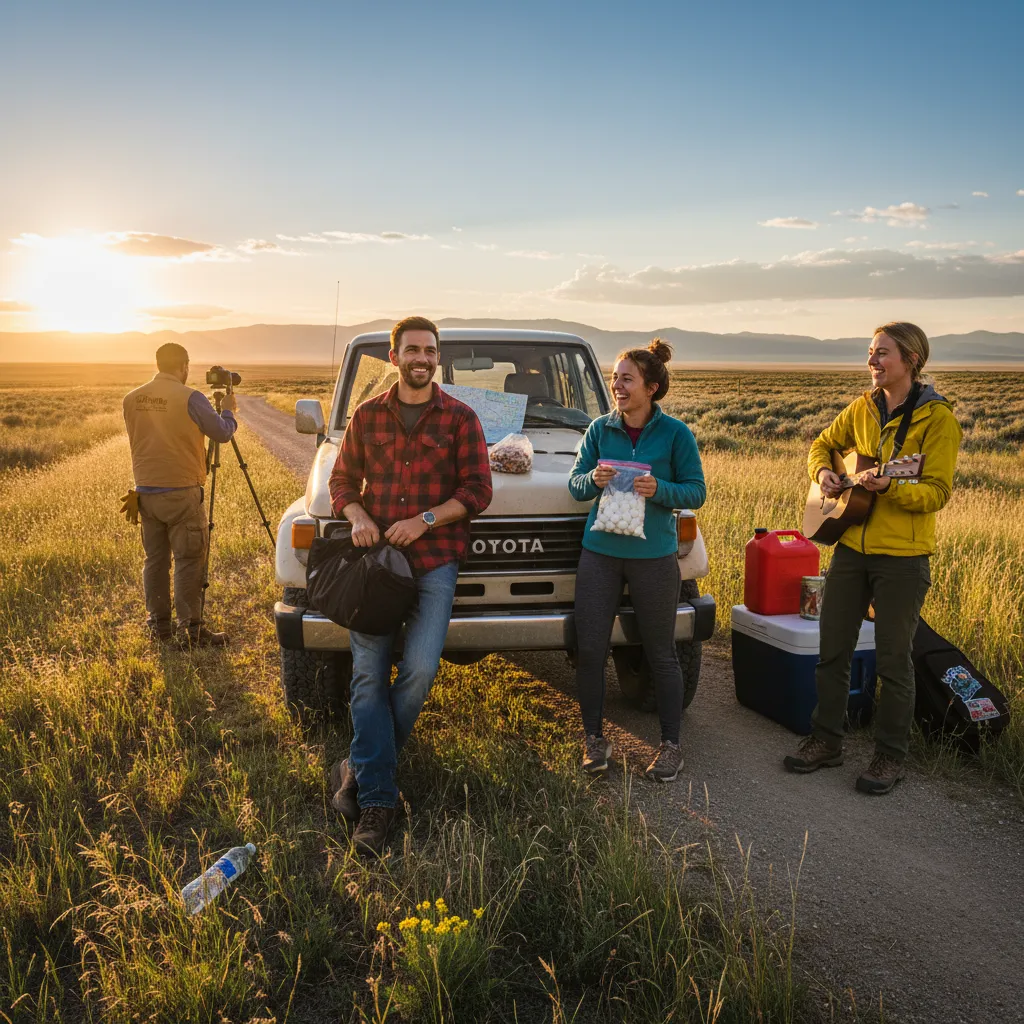
COMPREHENSIVE FUEL DELIVERY COVERAGE
Roadside assistance that brings fuel to you, wherever you're stranded

UNDERSTANDING MOUNTAIN WEST DRIVING RISKS
Mountain West drivers face fuel delivery challenges most roadside assistance programs don't anticipate—running out of gas on remote Wyoming highways where the next station is 60+ miles away, fuel emergencies during subzero winter conditions when walking for help could mean hypothermia or frostbite, breakdowns on Colorado mountain passes where leaving your vehicle unattended risks theft or weather damage, and rural situations where the nearest fuel station isn't just distant but may be closed after hours in small towns with limited services. These aren't hypothetical scenarios—we've handled hundreds of fuel delivery claims where drivers discovered their "comprehensive" roadside assistance wouldn't dispatch to their location because it was too remote, required GPS coordinates instead of street addresses their system couldn't process, or capped service distance at 25 miles from paved roads leaving backcountry travelers completely stranded. We structure fuel delivery coverage that specifically works for Mountain West driving patterns—including service that dispatches to remote locations using GPS coordinates when standard navigation fails, coverage that reaches rural areas and unpaved ranch roads not just interstate highways, 24/7 availability that works even when small-town gas stations are closed for the night, and partnerships with regional providers who actually know how to reach locations throughout Wyoming, Colorado, Utah, and Montana—not just metropolitan areas where most national programs focus their networks.
COVERAGE ADAPTED TO YOUR DRIVING
Generic roadside assistance programs treat all drivers the same, but someone commuting 15 miles daily on suburban Fort Collins streets needs completely different fuel delivery coverage than a rancher traveling 80 miles on rural Wyoming roads or an oil field worker driving remote industrial areas where standard services won't reach—and none of them should pay for coverage designed for someone else's driving patterns. We structure fuel delivery coverage by analyzing your specific driving profile: typical travel distances and routes (short urban commutes versus long rural distances), geographic areas you regularly drive (interstate highways with frequent services versus remote areas with 50+ mile gaps between stations), vehicle fuel efficiency and tank capacity (how far you can travel on a tank and how quickly you might run out if gauges fail), whether you drive in extreme weather conditions that increase fuel emergency risk (subzero Wyoming winters, Colorado mountain storms), and your backup support system (family nearby who could help versus truly alone if stranded). For example, we might recommend enhanced fuel delivery with extended service radius and GPS-based dispatch for someone regularly driving remote Wyoming oil field roads where running out of fuel could mean hours of exposure in dangerous conditions, basic fuel delivery for urban Colorado drivers who rarely leave metropolitan areas with dense gas station networks, or family-wide coverage for households where teenage drivers might misjudge fuel needs and end up stranded. The result is fuel delivery protection matched to YOUR actual driving patterns and risk exposure, not generic coverage that either leaves you exposed in the situations you actually face or makes you pay for service capability you'll never use.
Local expertise matters
Independent agency committed to providing transparent, straightforward insurance solutions for Wyoming and Northern Colorado residents.
REAL FUEL EMERGENCIES, REAL SOLUTIONS
Fuel delivery that turns dangerous situations into minor inconveniences
When You Misjudge Distance to Empty
You're driving Highway 287 through Wyoming heading to Casper, your fuel gauge hits "E" but the range indicator said you had 30 miles left, and suddenly your engine sputters and dies—leaving you stranded on a remote two-lane highway with the nearest gas station 25 miles ahead, temperatures dropping as evening approaches, and only one bar of cell signal that keeps cutting out. Running out of fuel on remote highways is one of the most common roadside emergencies in the Mountain West, happening when drivers misjudge distances between stations (what looks like "30 miles" on the map can be 45+ miles of actual driving with elevation changes), rely too heavily on inaccurate range estimates that don't account for headwinds or mountain driving, or simply miscalculate how far they can stretch a tank when trying to reach cheaper fuel prices in the next town. Many drivers don't realize their roadside assistance explicitly excludes fuel delivery on certain highway types, caps service distance from providers' service centers making rural highways unreachable, or requires street addresses their GPS coordinates can't match—leaving them either paying $150-250 for independent fuel delivery from distant providers or dangerously attempting to walk miles along highway shoulders to find help. We structure fuel delivery coverage that specifically addresses remote highway scenarios—including providers whose service networks reach rural Wyoming, Colorado, and Utah highways not just metropolitan areas, GPS coordinate-based dispatch that works when standard street address systems fail, service radius of 50-100 miles from provider locations covering the actual distances involved in Mountain West driving, and 24/7 availability ensuring help arrives even during evening or overnight emergencies when walking for help would be genuinely dangerous in subzero winter conditions or summer heat—turning what could be a dangerous multi-hour ordeal into a 45-minute inconvenience where fuel arrives, you're back on the road, and you reach the next station safely.
When Fuel Gauge Failure Strands You
Your fuel gauge has been acting erratic for a week showing random readings, you've been carefully tracking mileage to know when you actually need to refuel, but during a long drive through rural Utah the gauge suddenly drops to empty even though your calculations say you should have a quarter tank remaining—and now you don't know if you're genuinely running out of fuel or experiencing another gauge malfunction, forcing you to decide whether to risk continuing to the next station 40 miles ahead or stopping immediately to get help, all while stranded in an area with no cell service to research local towing options or call for advice. Fuel gauge malfunctions create uniquely stressful situations because you're making critical decisions with incomplete information—if the gauge is wrong and you have fuel remaining, calling for fuel delivery wastes money and time, but if the gauge is finally accurate and you ignore it, you'll run completely out of fuel in an even worse location potentially hours from any services. Stranded drivers without roadside assistance face expensive dilemmas: paying $200+ for emergency fuel delivery from independent providers who may take 2-3 hours to reach remote locations, attempting to continue driving and risking catastrophic fuel depletion in worse terrain, or waiting hours for tow trucks that transport your vehicle to distant repair facilities at $300-500 cost when you might just need fuel. We structure comprehensive fuel delivery coverage that addresses ambiguous situations—providers who can run basic diagnostics to confirm whether your vehicle actually ran out of fuel versus experiencing gauge/sensor failures, immediate fuel delivery (typically 2-3 gallons) that resolves the situation if it's genuinely fuel depletion, and seamless transition to towing or mechanical assistance if fuel delivery doesn't resolve the problem indicating electrical or mechanical failure—ensuring you're not abandoned mid-diagnosis trying to coordinate multiple service calls, and you get appropriate help whether your problem is simple fuel depletion or a more complex mechanical issue requiring different intervention.
When Your Driving Patterns Change
You've spent years commuting 12 miles daily in Fort Collins with gas stations every few miles, so basic roadside assistance seemed adequate for urban driving, but now you've accepted a position requiring regular travel to Wyoming work sites—suddenly driving 150+ miles on remote highways where fuel stations are 50-60 miles apart, winter weather can strand you for hours, and your comfortable urban driving patterns have shifted to genuinely remote rural travel where running out of fuel could mean exposure to dangerous conditions with limited backup options. Life and job changes alter your fuel emergency risk profile dramatically—a driver who never left metropolitan areas with dense gas station networks and frequent services now faces rural highways where the next fuel station is an hour away, a young professional who previously lived near family who could bring fuel in emergencies now lives alone in a new state without local support systems, a retiree who drove predictable local routes now takes long road trips through unfamiliar remote areas, or a parent who always drove fuel-efficient sedans now tows travel trailers or boats that dramatically reduce fuel economy and increase the risk of miscalculating distance to empty. Most drivers don't proactively update fuel delivery coverage when their driving patterns change, discovering only after being stranded that their basic urban-focused roadside assistance won't dispatch to their new rural work locations, their service radius doesn't extend to the remote highways they now regularly travel, or their coverage specifically excludes vehicles towing trailers leaving them unprotected during exactly the trips where fuel emergencies are most likely. We proactively review fuel delivery coverage whenever your life situation changes—when you accept jobs requiring rural travel, when you relocate to more remote areas, when you purchase vehicles with different fuel consumption patterns, when you add teenage drivers who might misjudge fuel needs, or when you begin towing trailers or boats that alter your vehicle's fuel economy—ensuring your coverage evolves to match your actual current driving patterns and risk exposure, not the outdated profile from when you first purchased basic coverage years ago for completely different driving circumstances.
When Service Coordination Matters Most
You ran out of fuel on a Wyoming highway, you called your roadside assistance provider who promised fuel delivery within an hour, but 90 minutes later nobody has arrived and when you call back the dispatcher says the service provider "couldn't locate you" and canceled the request—leaving you stranded with no clear plan, no confirmation that new service is dispatched, and growing anxiety about whether help is actually coming or if you need to start making alternative arrangements like calling family members hours away or paying for expensive independent towing. Fuel delivery coordination failures create uniquely frustrating situations because you're depending on a service you've paid for, you've followed all instructions (provided your location, stayed with your vehicle, maintained phone contact), yet the system is failing and you have no visibility into whether the problem is being resolved or if you're being abandoned to handle the emergency independently after the provider already wasted 90+ minutes of your time. Most drivers stuck in coordination failures don't realize they can demand their insurance agent intervene—escalating directly to service provider supervisors, confirming dispatch of alternative fuel delivery vendors when primary providers fail, arranging direct billing to prevent out-of-pocket expense during emergencies, and staying personally involved until fuel actually arrives and you're safely mobile again rather than leaving you to navigate confusing phone trees and unhelpful dispatch centers alone. We coordinate complex fuel delivery situations from the moment you notify us of problems—making direct calls to roadside assistance dispatch supervisors bypassing standard phone queues, using our industry relationships to escalate delayed services and get real-time status updates you can't access as an individual customer, arranging backup fuel delivery from alternative providers in our network when your primary service is failing, ensuring direct billing arrangements so you're not paying hundreds of dollars out of pocket and hoping for reimbursement, and staying personally reachable via phone or text throughout the entire incident until we confirm you're safely refueled and continuing your journey. You get an expert managing the emergency coordination and fighting for appropriate service delivery at no additional cost beyond your existing roadside assistance coverage—not abandonment to navigate service provider bureaucracy alone during one of the most stressful and potentially dangerous situations drivers face.
FUEL DELIVERY KNOWLEDGE THAT PROTECTS YOU
Practical guidance for preventing and managing fuel emergencies

Preventing Fuel Emergencies on Long Remote Drives
Strategic fuel management techniques for Mountain West driving patterns—including calculating safe refueling intervals accounting for elevation changes and headwinds that reduce fuel economy, understanding when to refuel before the "quarter tank" rule (refill at half-tank on remote routes where stations are 60+ miles apart), identifying reliable fuel stops on major routes through Wyoming and rural Colorado where services are limited, and backup planning including carrying approved emergency fuel containers for situations where you miscalculate distance to empty in genuinely remote areas.

What Your Roadside Assistance Actually Covers
Understanding fuel delivery coverage limits before you're stranded—including why most policies deliver only 2-3 gallons (enough to reach the next station, not a full tank), how service radius restrictions affect rural coverage (many programs cap service at 25-50 miles from provider locations leaving remote highways uncovered), what fuel costs are included versus customer-paid, when GPS coordinate dispatch is available versus requiring street addresses, and which situations (commercial vehicles, off-road locations, repeated claims) may be excluded from standard fuel delivery benefits.
COVERAGE FOR EVERY DRIVING STAGE
New Driver
Just got your license or driving independently for the first time? You're learning to judge fuel consumption, understand your vehicle's actual range, and develop the habit of refueling before running critically low. We structure basic fuel delivery coverage that provides essential emergency support while you're building experience—affordable protection that rescues you from early fuel management mistakes without encouraging careless habits, giving you the safety net you need while learning responsible fuel monitoring and trip planning skills.
Regular Commuter
Driving predictable routes for work or daily activities? You've developed consistent fueling patterns, know where stations are located along your regular routes, but occasional detours, unexpected traffic, or miscalculations can still leave you stranded. We structure comprehensive fuel delivery coverage that protects your regular driving patterns—including service that reaches your typical routes whether urban Colorado corridors or rural Wyoming highways, 24/7 availability for evening commutes or early morning travel, and coverage that works anywhere life takes you beyond your usual routes—ensuring fuel emergencies don't derail your work schedule or family obligations.
Frequent Rural Traveler
Regularly driving remote routes for work, recreation, or property management? You're covering long distances on highways with limited services, traveling through areas where fuel stations are 50-80 miles apart, and facing conditions where fuel emergencies could mean hours of exposure in dangerous weather. We structure enhanced fuel delivery coverage for serious rural driving—including extended service radius reaching genuinely remote locations not just metropolitan areas, GPS-based dispatch for locations without street addresses, providers experienced in Mountain West rural service, and coordination support when standard dispatch procedures fail—protecting you during the remote travel where fuel emergencies are most dangerous and most difficult to resolve independently.
Retired Road Tripper
Enjoying retirement with long road trips through unfamiliar territory? You're exploring new routes where you don't know fuel station locations, driving through remote areas for scenic experiences, and potentially facing fuel emergencies in locations far from home without local knowledge or support systems. We structure comprehensive fuel delivery coverage for adventurous retirees—including nationwide coverage that works across all the states you explore, 24/7 availability during long-distance travel, and enhanced service limits appropriate for extended trips where standard local coverage would leave you exposed—ensuring your retirement adventures aren't derailed by fuel emergencies in unfamiliar territory far from home.
FAQs
Roadside assistance is usually an affordable add-on, often costing less than $5-10 per month. This can save you hundreds on unexpected towing or repair calls, especially driving through rural Wyoming or Colorado.
Basic plans cover essential services with mileage limits for towing. Premium plans often include extended towing distances, winching service, trip interruption benefits, and sometimes even rental car reimbursement, offering broader protection for longer trips across the Rockies.
Response times can vary based on location and time of day, but providers aim for 30-60 minutes in populated areas. In more remote parts of Wyoming or Colorado, it might take a bit longer, but help is dispatched immediately.