
HIRED/NON-OWNED AUTO COVERAGE THAT PROTECTS YOUR BUSINESS
Mountain West businesses face serious liability exposure when employees drive personal vehicles for work errands or you rent trucks for temporary needs—and personal auto policies explicitly deny coverage for business use, leaving you exposed to lawsuits that could threaten everything you've built. As an independent brokerage serving Wyoming, Colorado, Utah, and Montana, we compare 20+ carriers to add Hired and Non-Owned Auto coverage to your Business Owner's Policy—protecting you from the devastating liability claims that arise when employee-driven vehicles cause accidents during work activities. We're local business advocates who understand oil field operations, construction work, delivery services, and the real operational patterns that create vehicle liability exposure across Mountain West industries.
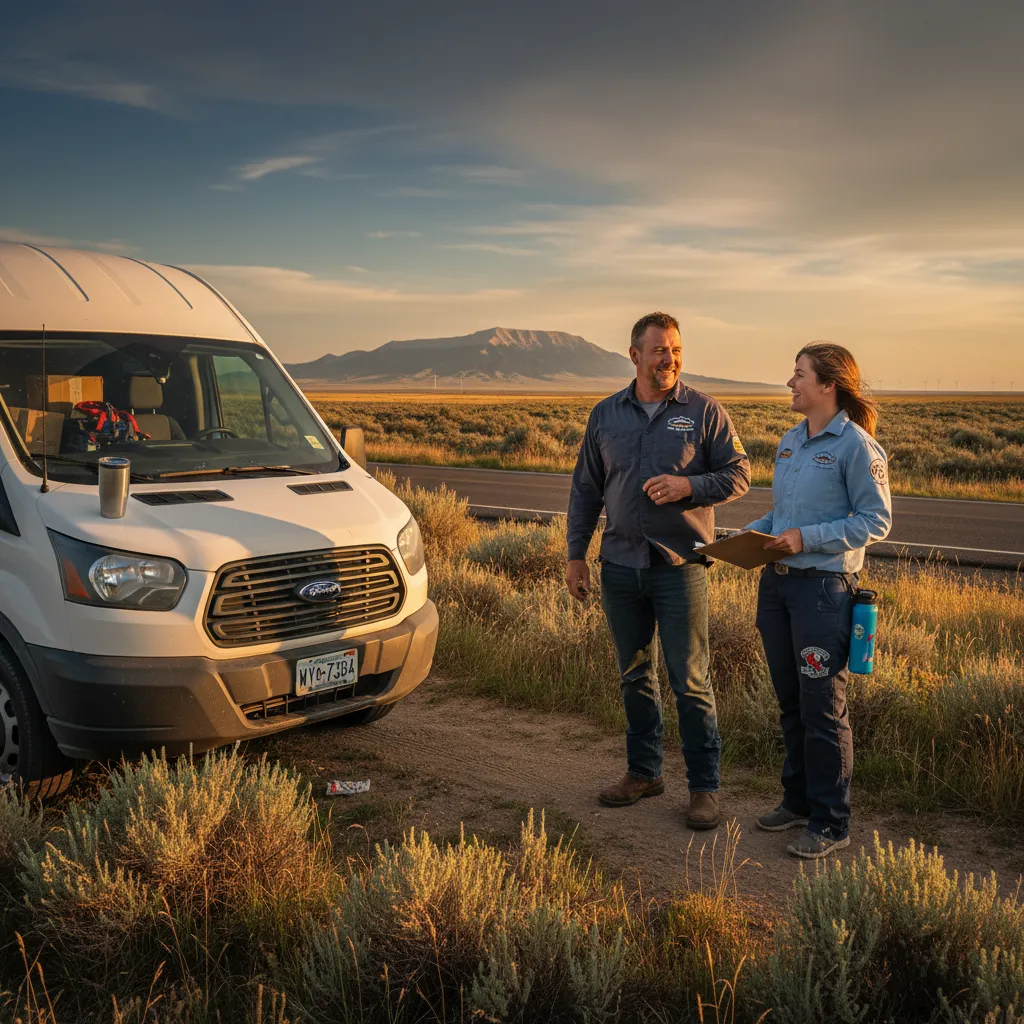
COMPREHENSIVE HIRED AND NON-OWNED AUTO PROTECTION
Liability coverage that stands between you and catastrophic lawsuits when vehicles you don't own are operated for your business

UNDERSTANDING YOUR VEHICLE LIABILITY EXPOSURE
Mountain West businesses operate in environments where employee personal vehicle use is common and often necessary—from administrative staff running bank deposits in Casper to sales reps visiting clients across Wyoming's vast distances, from delivery drivers using personal vehicles in Fort Collins to service technicians driving personal trucks to job sites in remote Utah locations. The critical exposure most business owners don't understand until it's too late: when your employee operates a personal vehicle to accomplish any business task—even something as simple as picking up office supplies or depositing checks—that employee's personal auto insurance policy explicitly excludes coverage because it's business use, and the legal doctrine of respondeat superior makes YOU directly liable for any accident that employee causes, despite never owning the vehicle involved. We've seen Wyoming construction companies face $500,000 liability claims when an employee's personal truck caused an accident driving between job sites, restaurants in Northern Colorado sued for $300,000 when delivery drivers using personal vehicles injured third parties, and service businesses across the Mountain West forced to pay out-of-pocket when employees' personal insurance denied coverage—all situations where Hired and Non-Owned Auto coverage would have protected the business completely. We structure HNOA coverage within your Business Owner's Policy that specifically addresses these gaps—providing liability protection after employees' personal insurance is exhausted or denies coverage, covering rental vehicle liability when you rent trucks for temporary delivery or equipment needs, and ensuring you're protected from the nuclear verdicts (jury awards exceeding $10 million) that are increasingly common in serious auto accidents, even in regional Mountain West courts.
COVERAGE BUILT FOR YOUR OPERATIONS
Generic Hired and Non-Owned Auto endorsements treat all businesses the same, but a restaurant offering occasional delivery service needs completely different coverage than a consulting firm whose sales team drives personal vehicles 20,000 miles annually visiting clients—and neither should pay for coverage structured for operational patterns they don't have. We customize HNOA coverage by analyzing your business's specific vehicle usage patterns: how frequently employees use personal vehicles for business purposes (daily delivery operations versus occasional administrative errands), the nature of those business activities (high-mileage client visits versus quick bank runs), whether you regularly rent vehicles for temporary needs (seasonal delivery spikes, equipment transport, temporary fleet expansion), your employees' driving records and personal insurance coverage levels (critical because their insurance responds first), and your business's total liability exposure given your industry and operational scale. For example, we might recommend higher liability limits for a service company whose technicians drive personal trucks to remote job sites daily (substantial exposure from frequent high-mileage business use), basic HNOA coverage for an accounting firm where employees occasionally drive to the post office or bank (minimal exposure from infrequent low-risk errands), and specific hired auto coverage for a retail business that rents delivery trucks every December (seasonal exposure requiring temporary protection)—while ensuring your Business Owner's Policy integrates seamlessly so all liability coverage works together without gaps or unnecessary duplication. The result is HNOA protection calibrated to your actual operational risk, not generic coverage that either leaves you exposed or makes you pay for protection you'll never use.
Local expertise matters
Independent agency committed to providing transparent, straightforward insurance solutions for Wyoming and Northern Colorado residents.
REAL BUSINESS VEHICLE RISKS, REAL SOLUTIONS
HNOA coverage that stands between employee vehicle accidents and lawsuits that threaten your business
When Employees Cause Accidents in Personal Vehicles
Your administrative assistant drives their personal vehicle to the bank to deposit your business checks—a routine errand you've asked them to handle dozens of times—and while returning to your office, they fail to yield at an intersection and collide with another vehicle, seriously injuring the other driver who requires hospitalization, surgery, and months of physical therapy. The injured driver's medical bills reach $180,000, lost wages add another $45,000, and pain and suffering claims bring total damages to $280,000—and the injured party's attorney sues both your employee and your business under the legal doctrine that employers are liable for employee negligence occurring during work activities. Your employee's personal auto insurance company reviews the claim, determines the accident occurred while the employee was conducting business errands, and denies coverage entirely based on the business-use exclusion in their personal policy—leaving your business facing direct exposure to the entire $280,000 claim with no insurance protection unless you have Hired and Non-Owned Auto coverage. Many business owners discover too late that their general liability policy doesn't cover vehicle accidents (only premises and operations liability), their employee's personal insurance explicitly excludes business use, and they're personally liable for damages that could force them to liquidate business assets, drain personal savings, or even declare bankruptcy—all because they didn't add a $300-$500 annual HNOA endorsement to their Business Owner's Policy. We structure HNOA coverage that responds exactly to these scenarios—providing liability protection after your employee's personal insurance denies coverage or is exhausted, covering both bodily injury and property damage claims, including legal defense costs that often exceed settlement amounts, and protecting your business from the catastrophic financial impact of employee-caused accidents that your general liability policy doesn't address.
When Rental Vehicle Liability Strikes Your Business
Your Wyoming retail business rents a box truck for three days during your holiday season shipping rush to handle the delivery volume your regular vehicles can't accommodate, and while one of your employees is driving that rental truck making deliveries, they back into a parked luxury vehicle causing $35,000 in damage, then continue forward and strike a pedestrian in the parking lot causing serious injuries requiring $220,000 in medical treatment and generating a $400,000 total liability claim including lost wages and pain and suffering. The rental company's insurance provides only minimal liability coverage and excludes certain accident types, your employee's personal auto policy explicitly doesn't cover rental vehicles driven for business purposes, and suddenly your business faces direct exposure to a $400,000+ liability claim that threatens your entire operation—despite the rental company technically owning the vehicle involved. Hired auto coverage within your HNOA endorsement responds exactly to this scenario, providing liability protection for accidents involving vehicles you rent for periods under 30 days, covering both bodily injury to the injured pedestrian and property damage to the luxury vehicle, including legal defense costs when the injured party sues your business, and protecting you from the devastating financial impact of rental vehicle accidents that neither the rental company's limited insurance nor your general business liability policy adequately addresses. The scenario becomes even more dangerous when businesses rent trucks or vans regularly for seasonal delivery spikes, temporary equipment transport, or project-specific needs—creating recurring exposure that many business owners don't recognize until a serious accident occurs and they discover they have no coverage for the rental vehicle liability that's now threatening their business survival.
When Your Business Grows Beyond Your Coverage
Your Fort Collins service company started five years ago with just you and one technician occasionally using personal trucks to reach job sites, and your basic Business Owner's Policy seemed adequate for your minimal vehicle exposure—but today you employ twelve technicians who collectively drive personal vehicles 50,000+ business miles annually visiting customer locations across Northern Colorado, and your vehicle liability exposure has increased twentyfold while your insurance coverage hasn't evolved to match your growth. One of your newer technicians—hired quickly during your expansion without thorough driving record review—causes a serious accident while driving their personal truck to a job site, injuring multiple occupants of the other vehicle with total damages reaching $850,000, and during the investigation you discover this technician had multiple speeding violations and an at-fault accident in the past three years that your rushed hiring process never uncovered. The injured parties sue your business, their attorneys discover you never implemented driver qualification policies, never reviewed employee driving records, never verified that employees maintained adequate personal auto insurance, and never increased your HNOA coverage limits as your business and vehicle usage expanded—and the court finds your business was negligent in its fleet management practices, making you liable not just for the accident damages but potentially for punitive damages because your inadequate safety procedures demonstrated reckless indifference to public safety. Without updated HNOA coverage and proper fleet management procedures, you're facing potential liability that exceeds $1 million, could force business closure, and might even pierce corporate protection to reach your personal assets. We proactively review HNOA coverage as your business scales, ensuring coverage limits grow with your vehicle usage and liability exposure, help you implement motor vehicle record review procedures and driver qualification policies that both reduce accidents and strengthen your legal position, verify that employees maintain adequate personal insurance to serve as the first coverage layer, and structure your overall Business Owner's Policy so all liability coverages work together to protect your growing business—preventing the dangerous gap between your operational growth and your insurance protection that threatens so many expanding Mountain West businesses.
When Claims Get Complicated and Contentious
Your employee causes an accident while driving their personal vehicle to pick up supplies for your business, the other driver sustains serious injuries requiring $320,000 in medical treatment, and initially your employee's personal auto insurance agrees to handle the claim—but then the carrier investigates further, determines that your employee was conducting business errands when the accident occurred, and denies the entire claim based on their policy's business-use exclusion, leaving the injured party pursuing your business directly for the full damages. You submit a claim to your Business Owner's Policy expecting your HNOA coverage to respond, but your insurance carrier disputes whether the vehicle use was truly for business purposes, questions whether your employee was acting within the scope of employment, requests extensive documentation about the business errand that you didn't think to collect immediately after the accident, and initially denies coverage pending investigation—leaving you in liability limbo facing a $320,000 lawsuit with both insurance carriers denying coverage and your business assets at risk. Without an independent insurance advocate who understands HNOA coverage mechanics and can fight both carriers, you're navigating complex coverage disputes alone—trying to prove to your carrier that the accident meets HNOA coverage requirements, gathering documentation that establishes the business purpose of the trip, potentially hiring expensive coverage attorneys (taking 33-40% of any recovery) or public adjusters because you don't have the expertise to fight coverage denials yourself, and watching your legal defense costs mount while coverage remains uncertain. We advocate throughout contentious claims—immediately helping you document the business purpose of vehicle use when accidents occur (critical evidence for establishing HNOA coverage applies), communicating with both your employee's personal insurance carrier and your business insurance carrier using industry language and coverage expertise they can't dismiss, gathering supporting documentation like work schedules, delivery logs, or assignment records that prove business use, escalating disputes when carriers are unreasonably denying valid claims, and if necessary bringing in coverage attorneys we trust who specialize in commercial insurance disputes. You get expert advocacy at no additional cost (we're already compensated by your policy), not abandonment precisely when you need support most navigating the coverage complexities and carrier disputes that can determine whether your business survives a serious vehicle accident claim.
HIRED/NON-OWNED AUTO INSIGHTS THAT MATTER
Practical knowledge to guide your business vehicle liability protection strategy
Implementing Driver Qualification Policies That Reduce Risk
Evidence-based strategies for managing employee vehicle use and reducing accident exposure—covering motor vehicle record review procedures (what to check and when), establishing clear driver qualification criteria (what violations should disqualify employees from business vehicle use), implementing annual MVR review processes, requiring employees to maintain minimum personal insurance levels above state requirements, and documenting your fleet management procedures in ways that strengthen your legal position when accidents do occur and dramatically reduce your HNOA claim frequency.
When Hired and Non-Owned Coverage Isn't Enough
Understanding the limitations of HNOA coverage and when your business needs commercial auto insurance instead—including why HNOA doesn't cover physical damage to hired or non-owned vehicles (creating rental vehicle damage exposure you must address separately), when frequent or long-term vehicle rental requires commercial auto coverage rather than HNOA, how to evaluate whether buying company-owned vehicles with commercial auto coverage might be more cost-effective than relying on employee personal vehicles with HNOA coverage, and coordinating HNOA with workers' compensation insurance for employee injuries occurring during vehicle accidents.
COVERAGE FOR EVERY BUSINESS STAGE
New Business Owner
Just launched your business and occasionally using your personal vehicle for business errands? Your priority is basic HNOA coverage that protects you from liability when you drive your personal vehicle for business purposes—bank deposits, supply runs, client visits—without overwhelming your startup budget. We structure affordable HNOA coverage within your Business Owner's Policy that provides essential protection against the liability exposure created by even occasional business vehicle use, with room to expand as you hire employees and your vehicle usage increases.
Growing Operation
Hired your first employees and vehicle usage is increasing? You're now dealing with multiple people using personal vehicles for business purposes, potentially renting trucks or vans for temporary delivery or equipment needs, and your liability exposure is growing faster than you may realize as employee driving patterns multiply your risk. We expand HNOA coverage to protect against the increased exposure from multiple employee-drivers, ensure liability limits are adequate for your growing business's total exposure, implement driver qualification recommendations that reduce accidents as you scale, and verify that your Business Owner's Policy integration prevents gaps as your operational complexity increases.
Established Company
Running a mature business with consistent employee vehicle usage patterns? You've likely developed systematic operational procedures, your employees drive predictable routes and mileage, but you're managing aging employees with different risk profiles and potentially facing higher claim severity when accidents do occur in your established business with substantial assets to protect. We optimize HNOA coverage for stable operations—ensuring liability limits reflect your business's total asset exposure (not just operational patterns), implementing comprehensive driver qualification and MVR review procedures that demonstrate your commitment to safety and strengthen your legal defenses, and coordinating HNOA with umbrella liability coverage when your business assets justify additional protection layers beyond standard BOP limits.
Business Transition or Succession
Preparing to sell your business or transition ownership to family or employees? You're thinking about legacy protection, ensuring your business can operate smoothly through ownership changes, and protecting yourself from liability claims that might emerge during or after transition periods when coverage responsibilities are unclear. We structure HNOA coverage that supports smooth transitions—ensuring new owners understand vehicle liability exposure and coverage requirements, verifying coverage continuity through ownership changes so employees remain protected and the business doesn't face gaps, and protecting you as the selling owner from residual liability claims that might arise from accidents occurring during your ownership period—safeguarding your business legacy and ensuring the company you built remains protected through its next chapter.
FAQs
The cost of a BOP can vary quite a bit, but for many small businesses in Wyoming and Colorado, it can be under $100 a month. Factors like your industry, size of your business, location (especially if you're near oil fields), and payroll play a big role. The best way to know for sure is to get a personalized quote for your specific business.
A BOP is fantastic because it combines several key coverages. It typically includes property insurance to protect your business assets, like your building and equipment, against common perils such as fire and wind, which we see a lot of in Wyoming and Colorado. It also provides liability coverage for third-party bodily injury or property damage if someone gets hurt on your premises. Plus, it often includes business interruption coverage to help you recover lost income if you have to temporarily close due to a covered event.
Absolutely! A BOP is a foundational protection for almost any small business. It shields you from common risks that could be financially devastating, such as a fire destroying your inventory or a customer slipping and getting injured on your property. It’s like having a safety net, giving you peace of mind so you can focus on growing your business without constant worry.
While comprehensive, a standard BOP has a few exclusions. It typically does not cover professional liability (often called errors and omissions or malpractice insurance), auto accidents involving company vehicles (you'll need a commercial auto policy for that), or workers' compensation, which is usually a separate and often legally mandated policy. We can help you find additional coverage for these specific needs.
A Business Owner's Policy (BOP) is a smart choice for many small businesses because it bundles essential coverages—like property, liability, and business interruption—into one convenient policy. This often makes it more affordable and much simpler to manage than purchasing each type of insurance separately. It's a streamlined way to get robust protection, allowing you to deal with one policy and often one premium, rather than juggling multiple plans.
If you experience an incident, the first step is to report it to your JWR agent as soon as safely possible. We'll guide you through gathering all necessary documentation, such as photos of the damage or any police reports. Your insurer will then assess the damages and liabilities to process your claim efficiently, helping you get back to business quickly. We’re here to help you every step of the way.