
ROADSIDE ASSISTANCE THAT RESCUES YOU ANYWHERE
When your vehicle breaks down on Wyoming's I-80 during a winter storm, 60 miles from the nearest town in temperatures hitting -20°F, or on a remote Colorado mountain pass with no cell service—you need roadside assistance that actually reaches you, not programs designed for suburban breakdowns five minutes from help. As an independent brokerage serving Wyoming, Colorado, Utah, and Montana, we compare 20+ carriers to find towing and roadside coverage that works in Mountain West conditions—with service networks that dispatch to remote locations, towing distances appropriate for our vast geography, and 24/7 response even when you're hours from the nearest city. We're locals who've experienced these breakdowns ourselves, and we make sure your roadside assistance actually works when you're stranded in the places we regularly drive.
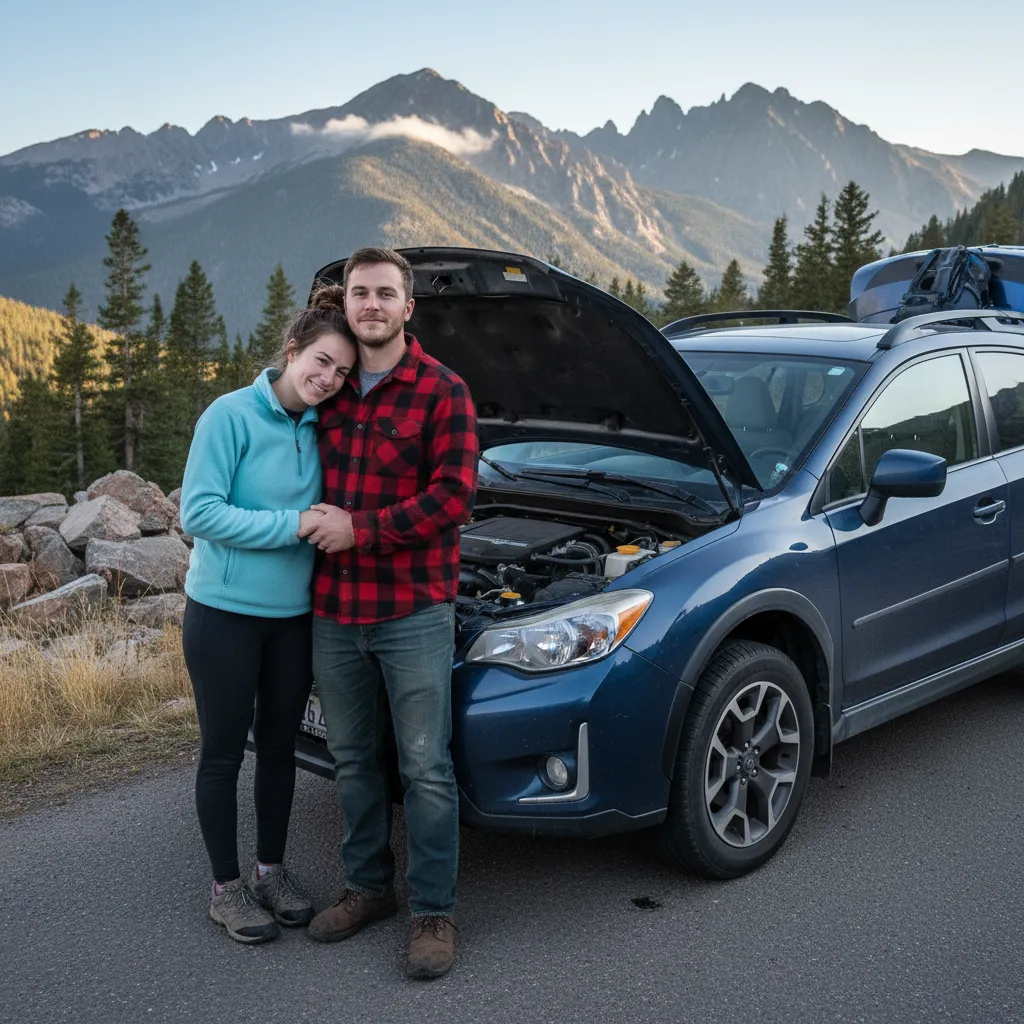
COMPREHENSIVE ROADSIDE ASSISTANCE COVERAGE
Protection that addresses YOUR specific breakdown risks and travel patterns
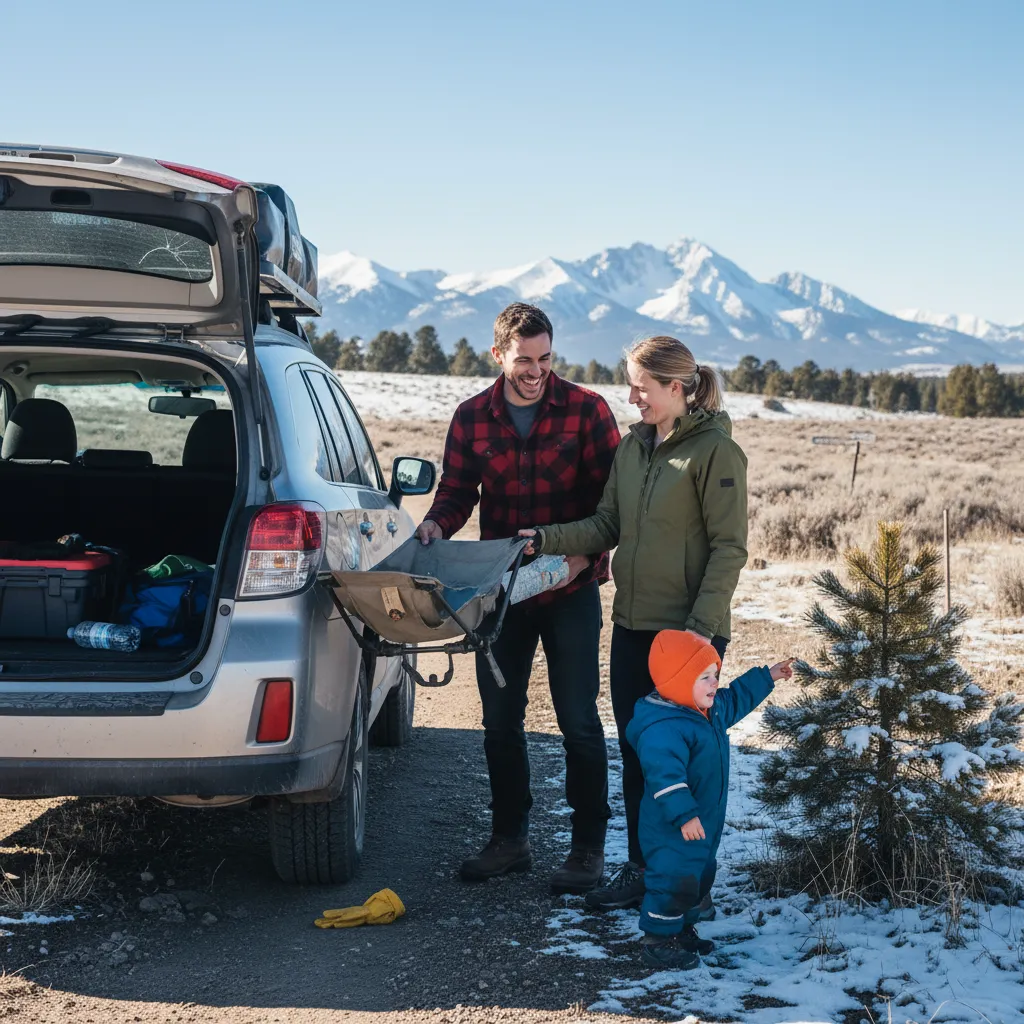
UNDERSTANDING MOUNTAIN WEST BREAKDOWN RISKS
Mountain West drivers face breakdown scenarios most roadside assistance programs don't anticipate—vehicles stranded on I-80 between Laramie and Rawlins where the nearest town is 50+ miles away, battery failures in Wyoming's -30°F winter cold that happens far more frequently than in temperate climates, flat tires on remote Colorado mountain passes where you can't safely change a tire yourself on narrow shoulders with steep drop-offs, and mechanical failures in Utah or Montana backcountry where standard tow trucks simply won't dispatch because there's no street address to navigate to. These aren't hypothetical risks—we've handled hundreds of roadside assistance claims where drivers discovered too late that their "comprehensive" roadside coverage had service radius limitations (won't dispatch more than 25 miles from paved roads), distance restrictions (only tows 15 miles when the nearest repair facility is 40 miles away), or network gaps (no contracted service providers in rural counties where you've broken down). We structure roadside assistance that specifically addresses Mountain West geography—with towing coverage extending 50-100+ miles to reach actual repair facilities not just arbitrary distance limits, service networks including rural providers who will dispatch to remote areas, 24/7 response even in counties with limited provider density, and coverage that doesn't exclude you because you broke down on a county road instead of an interstate. Your breakdown location doesn't follow urban planning—your roadside assistance shouldn't either.
COVERAGE ADAPTED TO YOUR DRIVING
Generic roadside assistance programs assume you're commuting 20 miles round-trip in suburban areas where repair shops cluster every few miles—but that's not how Mountain West residents actually drive, and cookie-cutter coverage leaves you exposed when your real-world breakdown doesn't match their assumptions. We customize roadside assistance by analyzing your specific driving patterns: daily commute distance and route remoteness (city driving versus rural highways), frequency of long-distance travel (weekend trips to Denver versus daily drives on isolated county roads), vehicle age and reliability (15-year-old truck with 180,000 miles versus 2-year-old sedan under warranty), seasonal travel patterns (summer road trips across multiple states versus year-round local driving), and whether you regularly drive in areas where cell service is unreliable or nonexistent. For example, we might recommend 100-mile towing coverage for a Casper resident who regularly drives to Denver or Billings—distances where standard 15-mile towing limits leave you paying $300+ out-of-pocket for the remaining 85 miles—while a Rock Springs resident with a newer reliable vehicle doing mostly local driving needs basic 25-mile coverage at lower cost. For drivers who frequently travel remote areas, we structure coverage including GPS coordinate-based dispatch for locations without street addresses, service networks with rural providers not just urban tow companies, and emergency fuel delivery that actually reaches you when you misjudge range between gas stations on Wyoming's empty highways. You get roadside assistance matched to how you actually drive—not generic coverage designed for suburbs that fails when you break down where we actually live.
Local expertise matters
Independent agency committed to providing transparent, straightforward insurance solutions for Wyoming and Northern Colorado residents.
REAL ROADSIDE EMERGENCIES, REAL SOLUTIONS
Towing and roadside assistance that stands between breakdowns and disaster
When Your Vehicle Dies on Remote Highways
You're driving I-80 between Laramie and Rawlins in January—one of the most isolated stretches of interstate in America—when your check engine light comes on, the vehicle starts losing power, and within minutes you're coasting to the shoulder 55 miles from the nearest town with temperatures at -15°F and daylight fading. Without roadside assistance, you're facing an immediate crisis: calling local tow companies directly (if you even have cell service and can find phone numbers), negotiating rates that typically run $109 base fee plus $2.50-$7 per mile (meaning a 55-mile tow costs $245-$495 before any after-hours premiums), waiting 60-90 minutes or longer for dispatch in remote areas, and hoping you can stay warm enough in your disabled vehicle until help arrives—all while paying these substantial costs out-of-pocket with no guarantee of what you'll actually be charged until the bill arrives. Many drivers stranded in these situations discover that their vehicle warranty roadside assistance has mileage restrictions (only covers first 50 miles, leaving them paying for the last 5), their credit card roadside benefit requires $80-$100 per-incident fees paid upfront, or they simply have no coverage at all and must bear the full cost of emergency towing during one of the most stressful situations vehicle owners face. We structure roadside assistance with towing coverage extending to 50-100 miles—enough to reach actual repair facilities from genuinely remote breakdown locations—with 24/7 dispatch, direct billing so you're not paying hundreds out-of-pocket and hoping for reimbursement, and service networks including rural providers who regularly handle I-80 corridor emergencies and understand realistic response times in isolated areas. A breakdown 55 miles from town becomes a manageable inconvenience with a phone call, not a $400 emergency expense on top of whatever mechanical repairs you're facing.
When Winter Cold Kills Your Battery
It's 7 AM on a January Monday in Casper, you're running late for work, temperatures hit -28°F overnight, and when you turn the key your vehicle makes clicking sounds but won't start—your battery, which worked fine yesterday, has failed in the extreme cold that's common in Wyoming winters but devastating to battery performance and happens with frustrating frequency between November and March. Without roadside assistance, you're scrambling—calling neighbors or coworkers begging for jump-starts (imposing on relationships and hoping someone's available), waiting for mobile mechanics who might charge $75-$150 for emergency battery service calls, potentially buying a new battery immediately at premium emergency pricing because you can't determine whether your battery just needs a jump or is completely dead, or worst case calling in late to work and losing income while you sort out transportation—all because of a dead battery that's one of the simplest and most common vehicle failures but completely disruptive when it happens. Many people don't realize their comprehensive auto insurance doesn't cover battery failures (that's mechanical breakdown, not collision or comprehensive perils), their manufacturer warranty expired two years ago, or that paying $50-$100 for emergency battery service happens regularly during harsh winters—costs that add up quickly if you experience multiple battery failures over a winter season. We structure roadside assistance including unlimited battery jump-start service with professional technicians who come to your location, test your battery to determine whether it needs replacement or just a jump, get you started and on your way in 15-30 minutes, and don't charge you per-incident fees that turn a minor inconvenience into a $100+ expense every time cold weather kills your battery. For the cost of one or two emergency battery calls ($100-$200), you get an entire year of unlimited service—and more importantly, you get peace of mind that a dead battery on a -30°F morning doesn't derail your entire day or force you to impose on neighbors for help.
When Flat Tires Happen in Dangerous Locations
You're driving a mountain pass on Highway 14 between Dayton and Lovell—a winding two-lane road with steep drop-offs and minimal shoulders—when you hear the unmistakable sound of a tire blowout and pull over on a narrow shoulder with a steep slope immediately adjacent and fast-moving traffic passing within feet of your vehicle. Changing a tire in this location is genuinely dangerous: the shoulder is barely wide enough for your vehicle let alone safe working space, the slope makes jacking your vehicle risky (jacks can slip on uneven ground causing vehicle collapse), traffic is passing at highway speeds within arm's reach of where you'd be working, and if you're not experienced with tire changes the entire process is intimidating and potentially unsafe—and that's before considering weather factors like wind, cold, or rain that make roadside tire changes miserable and even more dangerous. Without roadside assistance, you're facing difficult choices: attempt a tire change yourself in dangerous conditions risking injury from traffic, jack failure, or simply not knowing proper procedures; call local tow companies and pay $109+ for what amounts to a 15-minute tire change service; or impose on passing motorists hoping someone will stop and help (creating safety risks for them and leaving you dependent on strangers' mechanical knowledge and goodwill). Many drivers also discover their vehicle lacks a spare tire (many modern vehicles eliminate spares to reduce weight), their spare is flat from never being checked, or they've never actually changed a tire and don't know where the jack is stored or how to operate it—turning a flat tire into an hours-long ordeal or expensive tow when it should be a simple 20-minute service call. We structure roadside assistance including flat tire change service where professional technicians come to your location, safely change your tire using your spare (handling the dangerous work in traffic), and get you back on the road in 20-30 minutes—eliminating both the danger and the stress of changing tires in unsafe locations, and preventing what should be a minor inconvenience from becoming a multi-hour delay, expensive tow bill, or genuine safety risk when flat tires happen in locations where changing them yourself is dangerous or impractical.
When You Need Help Navigating Claims
Your vehicle breaks down 70 miles from home, you call roadside assistance, a tow truck arrives and transports your vehicle to a repair shop, but then you're handed a bill for $380—$109 base towing fee plus $3.90 per mile for 70 miles—and the tow company says your roadside assistance only covered the first 25 miles, leaving you responsible for $175.50 you weren't expecting to pay, and now you're confused about whether this is correct, whether you should pay and seek reimbursement, or whether the tow company is overcharging you beyond what your policy actually covers. Without an independent agent advocating for you, you're alone trying to interpret policy language you don't fully understand ("towing to nearest qualified repair facility" versus "towing up to X miles"), calling your insurance carrier's roadside assistance phone number and getting routed to different customer service representatives who give you conflicting information about what's covered, potentially paying bills out-of-pocket because you don't know whether arguing will delay getting your vehicle released from the tow yard, and fighting for reimbursement weeks later when you're not even sure you're owed money—all while dealing with vehicle repairs, rental car arrangements, and the general stress of unexpected breakdown situations. Most drivers don't realize they can have their insurance agent handle these disputes—reviewing tow bills against policy coverage to confirm charges are correct, communicating directly with roadside assistance dispatch and billing departments using industry language that gets faster resolution, identifying when tow companies are overcharging or when your policy genuinely has limitations you weren't aware of, and negotiating reimbursement or explaining why charges exceed policy limits before you pay rather than after when recovery is more difficult. We fight for you when roadside assistance claims get complicated—reviewing all charges against your actual policy coverage, handling communication with service providers and insurance carriers, ensuring you understand exactly what you're paying for and why, and if necessary escalating disputes when charges are unreasonable or when policy language is being misinterpreted to your disadvantage. You get an expert who knows how roadside assistance billing actually works, not abandonment when a simple tow turns into a confusing dispute over who owes what.
ROADSIDE ASSISTANCE KNOWLEDGE THAT MATTERS
Practical guidance for Mountain West drivers navigating coverage decisions
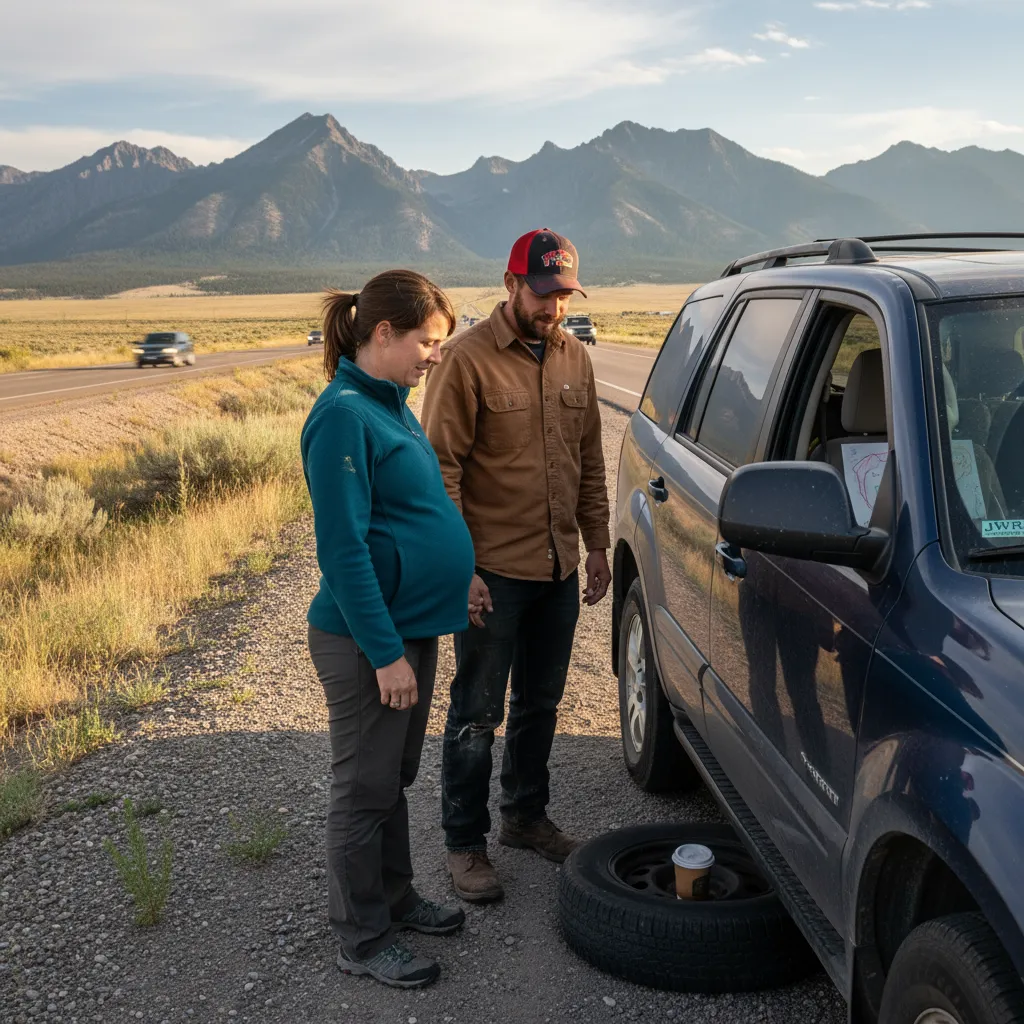
What Roadside Assistance Actually Covers (And Doesn't)
Understanding exactly what your roadside assistance pays for versus what remains your responsibility—including the critical distinction between towing service (covered) and mechanical repairs (not covered), why fuel delivery is covered but the fuel itself costs you $4.50/gallon, how battery jump-starts work versus battery replacement costs, when flat tire service means installing your spare versus buying a new tire, and what "towing to nearest qualified facility" actually means when you want your vehicle towed to your preferred mechanic 40 miles away instead of the closest shop 15 miles away.

Surviving Winter Breakdowns on Wyoming Highways
Essential preparation and response strategies for vehicle breakdowns during Wyoming winters—covering what emergency supplies to keep in your vehicle (blankets, food, water, communication devices) when traveling I-80 between November and March, how to stay safe while waiting for roadside assistance in sub-zero temperatures, when to stay with your vehicle versus attempting to walk to help, how to communicate your location when you're between mile markers on remote highways, and why winter breakdown preparation can literally save your life in conditions where response times may exceed one hour and exposure is genuinely dangerous.
COVERAGE FOR EVERY DRIVING STAGE
New Vehicle Owners
Just bought a new or nearly-new vehicle? Your manufacturer warranty probably includes complimentary roadside assistance for 3 years or 36,000 miles, meaning you already have basic coverage without purchasing separate policies. We help you understand exactly what your manufacturer coverage includes (towing distance, service types, expiration timing), determine whether you need supplemental coverage for gaps (longer towing distances for rural driving, additional services manufacturer programs don't include), and plan for coverage continuation when your warranty expires—ensuring you're not paying for duplicate coverage now while making sure you're prepared to maintain protection when factory coverage ends.
Growing Vehicle Fleet
Managing multiple vehicles for your family? You're now dealing with teenagers driving, older vehicles with increasing breakdown risk, and different drivers with varying mechanical knowledge and comfort with roadside emergencies. We structure roadside assistance that covers all household vehicles and drivers efficiently—potentially family plans that cover multiple vehicles at reduced per-vehicle cost, ensuring teenage drivers have access to help when they experience their first breakdown (instead of panicking or making unsafe decisions), and coverage levels appropriate for each vehicle's age and reliability—protecting your entire family fleet without paying premium rates on every single vehicle when their actual breakdown risks vary substantially.
High-Mileage Vehicle Owners
Operating vehicles with 100,000+ miles and experiencing increasing mechanical issues? Roadside assistance transitions from occasional convenience to essential protection as vehicle reliability declines with age and mileage—you're facing higher probability of breakdowns, more frequent battery failures as electrical systems age, and greater likelihood of mechanical failures that require towing rather than on-site fixes. We prioritize comprehensive roadside coverage for high-mileage vehicles—extended towing distances because older vehicles often need specialist repairs not available at nearest shops, unlimited service calls because you may need assistance multiple times per year as various systems fail, and potentially adding mechanical breakdown insurance that covers actual repair costs beyond just towing—acknowledging that older vehicles need more robust protection than newer reliable cars.
Retirement Travel
Traveling extensively in retirement or managing seasonal homes in multiple states? Your roadside assistance needs now span multiple states and potentially cover RVs, travel trailers, or multiple vehicles located in different regions—requiring broader geographic coverage than when you primarily drove locally. We structure roadside assistance for extensive travelers—RV-specific coverage with appropriate towing capacity for large vehicles, multi-state coverage ensuring assistance works in all locations you regularly travel, extended towing distances for trips between seasonal homes, and potentially trip interruption coverage reimbursing hotel and meal costs when breakdowns occur far from home and require multi-day repairs—protecting the travel lifestyle you've earned in retirement from being derailed by vehicle breakdowns hundreds of miles from your primary residence.
FAQs
Response times can vary based on location and time of day, but providers aim for 30-60 minutes in populated areas. In more remote parts of Wyoming or Colorado, it might take a bit longer, but help is dispatched immediately.
Basic plans cover essential services with mileage limits for towing. Premium plans often include extended towing distances, winching service, trip interruption benefits, and sometimes even rental car reimbursement, offering broader protection for longer trips across the Rockies.
Roadside assistance is usually an affordable add-on, often costing less than $5-10 per month. This can save you hundreds on unexpected towing or repair calls, especially driving through rural Wyoming or Colorado.