
VANDALISM COVERAGE THAT PROTECTS YOUR RENTAL INVESTMENT
Mountain West rental properties face real vandalism risks—from broken windows and graffiti between tenants to serious damage during vacancy periods, especially in Wyoming winters when unoccupied properties attract criminals. As an independent brokerage serving Wyoming, Colorado, Utah, and Montana, we compare 20+ carriers to find vandalism and malicious mischief coverage that actually protects YOUR rental properties—including vacant property endorsements, third-party damage protection, and coverage that works when properties sit empty between tenants. We're landlords' neighbors who understand rental property realities, answer the phone when vandalism happens, and make sure you're protected from the criminal damage that threatens rental income and property value.

COMPREHENSIVE VANDALISM & MALICIOUS MISCHIEF PROTECTION
Protection designed for the real vandalism risks landlords face—from vacancy periods to high-crime areas

UNDERSTANDING RENTAL PROPERTY VANDALISM RISKS
Rental properties experience vandalism at significantly higher rates than owner-occupied homes because vacant units between tenants, properties undergoing renovations, and rentals in urban areas present ideal targets where criminal activity goes unobserved—and Mountain West properties face additional vulnerability from harsh winters when heating systems are offline and seasonal vacancy patterns create predictable windows of exposure. We've handled hundreds of vandalism claims across Wyoming, Colorado, Utah, and Montana where landlords discovered too late that their "comprehensive" policy excluded vacant property damage (most policies eliminate vandalism coverage after just 30 to 60 days of vacancy), didn't cover graffiti removal costs that ran $500 to $800, excluded tenant-caused intentional damage that security deposits couldn't cover, or had coverage limits of only $25,000 when actual structural damage exceeded $10,000 from break-ins, destroyed fixtures, and forced-entry repairs. Standard homeowner policies aren't designed for rental property exposure—they're built for occupied homes where owners immediately notice and report damage, not properties that might sit vacant for months between tenants or during renovation periods when vandals strike repeatedly. We structure vandalism and malicious mischief coverage specifically for landlord scenarios—DP-3 "open peril" protection that covers virtually any vandalism unless specifically excluded, vacant property endorsements that maintain coverage during extended unoccupied periods when risk is highest, replacement cost settlement (not depreciated actual cash value) so you can actually restore damaged property, and coverage limits appropriate for Mountain West repair costs and contractor availability after incidents—protecting your rental investment from one of the most common and costly property crimes affecting landlords in our region.
COVERAGE ADAPTED TO YOUR RENTAL BUSINESS
Generic vandalism coverage treats all rental properties the same, but a single-family home in a stable Fort Collins neighborhood needs completely different protection than a multi-unit building in a high-crime urban area or a vacation rental in Wyoming that sits vacant four months annually—and landlords managing properties in transition face different risks than those with long-term stable tenants. We customize vandalism coverage by analyzing your specific rental business model: property type and location (single-family suburban versus urban multi-unit versus vacation rental), vacancy patterns (continuous occupancy versus frequent turnover versus seasonal), neighborhood crime statistics (documented vandalism incident rates in your ZIP code), property security measures (alarm systems, cameras, lighting that reduce risk and qualify for premium discounts), number of properties you manage (single rental versus portfolio), and whether you're managing renovations or holding properties through market cycles. For example, a landlord with a vacation rental in Rock Springs that sits vacant November through March needs a vacant property vandalism endorsement that maintains full coverage during extended unoccupied periods and higher limits to account for delayed damage discovery, while a landlord with stable long-term tenants in Loveland needs standard DP-3 coverage focused on third-party criminal damage with loss-of-rental-income bundling for the rare occasions when vandalism makes units uninhabitable. A landlord managing multiple properties in urban Casper with documented high vandalism rates might need elevated coverage limits ($75,000 to $100,000 versus standard $50,000), specific graffiti removal coverage, and mandatory security system requirements—while excluding coverage you don't need to manage premiums appropriately. You get vandalism protection calibrated to YOUR actual rental business risks and operating patterns, not a one-size-fits-all policy designed for owner-occupied homes that leaves critical landlord exposures unprotected.
Local expertise matters
Independent agency committed to providing transparent, straightforward insurance solutions for Wyoming and Northern Colorado residents.
REAL VANDALISM RISKS, REAL SOLUTIONS FOR LANDLORDS
Vandalism coverage that stands between criminal damage and your rental income
When Vacant Properties Attract Vandals
Your rental property in Casper sits vacant for 75 days while you search for quality tenants during a slow winter market, and during this extended vacancy vandals strike repeatedly—breaking all first-floor windows ($3,000 in glass replacement), spray-painting graffiti across the exterior requiring professional removal and repainting ($1,500), forcing entry through the back door damaging the frame and lock ($800), and destroying interior fixtures during break-ins including light fixtures, cabinet doors, and bathroom mirrors ($2,200). Total damage reaches $7,500, but when you file your vandalism claim the insurance company denies coverage completely, citing the policy's 60-day vacancy exclusion that eliminates vandalism protection when properties remain unoccupied for more than 60 consecutive days—a standard exclusion in most landlord policies that reflects actuarial reality (vacant properties experience 3 to 5 times higher vandalism rates) but creates a massive coverage gap exactly when landlords are most vulnerable to repeated criminal targeting. Many landlords don't discover this vacancy exclusion until they experience extended vacancies during market downturns, seasonal rental off-periods, or renovation projects that take longer than anticipated—suddenly finding themselves without vandalism coverage during the highest-risk periods when properties sit obviously empty with boarded windows or no occupancy signs. We structure vandalism coverage with vacant property endorsements that maintain full protection even during extended unoccupied periods (90 to 120 days or longer depending on your needs), higher coverage limits that account for the cumulative damage from repeated vandalism incidents that occur before landlords discover ongoing criminal activity, specific coverage for securing and monitoring vacant properties (boarding services, security system activation, regular inspection costs), and guidance on documentation requirements that preserve coverage (regular property inspections, dated photos, maintenance records showing active property management)—ensuring your rental investment remains protected during vacancy transitions, not just when tenants are actively occupying units and providing natural security through their presence.
When Break-Ins Destroy Rental Income
Vandals break into your Wyoming rental property through a forced basement window during a cold February night, causing $4,200 in immediate damage—window replacement ($1,200), forced-entry door frame and lock repairs ($900), destroyed interior drywall where intruders punched holes searching for valuables ($1,500), and damaged appliances including a destroyed refrigerator and dishwasher ($600)—but the real financial impact extends far beyond repair costs because your tenant understandably refuses to stay in a property that's been violently breached and gives 30-day notice, leaving you with both repair bills and lost rental income for the two months required to restore the property and find a new tenant. Vandalism incidents that make properties uninhabitable or drive tenants to break leases create double financial exposure: the immediate property damage repair costs plus the ongoing rental income loss during restoration and re-leasing periods, with total financial impact often reaching $8,000 to $12,000 when you account for lost rent, tenant turnover costs, and potential rent concessions needed to attract new tenants to a property with recent crime history. Most landlords don't realize their vandalism coverage should be bundled with loss-of-rental-income protection that replaces rent during repair periods—standard vandalism policies cover property damage but do nothing for the rental income you lose when units sit empty during restoration, leaving you absorbing both repair costs (minus deductible) and complete income loss during vacancy. We structure comprehensive vandalism protection that bundles property damage coverage with loss-of-rental-income endorsements specifically calibrated for vandalism scenarios—covering both the $4,200 in repairs (after your deductible) and replacing the $2,400 in lost rental income during the two months of restoration and re-leasing, plus covering emergency securing costs (boarding windows immediately, changing locks, installing temporary security) that prevent additional damage before repairs begin—ensuring vandalism becomes a manageable insurance event rather than a financial catastrophe that derails your rental business cash flow for months.
When Tenant Damage Isn't Covered
During an eviction dispute, your angry tenant intentionally destroys your Fort Collins rental property before vacating—punching holes in every wall ($2,000 in drywall repair), ripping cabinet doors off hinges in the kitchen ($1,500), breaking light fixtures and switches throughout ($800), slashing window screens ($400), and pouring paint down drains causing plumbing damage ($1,200)—creating $5,900 in total intentional destruction that completely exceeds the $1,500 security deposit you're holding. You file a vandalism claim expecting insurance to cover this malicious damage, but your claim is denied because virtually all landlord insurance policies specifically exclude intentional damage caused by occupying tenants or their guests, reasoning that tenants are liable through the lease agreement and security deposit mechanism rather than through the landlord's insurance policy—a critical distinction that catches many landlords by surprise when they assume "vandalism coverage" protects against all intentional property damage regardless of who caused it. The coverage gap between third-party criminal vandalism (covered) and tenant-caused intentional damage (excluded) reflects fundamental insurance philosophy: VMM coverage protects against criminal acts by outsiders without permission to be on the property, not tenant breach of lease obligations where landlords have contractual remedies through security deposits, lease enforcement, and civil litigation for damages exceeding deposits. After security deposit application you're left absorbing $4,400 in losses, and while you can theoretically pursue the tenant through small claims court or civil litigation, collection proves difficult when evicted tenants have limited assets or have left the state. We help landlords understand this critical coverage distinction upfront—explaining exactly what standard vandalism coverage includes (third-party criminal damage) and excludes (tenant-caused intentional damage), offering optional tenant malicious mischief endorsements where available that provide limited protection against intentional tenant damage (typically with higher premiums and specific underwriting requirements), and most importantly, emphasizing comprehensive tenant screening as your primary protection against tenant-damage risk since insurance provides limited help—rigorous credit checks, background verification, previous landlord references, income verification, and eviction history research that prevents problematic tenants from ever occupying your properties in the first place.
When Claims Get Disputed
Your multi-unit rental property in Rock Springs suffers $8,500 in vandalism damage—extensive graffiti across the exterior, multiple broken windows, and forced-entry damage to a ground-floor unit—and you file a comprehensive vandalism claim expecting straightforward coverage, but the insurance adjuster initially disputes the claim suggesting the damage occurred gradually over weeks rather than in a single incident (implying you failed to maintain the property or report damage promptly), questions whether some damage was pre-existing maintenance neglect rather than criminal vandalism, and proposes a settlement of only $4,200 based on actual cash value depreciation rather than the replacement cost coverage you believed you had. Insurance companies employ adjusters whose job includes minimizing claim payouts by finding coverage exclusions, disputing causation, questioning damage timelines, and applying depreciation formulas that reduce settlements—and landlords without expert advocacy find themselves accepting unfair claim resolutions because they don't understand policy language well enough to argue coverage, can't afford to hire public adjusters who take 10 to 15 percent of settlements, or simply give up fighting denials when they need repairs completed immediately to avoid further rental income loss. Without an independent agent advocating throughout the claims process, you're alone against a corporation with every incentive to deny or minimize your claim—trying to interpret complex policy language about "sudden and accidental" damage versus gradual deterioration, gathering documentation you didn't know was required (police reports, dated photos proving damage timeline, contractor estimates formatted correctly), and negotiating with adjusters trained to reduce payouts while you're simultaneously managing tenant concerns and property restoration. We fight for landlords throughout vandalism claims—reviewing adjuster findings for accuracy and policy compliance, gathering additional documentation to prove covered events (police reports, witness statements, security camera footage, contractor assessments), communicating with carriers using insurance industry language they can't easily dismiss, escalating disputes through carrier management channels when adjusters are being unreasonable, and if necessary connecting you with attorneys we trust when claims require legal intervention—typically achieving settlements significantly closer to actual repair costs without you paying public adjuster fees, because we're already compensated through your policy and our reputation depends on successful claims advocacy. You get an expert fighting for your rental business interests at no additional cost, not abandonment when you need support navigating complex claims that could determine whether vandalism incidents are manageable insurance events or business-threatening financial losses.
VANDALISM PROTECTION INSIGHTS THAT MATTER
Practical knowledge to guide your rental property vandalism protection strategy
Understanding Vacancy Exclusions in Landlord Policies
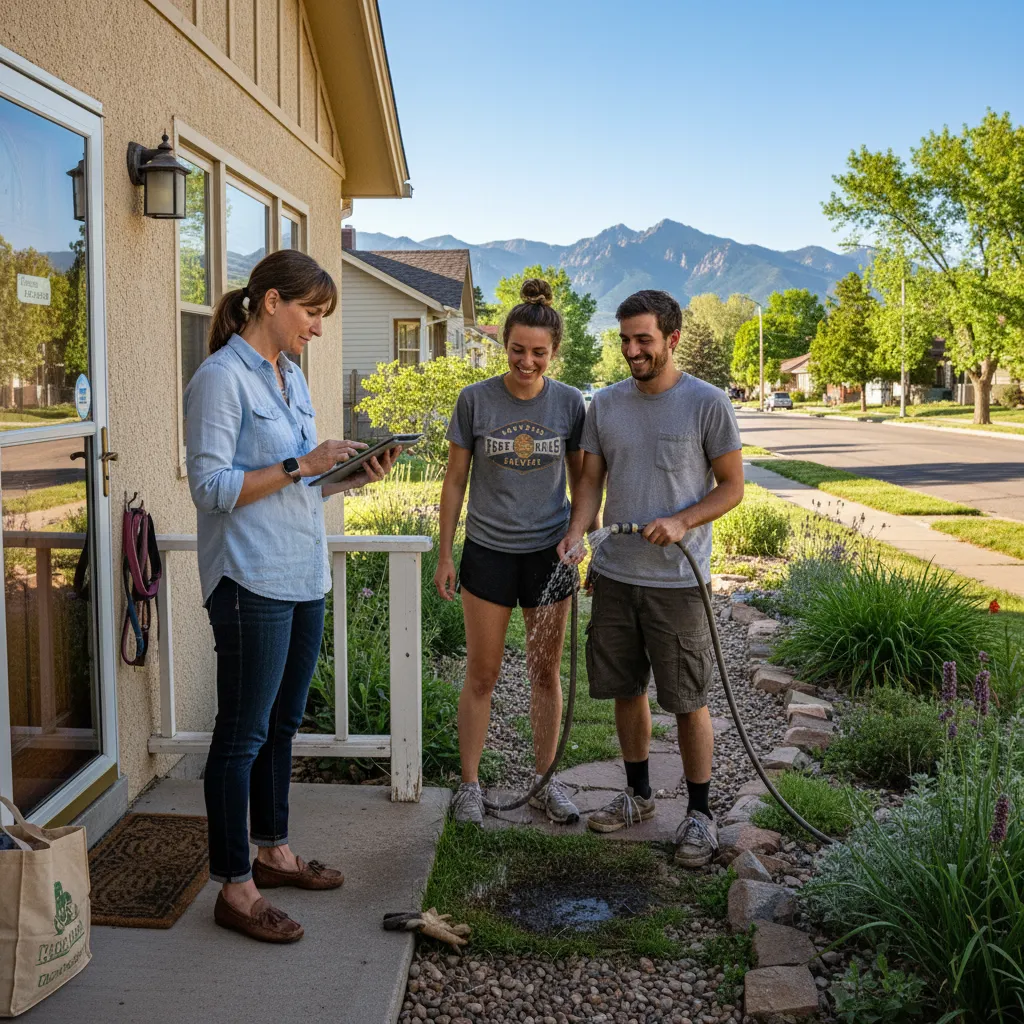
Why most vandalism coverage disappears after 30 to 60 days of property vacancy, how vacancy exclusions are triggered and applied, what vacant property endorsements actually cover and cost, strategies for maintaining coverage during renovations and extended market vacancies, and documentation practices that preserve your vandalism protection during property transitions—essential knowledge for every landlord managing turnover or seasonal rentals in the Mountain West.
Tenant Screening as Primary Vandalism Prevention
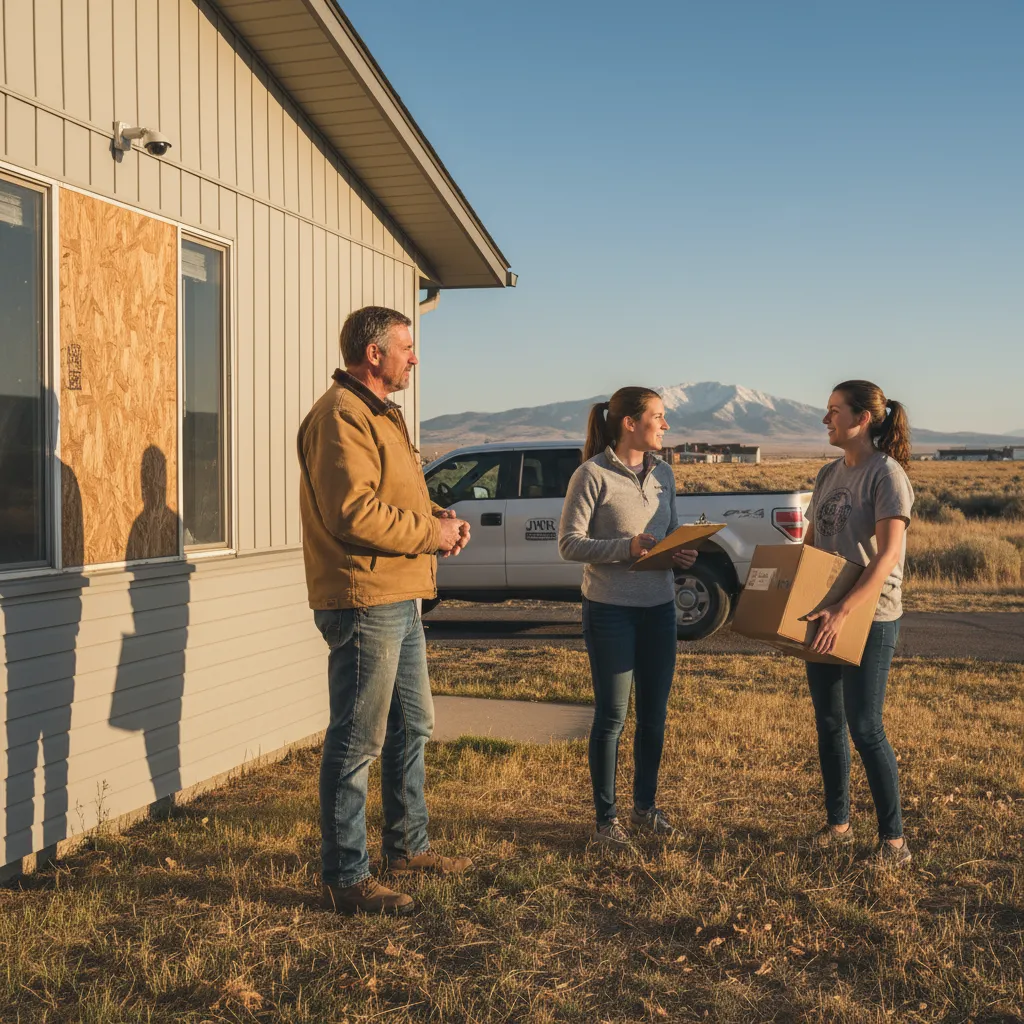
Evidence-based tenant screening practices that prevent the most common source of rental property damage—comprehensive credit checks, criminal background verification, previous landlord reference validation, income verification standards, eviction history research, and red flags that predict tenant-damage risk—protecting your investment through prevention rather than relying solely on insurance recovery after damage occurs.
COVERAGE FOR EVERY LANDLORD STAGE
First Rental Property Owner
Just starting as a landlord with your first rental property? Your priority is essential vandalism protection covering the most common risks—broken windows, graffiti, forced-entry damage—at affordable premiums while you're learning the rental business and building cash reserves. We structure basic DP-3 vandalism coverage focused on third-party criminal damage with standard limits and deductibles that protect your investment without overwhelming your startup landlord budget, with room to add vacant property endorsements and higher limits as you gain experience and expand.
Growing Rental Portfolio
Expanding from one property to multiple rentals across different neighborhoods or cities? You're managing increased vandalism exposure across properties with different risk profiles—some in stable areas, others in higher-crime neighborhoods, some continuously occupied, others with frequent turnover creating vacancy vulnerability. We expand vandalism coverage to efficiently protect multiple properties—potentially portfolio policies that reduce per-property costs, tailored coverage levels reflecting each property's actual risk (higher limits and vacant property endorsements for high-risk properties, standard coverage for stable rentals), and loss-of-rental-income bundling that protects cash flow when vandalism makes units uninhabitable across your growing portfolio.
Established Landlord Business
Running a stable rental business with established properties and proven systems? You've built consistent tenant screening practices that reduce damage risk, implemented property security measures that deter vandalism, and accumulated experience knowing which coverage enhancements matter versus which are unnecessary for your operating model. We optimize vandalism coverage for mature landlord operations—potentially adjusting deductibles and limits based on your actual claims history, implementing security system discounts that reward your risk mitigation investments, and ensuring coverage adapts as neighborhood crime patterns shift or property values appreciate—protecting your established business without paying for coverage you've proven through experience you don't need.
Portfolio Transition Planning
Preparing to sell properties, transition to new management, or reduce your active landlord involvement? You're thinking about protecting accumulated equity, ensuring coverage continuity for buyers if you're selling, and potentially shifting from multiple properties to select holdings with different risk profiles. We help transition your vandalism coverage as your landlord business evolves—ensuring properties being sold have appropriate coverage through closing that doesn't create buyer concerns, restructuring coverage for remaining properties if you're downsizing your portfolio, and potentially shifting to commercial landlord policies if you're consolidating into fewer higher-value properties—safeguarding the rental business you've built over years while supporting your transition strategy.
FAQs
The cost of landlord insurance varies widely based on factors like your property's value, location, and the specific coverages you choose. In Wyoming and Colorado, you might expect annual premiums ranging from a few hundred to a couple thousand dollars. The best way to get an accurate estimate for your specific property is to request a personalized quote.
Yes, a standard homeowner's policy is generally not sufficient for a rental property. Homeowner's insurance is designed for owner-occupied residences, and most policies exclude damages and liabilities that arise from rental activities. Landlord insurance is specifically tailored to protect your investment property and income from tenant-related risks, property damage, and liability claims unique to being a landlord. This is a critical distinction for your peace of mind and financial security.
While comprehensive, landlord insurance usually doesn't cover your tenant's personal belongings, general wear and tear, or maintenance issues like a leaky faucet unless it leads to sudden, accidental damage. Intentional damage caused by tenants may also be excluded, although some policies offer specific endorsements or riders for these situations. Additionally, perils like floods and earthquakes typically require separate policies or endorsements, especially important given the diverse weather patterns in Wyoming and Colorado.
Landlord insurance typically covers damage to your rental property's structure from perils like fire, wind, and vandalism. It also includes liability coverage if someone is injured on your property. Crucially for rental owners, it often provides loss of rental income coverage if your property becomes uninhabitable due due to a covered event, which can be essential in maintaining your finances, especially in areas with fluctuating economies like the oil fields.
Landlord insurance protects you, the property owner, by covering the structure of the building, your liability as the landlord, and often your rental income. Renters insurance, on the other hand, is purchased by your tenants and protects their personal belongings (furniture, electronics, clothing) from damage or theft. It also provides liability coverage for incidents that occur within their rented unit. As a landlord, it's wise to require your tenants to carry renters insurance to ensure their belongings are covered and reduce your own potential liability for their property.
In the event of damage to your rental property, you should contact your insurer or agent as soon as possible to initiate a claim. JWR is focused on local, prompt service, aiming for an initial assessment often within a few days of your report. We guide you through documenting the damage and working with an adjuster to ensure a smooth and timely resolution, helping you get your property repaired and back to generating income quickly.