
What typically isn't covered by a landlord or rental property insurance policy?
While comprehensive, landlord insurance usually doesn't cover your tenant's personal belongings, general wear and tear, or maintenance issues like a leaky faucet unless it leads to sudden, accidental damage. Intentional damage caused by tenants may also be excluded, although some policies offer specific endorsements or riders for these situations. Additionally, perils like floods and earthquakes typically require separate policies or endorsements, especially important given the diverse weather patterns in Wyoming and Colorado.
Let's Dive Deeper Into The Answer
From weather-related claims to property-specific risks, we break down the complex world of landlord insurance. Our local knowledge translates complicated policies into clear, practical protection.
REGIONAL EXPERTISE
Understanding landlord insurance needs specific to Wyoming hail seasons, Colorado wildfire zones, and what Mountain West property owners actually face with rental properties.
TRUSTED GUIDANCE
Expert advice that helps you make informed decisions about protecting your rental properties—without pressure or confusing jargon.
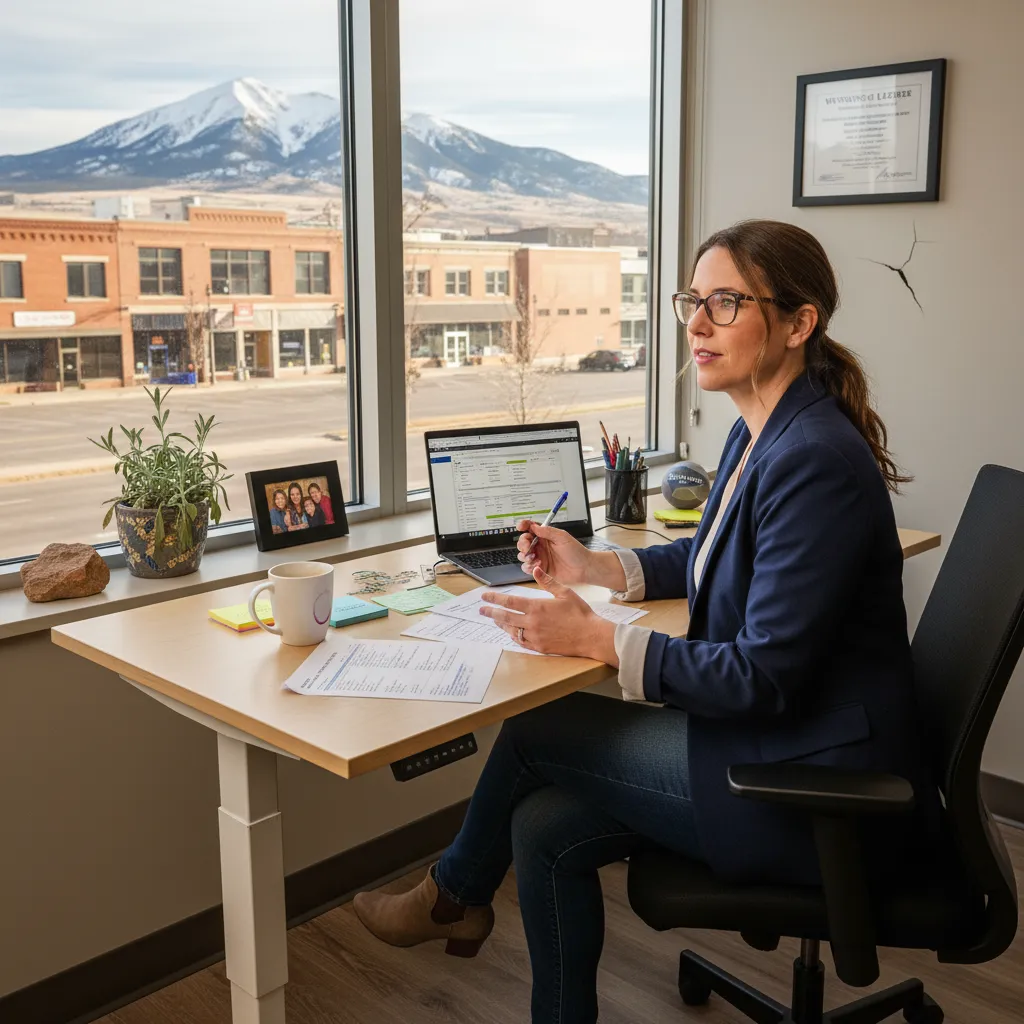
Protect what matters
Insurance built on trust and deep community understanding.
Local Expertise You Can Trust
Instead of being stuck with one company's options, JWR compares rates and coverage across multiple top carriers. One call gets you access to multiple quotes, saving you time and money. Most families save $400+ per year when they switch.
We Shop 20+ Carriers
Insurance is only as good as the claim. JWR doesn't just sell you a policy and disappear. When disaster strikes, the team fights for you, handles the paperwork, and makes sure you're paid fairly and fast. Their claims support is rated 4.9/5 stars for a reason.
We're There When It Matters Most
Insurance is only as good as the claim. JWR doesn't just sell you a policy and disappear. When disaster strikes, the team fights for you, handles the paperwork, and makes sure you're paid fairly and fast. Their claims support is rated 4.9/5 stars for a reason.
Plain English
No-Pressure Service
No jargon. No fine print surprises. JWR explains everything like you're sitting at their kitchen table—because that's how they'd want to be treated. Coverage options are clear, bundles show real dollar savings, and you decide without sales pressure.
YOUR PROTECTION STARTS HERE
Talk to a local expert about your rental property coverage needs
REAL ANSWERS. REAL PEOPLE.
Practical insurance guidance for Wyoming and Northern Colorado property owners.
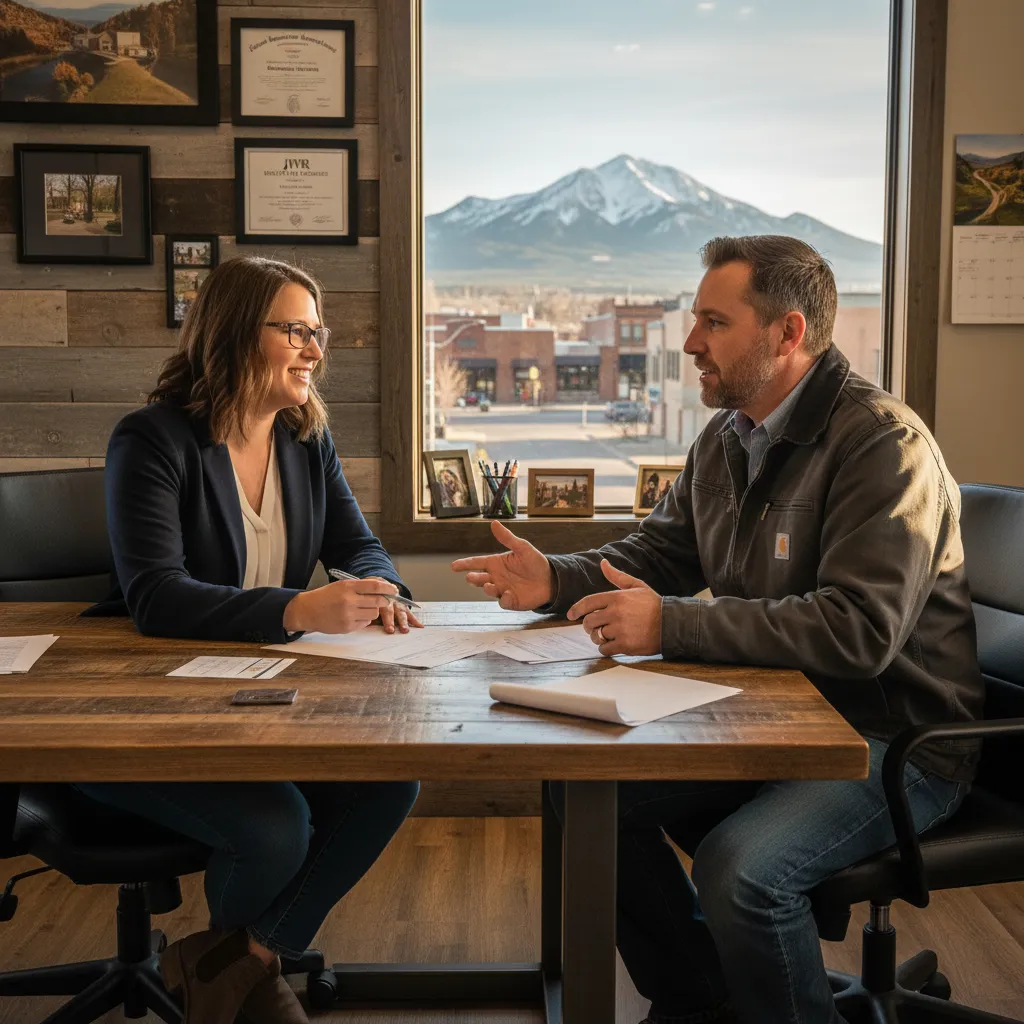
WHAT LANDLORD INSURANCE DOESN'T COVER
Your landlord insurance protects the building structure and your liability as the property owner—but it doesn't cover your tenant's personal belongings. If a fire destroys the rental or a pipe bursts and ruins their furniture, they're paying out of pocket unless they have renters insurance. Normal wear and tear isn't covered either—things like faded paint, worn carpet, or a leaky faucet from years of use are your maintenance responsibility, not insurance claims. Intentional damage caused by tenants typically isn't covered unless you purchase specific endorsements. Most importantly, floods and earthquakes require separate policies—standard landlord insurance won't help if spring runoff floods a Casper basement or an earthquake damages your Fort Collins rental.
REGIONAL EXCLUSIONS THAT MATTER HERE
In Wyoming and Colorado, certain exclusions hit closer to home. Standard landlord policies typically exclude flood damage—a real concern with spring snowmelt along creeks and rivers in both states. If you own rental property near the Platte River in Casper or Cache la Poudre in Fort Collins, you need separate flood insurance. Earthquake coverage requires an endorsement too, increasingly relevant in Colorado's Front Range. Wyoming's notorious hail seasons (May through August) are usually covered under your comprehensive policy, but damage from tenant neglect during storms—like leaving windows open—typically isn't. Mold and fungus are excluded unless they result from a sudden covered event like a burst pipe, not from tenant failure to report slow leaks.
PROTECTING YOUR RENTAL INVESTMENT PROPERLY
Understanding what's not covered helps you fill the gaps. Require tenants to carry renters insurance—it protects their belongings and provides them liability coverage, reducing your exposure. Consider adding endorsements for vandalism and malicious mischief if you're in higher-risk areas. Flood insurance makes sense for properties near water or in known flood zones (FEMA maps show risk areas throughout Wyoming and Colorado). Regular property inspections help catch maintenance issues before they become expensive problems your insurance won't cover. We help Wyoming and Colorado landlords compare carriers and find policies that actually protect rental investments—including the regional endorsements that matter in the Mountain West.
Looking for more FAQs?
Landlord insurance typically covers damage to your rental property's structure from perils like fire, wind, and vandalism. It also includes liability coverage if someone is injured on your property. Crucially for rental owners, it often provides loss of rental income coverage if your property becomes uninhabitable due due to a covered event, which can be essential in maintaining your finances, especially in areas with fluctuating economies like the oil fields.
In the event of damage to your rental property, you should contact your insurer or agent as soon as possible to initiate a claim. JWR is focused on local, prompt service, aiming for an initial assessment often within a few days of your report. We guide you through documenting the damage and working with an adjuster to ensure a smooth and timely resolution, helping you get your property repaired and back to generating income quickly.
Yes, a standard homeowner's policy is generally not sufficient for a rental property. Homeowner's insurance is designed for owner-occupied residences, and most policies exclude damages and liabilities that arise from rental activities. Landlord insurance is specifically tailored to protect your investment property and income from tenant-related risks, property damage, and liability claims unique to being a landlord. This is a critical distinction for your peace of mind and financial security.
The cost of landlord insurance varies widely based on factors like your property's value, location, and the specific coverages you choose. In Wyoming and Colorado, you might expect annual premiums ranging from a few hundred to a couple thousand dollars. The best way to get an accurate estimate for your specific property is to request a personalized quote.
While comprehensive, landlord insurance usually doesn't cover your tenant's personal belongings, general wear and tear, or maintenance issues like a leaky faucet unless it leads to sudden, accidental damage. Intentional damage caused by tenants may also be excluded, although some policies offer specific endorsements or riders for these situations. Additionally, perils like floods and earthquakes typically require separate policies or endorsements, especially important given the diverse weather patterns in Wyoming and Colorado.
Landlord insurance protects you, the property owner, by covering the structure of the building, your liability as the landlord, and often your rental income. Renters insurance, on the other hand, is purchased by your tenants and protects their personal belongings (furniture, electronics, clothing) from damage or theft. It also provides liability coverage for incidents that occur within their rented unit. As a landlord, it's wise to require your tenants to carry renters insurance to ensure their belongings are covered and reduce your own potential liability for their property.