
WATER DAMAGE COVERAGE THAT PROTECTS YOUR HOME FROM COSTLY DISASTERS
Mountain West homes face unique water risks—burst pipes from Wyoming winters that hit -30°F, flash flooding in Colorado canyons, sewer backups from aging infrastructure, and appliance failures at high altitude where pressure changes stress systems differently. As an independent brokerage serving Wyoming, Colorado, Utah, and Montana, we compare 20+ carriers to find water damage coverage that actually covers YOUR specific risks—including freeze protection, sewer backup endorsements, and equipment breakdown coverage that standard policies often exclude or cap too low. We're local experts who answer the phone, explain coverage gaps in plain English, and make sure you're protected from the water disasters that threaten Mountain West homes most.
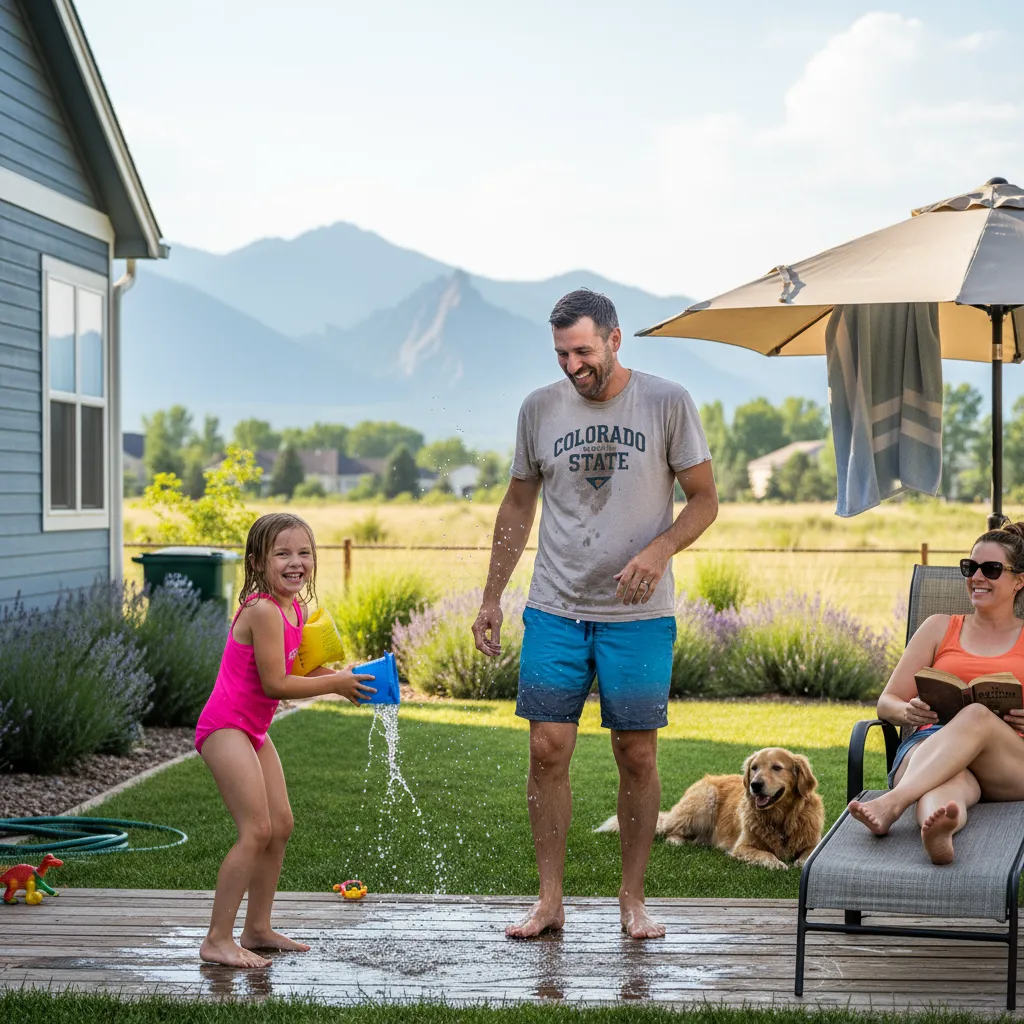
COMPREHENSIVE WATER DAMAGE PROTECTION
Tailored protection that addresses YOUR home's specific water damage vulnerabilities
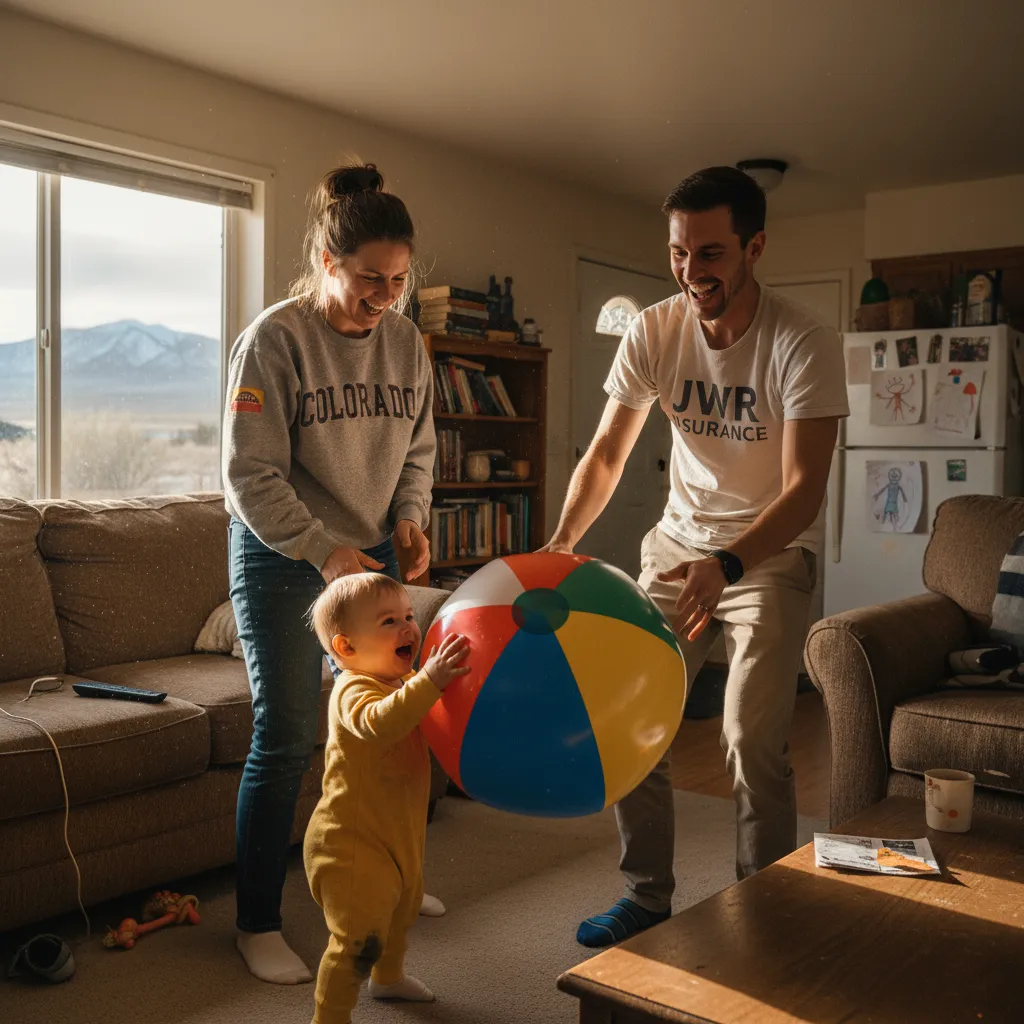
UNDERSTANDING MOUNTAIN WEST WATER RISKS
Mountain West homes face water damage scenarios most insurance companies don't anticipate—burst pipes from Wyoming winters that routinely hit -30°F where pipe contents expand and rupture vulnerable sections in crawl spaces, flash flooding in Colorado foothill canyons where standard flood policies don't apply and sudden rainfall overwhelms storm drains, sewer backups from aging municipal infrastructure in historic neighborhoods built before modern codes, and appliance failures at high altitude where water pressure changes affect washing machine hoses and water heater connections differently than at sea level. These aren't theoretical risks—we've handled hundreds of claims where homeowners discovered too late that their "comprehensive" policy had coverage gaps specific to our region's unique combination of extreme cold, rapid elevation changes, and infrastructure built decades before current building standards. Standard national policy templates don't account for the reality that a burst pipe in Casper during February's subzero stretch creates different damage patterns than the same incident in a temperate climate, or that flash flooding from canyon runoff in Fort Collins requires different coverage than coastal storm surge. We structure water damage coverage that specifically addresses freeze damage to pipes in crawl spaces and unheated areas, sudden snowmelt flooding that FEMA flood maps miss because they're calibrated for river flooding not mountain runoff, sewer backup limits appropriate for Mountain West municipal systems (often $25,000-$50,000 instead of standard $5,000-$10,000), and equipment breakdown coverage for appliances and water heaters that fail more frequently at altitude—not generic policy language written for suburban developments in moderate climates where water damage means something completely different.
CUSTOMIZED COVERAGE FOR YOUR HOME
Generic water damage endorsements treat all homes the same, but a 1970s ranch with original galvanized pipes in Casper needs completely different coverage than a 2020 build in Fort Collins with PEX plumbing and modern drainage—and neither should pay for coverage irrelevant to their actual risks or be left exposed because standard limits don't match regional realities. We structure water damage coverage by analyzing your home's specific vulnerability factors: pipe material and installation age (galvanized steel corrodes and fails differently than copper or modern PEX systems), foundation type and construction (crawl spaces freeze differently than full basements, creating distinct burst pipe patterns), property age and renovation history (homes with updated plumbing systems have different risk profiles than properties with 50-year-old original pipes), local municipal infrastructure age and capacity (neighborhoods with combined storm-sewer systems experience different backup risks than areas with separated modern systems), your property's elevation relative to surrounding terrain and natural drainage patterns (homes in low spots or canyon bottoms face flash flood risks that hilltop properties don't), and seasonal occupancy patterns (vacation homes left unheated during winter face dramatically higher freeze risk). For example, we might recommend $50,000 sewer backup coverage for a finished basement property in an older Rock Springs neighborhood with known municipal backup issues versus standard $10,000 limits for a newer home in a suburban area with modern infrastructure, specific freeze coverage endorsements with heat maintenance requirements clearly explained for vacation properties in mountain areas, equipment breakdown coverage for homes with tankless water heaters at high altitude where mineral buildup accelerates failure rates, and higher dwelling coverage limits in areas where water damage often triggers the discovery of additional issues like mold or structural problems that weren't apparent before the incident. The result is coverage built for YOUR home's actual vulnerabilities based on construction type, location risks, and infrastructure realities—not a generic policy that either leaves you catastrophically exposed when pipes freeze or makes you pay for irrelevant coverage that doesn't match your actual risk profile.
Local expertise matters
Independent agency committed to providing transparent, straightforward insurance solutions for Wyoming and Northern Colorado residents.
REAL WATER RISKS, REAL SOLUTIONS
Water damage coverage that stands between you and costly home repairs
When Winter Pipes Freeze and Burst
It's February in Casper, temperatures have been hovering at -25°F for three days straight with wind chills reaching -40°F, and despite leaving faucets dripping and maintaining heat at 65 degrees, a pipe in your crawl space freezes solid and bursts at 2 AM—flooding your basement with hundreds of gallons of water before you discover it the next morning when you step into three inches of standing water covering your finished basement floor. Water damage from frozen burst pipes can cost $15,000-$40,000 between emergency water extraction that must happen within 24-48 hours to prevent mold, structural drying using industrial dehumidifiers and air movers for 5-7 days, replacing soaked insulation that loses all R-value when wet, tearing out and replacing drywall that wicks water up from flooded floors, and addressing mold remediation if cleanup isn't immediate and thorough—and that's before accounting for damaged belongings like furniture, electronics, stored holiday decorations, and children's toys that absorbed water and can't be salvaged. Many homeowners discover too late that their policy has a "freeze coverage" exclusion if the home was unoccupied for more than 48-72 hours without someone checking daily, or heat wasn't maintained above a specific minimum temperature (usually 55°F), or coverage limits for water damage are capped lower than the actual cost to properly dry, repair, and restore a finished basement after significant water intrusion, leaving them paying $10,000-$20,000 out of pocket even with insurance because they didn't understand the fine print until water was pouring through their floor. We structure water damage coverage that specifically addresses freeze-related burst pipes including clear explanation of heat maintenance requirements so you know exactly what you must do to maintain coverage, coverage for seasonal or vacation homes with reasonable inspection requirements that acknowledge Wyoming winter realities, emergency service coverage for 24/7 water extraction when pipes burst at 2 AM on Sunday and standard business hours don't apply to water damage emergencies, and appropriate sublimits for specialized structural drying and mold remediation that reflect actual Mountain West restoration costs—ensuring you're protected from one of our region's most common and financially devastating water damage scenarios without discovering coverage gaps only after your basement is flooded.
When Flash Flooding Strikes Canyon Properties
Heavy thunderstorms dump 3 inches of rain in 90 minutes on the foothills above your Fort Collins home, overwhelming storm drains and sending a surge of water down the street and into your basement—flooding your finished lower level with 18 inches of contaminated water mixed with street debris, soil, landscaping materials, and potentially sewage from overwhelmed municipal systems, destroying your family room furniture, home theater equipment, kids' playroom, HVAC equipment, water heater, electrical panels, and everything stored below grade including holiday decorations, sports equipment, and boxes of family photos you've been meaning to digitize for years. Flash flood cleanup requires immediate emergency water extraction within 24-48 hours before mold spores begin growing in damp materials, specialized contaminated water remediation procedures far more expensive than clean water cleanup (category 2 "gray water" runs $4-$6.50 per square foot versus $3-$4 for clean water, and category 3 "black water" with sewage reaches $7-$7.50 per square foot), replacement of all electrical systems and components that contacted water due to shock and fire hazards, professional mold remediation even with fast response because contaminated water introduces mold spores that standard cleaning can't address, and temporary housing for your family while your home is uninhabitable for 4-8 weeks during reconstruction—with total costs easily reaching $50,000-$100,000+ for finished basements with significant below-grade living space, built-in features, and electrical and HVAC systems. Many Colorado homeowners discover their standard home policy specifically excludes "surface water" flooding like runoff from overwhelmed storm drains (requiring separate flood insurance they assumed they didn't need because they're not in a FEMA flood zone), caps sewer backup coverage at inadequate $5,000-$10,000 limits that don't cover contaminated water intrusion affecting entire finished basements, or has sublimits on emergency services and temporary housing that run out after 30-60 days when proper contaminated water remediation and reconstruction takes 8-12 weeks—leaving them paying $30,000-$60,000 out of pocket or living in a partially-restored home with ongoing moisture and mold issues because they ran out of insurance coverage before the job was finished properly. We coordinate home and flood coverage to eliminate gaps between policies, structure sewer backup coverage at $25,000-$50,000 levels appropriate for finished basements in areas where flash flooding overwhelms municipal systems (not national average limits based on gradual seepage), ensure emergency service and temporary housing coverage accounts for extended timelines required for proper contaminated water remediation that can't be rushed without leaving moisture and mold problems, and explain clearly which water damage scenarios are covered by standard homeowners policies versus which require separate flood insurance—protecting you from catastrophic out-of-pocket costs when canyon runoff or overwhelmed storm drains turn your basement into a disaster zone.
When Home Renovations Change Your Risks
You finish a major basement renovation converting 900 square feet of unfinished concrete slab storage into a beautiful family room, full bathroom, home office, and guest bedroom with $65,000 invested in framing, plumbing, electrical, luxury vinyl flooring, custom built-ins, furnishings, and a 75-inch TV with surround sound system—but never contact your insurance agent to update coverage reflecting the dramatically increased value and completely different water damage exposure of finished living space versus an empty concrete basement where water intrusion was a minor inconvenience you could squeegee out and forget. Finished basements face fundamentally different water risks than unfinished storage areas—sewer backups now flood expensive living space with contaminated water requiring professional remediation and complete reconstruction rather than just hosing out a concrete floor and moving on, supply line failures to your new bathroom damage drywall, custom cabinetry, and engineered flooring rather than affecting nothing of value, a burst pipe can destroy your entire $65,000 renovation investment plus another $20,000 in furnishings and electronics in hours rather than damaging stored holiday decorations you don't care about, and water damage now triggers building code compliance requirements meaning repairs must meet current standards which are more stringent and expensive than the original 1980s construction. Your original home insurance policy was written three years ago when basement flooding meant pumping out water and throwing away some cardboard boxes, not a catastrophic loss—meaning your dwelling coverage limit may not include the $65,000 renovation value (most policies cover your home "as last appraised" which was before renovations), your sewer backup coverage is still capped at the basic $10,000 limit appropriate for unfinished basements where backup just creates a cleanup inconvenience, your contents coverage wasn't increased for the additional $20,000 in furnishings and electronics now below grade, and your policy has no coverage for the code upgrade expenses often required when repairing renovated spaces that must now meet current electrical, plumbing, and egress window requirements. We proactively review coverage whenever you renovate, ensuring dwelling limits are increased to reflect your actual investment including basement finishing (adding $65,000 to dwelling coverage for this exact scenario), sewer backup coverage is increased from standard $10,000 to $25,000-$50,000 appropriate for finished living space where contaminated water backup is now catastrophic not just inconvenient, contents coverage accounts for furniture, electronics, built-in features, and personal property now stored in below-grade living areas, and code upgrade coverage addresses the reality that repairs to renovated spaces often trigger building code compliance requirements that increase reconstruction costs 15-25% beyond simple replacement—protecting your renovation investment from water damage risks that are exponentially more serious and expensive now than before you finished that basement.
When Water Damage Claims Get Complicated
Your basement floods from what appears to be sewer backup during heavy spring rain, your insurance adjuster initially visits and estimates $32,000 in coverage, you start making plans for repairs, but then two weeks later the carrier sends a denial letter claiming the water damage was caused by foundation cracks allowing groundwater seepage (gradual damage and maintenance issue, specifically excluded) rather than sewer backup overwhelming your floor drain (sudden covered event)—leaving you with a denied claim, a devastated basement that's growing mold while you figure out what to do, and no clear path forward because you don't understand policy language well enough to argue whether this was truly gradual seepage or sudden backup, and you certainly can't afford to hire your own public adjuster at 15% of settlement or attorney at 33% contingency to fight a denial. Insurance companies have entire teams of adjusters, engineers, investigators, and attorneys whose explicit job is to minimize claim payouts by finding coverage exclusions, disputing causation between covered and excluded events, identifying any possible maintenance failures or negligence that could void coverage, and pressuring policyholders to accept lowball settlements or outright denials because they know most homeowners lack expertise to push back effectively—and when you're alone trying to argue with a corporation that has every incentive and all the expertise on their side, you're at a catastrophic disadvantage trying to interpret complex policy language you've never seen before, gathering technical documentation you don't know is required, negotiating with adjusters who've handled 500 water damage claims while this is your first ever, and potentially facing the choice between accepting an unfair denial or paying thousands to public adjusters or attorneys just to get coverage you already paid premiums for. Without an independent agent who actually advocates for you during claims, you're completely alone against a corporation with sophisticated claim denial strategies—trying to prove that water came from a sewer backup not foundation seepage when you don't know what evidence matters, documenting damage properly when you don't know what photos adjusters need, responding to requests for maintenance records you may not have kept, and watching mold grow while the carrier delays and investigates and requests more documentation, all while you're paying your mortgage on a house you can't fully occupy and facing financial devastation from a covered event that's being denied on technical grounds you don't fully understand. We fight for you throughout the entire claims process—reviewing adjuster reports and denial letters for accuracy and catching when carriers are misinterpreting policy language or claiming exclusions that don't actually apply to your situation, gathering additional evidence and documentation to prove covered events and causation using our experience from hundreds of previous water damage claims, communicating with the carrier using industry language and policy interpretation they can't easily dismiss or ignore, escalating disputes to carrier management and state insurance regulators when adjusters are being unreasonable or acting in bad faith, and if necessary connecting you with public adjusters we trust or attorneys who specialize in insurance claim disputes and will fight for fair settlements. You get an expert advocate fighting for your interests at no additional cost beyond your normal premiums, not abandonment to face claim denials alone without expertise or resources, and we typically achieve settlements closer to full policy value without you paying 15% to public adjusters because we're already compensated by your premiums and our reputation depends on successful claim advocacy that keeps clients protected when they need it most.
WATER DAMAGE INSIGHTS THAT MATTER
Practical knowledge to guide your water damage protection decisions
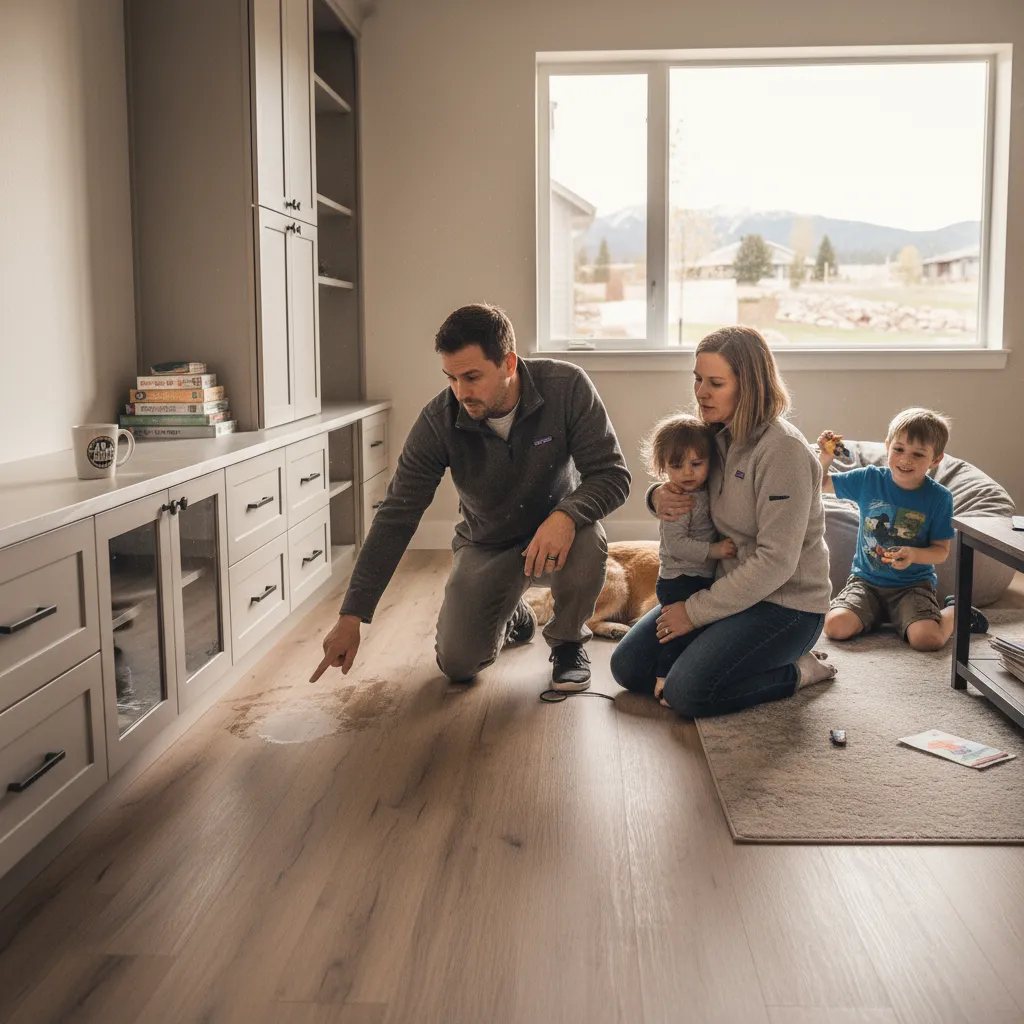
Preventing Winter Pipe Freezing in Extreme Cold
Practical strategies for protecting your pipes when Wyoming temperatures hit -30°F or Colorado cold snaps freeze exposed plumbing—including which pipes are most vulnerable (crawl space supply lines, exterior wall plumbing, unheated garage connections), how to maintain heat in vacation homes and unoccupied properties to preserve insurance coverage, emergency steps to take when pipes freeze before they burst, whether pipe heat tape and insulation are worth the investment in our climate, and what your insurance policy actually requires you to do to maintain freeze coverage when you're away from home during winter months.
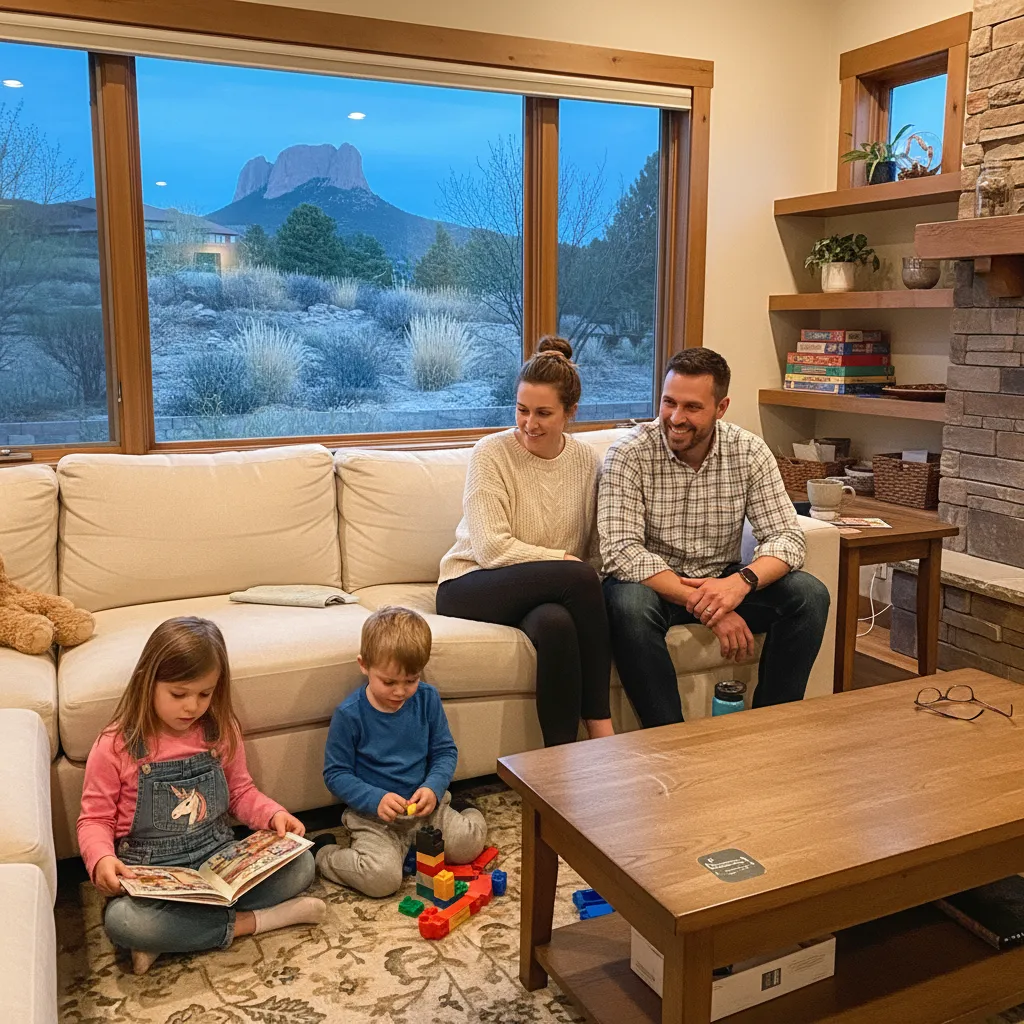
Understanding Sewer Backup Coverage Limits
Why standard $5,000-$10,000 sewer backup coverage is catastrophically inadequate for finished basements in the Mountain West, how to evaluate appropriate coverage limits based on your property's below-grade square footage and whether space is finished or unfinished, what sewer backup coverage actually covers versus what it excludes (many homeowners are surprised), when you need both sewer backup endorsements and separate flood insurance instead of assuming one policy covers all water intrusion, and real claim examples showing the difference between homeowners with adequate sewer backup limits and those who discovered $10,000 coverage doesn't come close to covering $45,000 in contaminated water cleanup and reconstruction.
COVERAGE FOR EVERY LIFE STAGE
First-Time Homeowner
Just bought your first home? Your priority is essential water damage protection covering the most common and costly risks—burst pipes, water heater failures, appliance leaks, and roof damage allowing rain entry—without paying for coverage you don't yet need or can't afford while you're building equity and emergency savings. We structure affordable water damage coverage focused on the fundamental protections every new homeowner needs including appropriate dwelling limits for your home's replacement cost, reasonable deductibles balancing premium costs with out-of-pocket exposure if something happens, and clear explanation of what's covered versus excluded so you understand exactly what you're protected against and what scenarios require additional endorsements you might add later as your budget allows.
Growing Family
Raising kids in your home? You're likely finishing basements for playrooms and guest rooms, adding bathrooms to accommodate growing families, upgrading to larger capacity appliances and water heaters, and accumulating significantly more belongings below grade—dramatically changing your water damage exposure from basic homeowner risks to finished living space vulnerabilities where the same sewer backup or burst pipe that used to be a $5,000 cleanup is now a $40,000 catastrophe. We expand water damage coverage to protect your growing investment in finished basements and renovated spaces, increased contents below grade including furniture, electronics, toys, and stored belongings, additional plumbing serving expanded living areas and multiple bathrooms, and appropriate sewer backup and equipment breakdown limits that reflect the dramatically higher financial exposure you now face—ensuring your growing family's home improvements and accumulated belongings are properly protected as your home evolves from starter house to established family residence.
Managing an Aging Home
Home 20+ years old with original or aging systems? You're dealing with plumbing that's increasingly prone to failures as galvanized pipes corrode and copper develops pinhole leaks, water heaters approaching or past their expected 10-12 year lifespan, washing machine hoses that have been connected since the home was built, and older infrastructure throughout the home that statistically has much higher failure rates than when your home was new—requiring coverage adjustments that account for increased risk while potentially managing premium costs through higher deductibles since you've hopefully built emergency savings over decades of homeownership. We structure water damage coverage that accounts for elevated risk in aging homes including potentially higher deductibles to manage premium costs as your home ages and risk increases, equipment breakdown coverage for aging water heaters, HVAC systems, and appliances approaching end-of-life, proactive review of coverage whenever you replace major components like water heaters or washing machines to ensure new equipment is properly covered, and honest conversation about whether comprehensive water damage coverage still makes financial sense or whether you should consider higher deductibles and self-insure smaller losses while maintaining catastrophic protection.
Managing Multiple Properties
Own rental properties or a vacation home in addition to your primary residence? You're managing water damage risks across multiple properties with different occupancy patterns, dealing with unoccupied home exposures when you're not physically present to catch small leaks before they become major damage, coordinating coverage across properties to avoid gaps or unnecessary duplication, and potentially facing higher deductibles or coverage restrictions on investment and vacation properties that insurers consider higher risk than owner-occupied primary residences. We coordinate water damage coverage across all your properties—ensuring vacation homes have appropriate unoccupied coverage with clear understanding of inspection requirements and heat maintenance obligations during winter months, rental properties have proper landlord endorsements including coverage for tenant-caused water damage that owner-occupied policies exclude, investment properties have appropriate liability coverage for water damage affecting tenants or neighboring units, and you're not paying for duplicate coverage or leaving dangerous gaps between policies covering different properties—protecting your real estate portfolio from water damage risks that multiply as you add properties and spend less time physically present at each location.
FAQs
Home insurance in Wyoming and Colorado typically ranges from $800-$1,800 annually for $300,000-$500,000 homes, depending on age, construction, location, and deductible. Hail-prone areas (Casper, Fort Collins) may cost slightly more. Most homeowners save $300-$800/year by bundling with auto insurance and shopping multiple carriers. Get a free quote based on your home's specifics.
Actual Cash Value (ACV): If your 20-year-old roof is damaged, you're paid its depreciated value ($2,000), not the $15,000 cost to replace it. You pay the gap. Replacement Cost (RC): You're paid the full $15,000 to replace the roof, regardless of age. RC costs more in premiums but protects you fairly. For homes in hail-prone Wyoming and Colorado, we recommend RC for dwelling and personal property coverage.
It depends on your location. If you're in a FEMA flood zone or near a river/creek, flood insurance is essential—standard home insurance DOES NOT cover flood. Even if you're not in a flood zone, flash flooding happens. Wyoming's sudden storms and Colorado's seasonal flooding make it worth considering, especially if you're in Casper's North Platte area or along Front Range streams. We can assess your risk.
Ask your agent: "Is this Replacement Cost (RC) or Actual Cash Value (ACV)?" With RC, you're paid the full cost to rebuild today—even if it exceeds your policy limit (up to your dwelling limit). With ACV, you're paid depreciated value. We strongly recommend RC. If your home would cost $600,000 to rebuild but you only have $400,000 coverage, you pay the gap. Ensure your dwelling limit reflects current rebuild costs.
Covers: Your home structure, attached garage, roof, personal belongings, liability if someone is injured on your property, and temporary housing if your home becomes uninhabitable. Doesn't Cover: Flood (separate policy), earthquakes (separate endorsement), wear and tear, and maintenance issues. Some policies exclude certain water damage scenarios. Review your specific policy or ask us to clarify.
(1) Document damage with photos. (2) Don't make permanent repairs until insurance inspects (unless emergency). (3) Call us immediately—we file the claim and coordinate with the adjuster. (4) We can recommend trusted local contractors in Casper, Fort Collins, or your area. (5) Once approved, insurance pays the contractor directly (usually). Hail claims are common here; we handle them routinely and fight for fair settlements.