
If I get into an accident, what's the process for filing an auto insurance claim?
After ensuring everyone's safety and, if necessary, contacting law enforcement, you should report the accident to your insurance provider as soon as possible. We'll guide you through gathering necessary information, documenting damages, and working with an adjuster to assess your claim. Timely reporting helps expedite the process, getting you back on the road sooner.
Let's Dive Deeper Into The Answer
From icy winter collisions to hail damage claims, we guide Mountain West drivers through the claims process step-by-step. Our local knowledge helps you get back on the road faster with less hassle.
COMMUNITY KNOWLEDGE
Understanding Wyoming's unique driving challenges—from I-25 black ice crashes to deer collisions and hail damage. We know the claims scenarios Casper and Fort Collins drivers actually face.
TRUSTED GUIDANCE
Clear, step-by-step claim filing help when you need it most. We walk you through the process without pressure or confusion—just honest support from your neighbors.

Protect what matters
Insurance built on trust and deep community understanding.
Local Expertise You Can Trust
Instead of being stuck with one company's options, JWR compares rates and coverage across multiple top carriers. One call gets you access to multiple quotes, saving you time and money. Most families save $400+ per year when they switch.
We Shop 20+ Carriers
Insurance is only as good as the claim. JWR doesn't just sell you a policy and disappear. When disaster strikes, the team fights for you, handles the paperwork, and makes sure you're paid fairly and fast. Their claims support is rated 4.9/5 stars for a reason.
We're There When It Matters Most
Insurance is only as good as the claim. JWR doesn't just sell you a policy and disappear. When disaster strikes, the team fights for you, handles the paperwork, and makes sure you're paid fairly and fast. Their claims support is rated 4.9/5 stars for a reason.
Plain English
No-Pressure Service
No jargon. No fine print surprises. JWR explains everything like you're sitting at their kitchen table—because that's how they'd want to be treated. Coverage options are clear, bundles show real dollar savings, and you decide without sales pressure.
YOUR PROTECTION STARTS HERE
Get coverage that actually helps when accidents happen—or talk through your claim with a local expert.
REAL ANSWERS. REAL PEOPLE.
Step-by-step claim filing guidance for Wyoming and Colorado drivers.
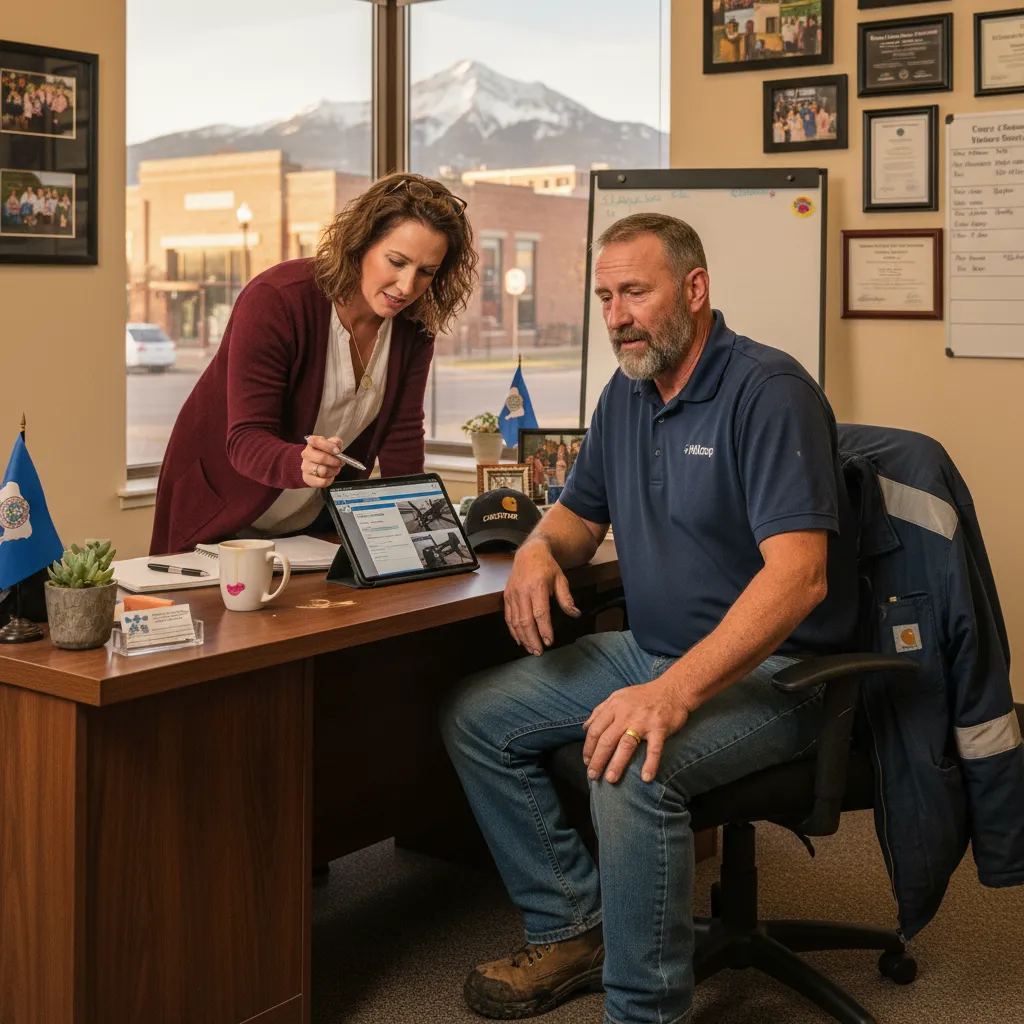
IMMEDIATE STEPS AFTER AN ACCIDENT
First, ensure everyone's safety—call 911 if anyone is injured or vehicles can't be moved. Wyoming law requires police reports for accidents with injuries, deaths, or property damage over $1,000. Exchange information with the other driver: names, phone numbers, insurance details, license plate numbers, and driver's license numbers. Take photos of vehicle damage, the accident scene, license plates, and road conditions—especially important for Wyoming's winter black ice or hail damage claims. Get contact information from witnesses if possible. Then call your insurance company as soon as you safely can—most carriers have 24/7 claim reporting. We answer our phones nights and weekends when accidents actually happen.
FILING YOUR CLAIM WITH YOUR INSURANCE COMPANY
When you call to report the accident, your insurer will assign a claim number and an adjuster to handle your case. They'll ask what happened, request the police report number if applicable, and gather details about damages and injuries. Be honest and thorough, but stick to the facts—don't admit fault or speculate about what happened. Your adjuster will explain your coverage (what your policy actually pays for), your deductible (your part before insurance kicks in), and next steps for vehicle inspection. Most carriers let you choose your repair shop, though they may suggest preferred shops. We help coordinate this process, handle communication with adjusters, and make sure you understand your coverage and options at every step.
THE CLAIM PROCESS AND GETTING YOUR VEHICLE REPAIRED
Your insurance adjuster will inspect the damage—either in person, at a repair shop, or through photos you submit. They'll estimate repair costs and explain whether your vehicle is repairable or totaled (when repair costs exceed the vehicle's value). If you have collision or comprehensive coverage, your insurer pays for repairs minus your deductible. If the other driver caused the accident and has insurance, their liability coverage should pay for your repairs without a deductible—but this takes longer. Rental car coverage (if you have it) provides a vehicle while yours is repaired. The whole process typically takes one to three weeks for repairs, longer if parts are hard to find or the vehicle is totaled. We stay in communication with you and adjusters throughout, helping resolve issues and ensuring you understand your options. Most importantly, we make sure you're treated fairly and claims get paid correctly.
Looking for more FAQs?
After ensuring everyone's safety and, if necessary, contacting law enforcement, you should report the accident to your insurance provider as soon as possible. We'll guide you through gathering necessary information, documenting damages, and working with an adjuster to assess your claim. Timely reporting helps expedite the process, getting you back on the road sooner.
A comprehensive auto policy typically includes liability coverage for damage to others, collision coverage for your vehicle in an accident, and comprehensive coverage for non-collision events like hail damage, falling rocks, or wildlife collisions common in Wyoming and Colorado. Many policies also include medical payments and uninsured motorist coverage, which is crucial given the higher rates of uninsured drivers in some areas.
Liability-only insurance covers damages and injuries you cause to other people and their property. "Full coverage" typically adds collision and comprehensive coverage, protecting your own vehicle from accidents, theft, or natural disasters like a Wyoming hailstorm. If you have a newer car, an auto loan, or want maximum protection, full coverage is often recommended. For older vehicles, liability-only might suffice, but consider the financial risk.
Auto insurance is legally required in both Wyoming and Colorado. While the minimum liability limits might seem low, they often aren't enough to cover serious accidents. Driving without insurance can lead to hefty fines, license suspension, and personal financial responsibility for all damages if you're at fault in a crash. It's not just optional; it protects you and others.
Auto insurance premiums in Wyoming and Colorado can vary widely, often ranging from $100 to $250 per month depending on factors like your driving record, vehicle type, and coverage limits. For example, a driver with a clean record in Cheyenne will likely pay less than someone with an accident history in Denver, especially if they commute through oil fields. The best way to know your exact cost is to get a personalized quote.
Standard auto insurance generally does not cover intentional damage, normal wear and tear on your vehicle, or modifications and custom parts not explicitly declared on your policy. It also won't cover using your personal vehicle for racing or certain commercial purposes like ridesharing without specific endorsements. Always check your policy for precise exclusions.