
What's the key difference between Professional Liability E&O insurance and General Liability insurance?
The main difference is what they cover. General Liability insurance covers claims of bodily injury or property damage that occur on your business premises or from your operations (e.g., a client tripping and falling in your office). Professional Liability E&O insurance, however, specifically covers financial losses due to errors, omissions, or negligence in the professional services or advice you provide. Many businesses, especially those in service industries, need both for comprehensive protection.
Let's Dive Deeper Into The Answer
From service professionals to contractors, we explain the coverage differences that matter. Local expertise translates complex policies into clear protection for your Wyoming and Colorado business.
INDUSTRY EXPERTISE
Understanding coverage needs for accountants, consultants, engineers, contractors, and service providers across Wyoming and Colorado. We know what your specific business actually needs—not generic policies that leave gaps.
PROTECTION GUIDANCE
Expert advice that helps you protect your business from both physical accidents and professional mistakes—without overpaying for coverage you don't need or missing protection that could save your business.

Protect what matters
Insurance built on trust and deep community understanding.
Local Expertise You Can Trust
Instead of being stuck with one company's options, JWR compares rates and coverage across multiple top carriers. One call gets you access to multiple quotes, saving you time and money. Most families save $400+ per year when they switch.
We Shop 20+ Carriers
Insurance is only as good as the claim. JWR doesn't just sell you a policy and disappear. When disaster strikes, the team fights for you, handles the paperwork, and makes sure you're paid fairly and fast. Their claims support is rated 4.9/5 stars for a reason.
We're There When It Matters Most
Insurance is only as good as the claim. JWR doesn't just sell you a policy and disappear. When disaster strikes, the team fights for you, handles the paperwork, and makes sure you're paid fairly and fast. Their claims support is rated 4.9/5 stars for a reason.
Plain English
No-Pressure Service
No jargon. No fine print surprises. JWR explains everything like you're sitting at their kitchen table—because that's how they'd want to be treated. Coverage options are clear, bundles show real dollar savings, and you decide without sales pressure.
YOUR BUSINESS PROTECTION STARTS HERE
Talk to a local expert about coverage that fits your specific business
REAL ANSWERS. REAL PEOPLE.
Clear insurance guidance for Wyoming and Colorado business owners.
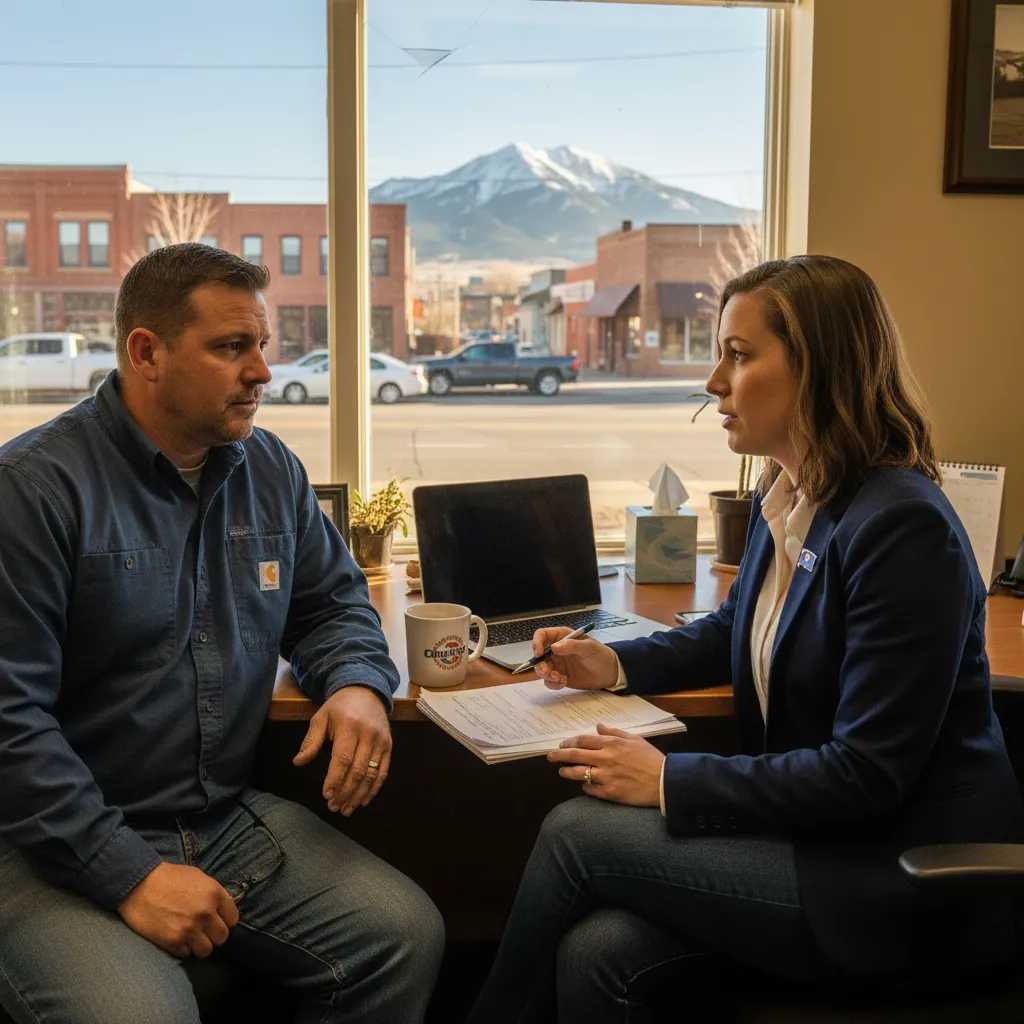
THE KEY DIFFERENCE EXPLAINED
General Liability insurance covers bodily injury and property damage that happen at your business or from your operations—like a client slipping and falling in your Casper office, or your employee accidentally damaging a customer's property while on a job site. Professional Liability E&O (Errors and Omissions) insurance covers something completely different: financial losses your clients suffer because of mistakes, oversights, or negligence in the professional services or advice you provide. If you're an accountant who makes a costly tax error, a consultant who gives bad advice that loses a client money, or an engineer whose design flaw causes project delays—that's when E&O coverage protects you. General Liability won't touch these professional mistake claims, which is why service professionals need both.
REAL-WORLD EXAMPLES FOR MOUNTAIN WEST BUSINESSES
Here's how it works in practice: A contractor in Cheyenne has General Liability that covers when his crew accidentally breaks a client's window during construction—that's property damage from operations. But if that same contractor designs a structural element incorrectly and the client sues for the cost to fix the mistake, that's a professional service error requiring E&O coverage. An IT consultant in Fort Collins has General Liability covering someone tripping over cables in her office. But when her security recommendations fail and a client suffers a data breach costing $50,000, that financial loss from professional advice requires E&O protection. The line is simple: physical accidents and property damage = General Liability. Mistakes in your professional work causing financial loss = Professional Liability E&O.
WHO NEEDS BOTH COVERAGES
Most service-based businesses in Wyoming and Colorado need both General Liability and Professional Liability E&O for complete protection. Accountants, consultants, engineers, architects, IT professionals, real estate agents, insurance agents, attorneys, financial advisors, and marketing agencies all face both physical accident risks and professional mistake risks. Even if you work from a home office with minimal foot traffic, you still face professional liability exposure from your advice and services. General Liability is often required by commercial leases and client contracts. Professional Liability E&O is increasingly required by clients before they'll work with you. We help Wyoming and Northern Colorado businesses understand which coverages your specific situation requires and find policies that actually fit your operations and budget—not cookie-cutter packages that leave gaps or waste money.
Looking for more FAQs?
The cost of E&O insurance varies widely based on your profession, business size, revenue, location (like Wyoming or Colorado), and claims history. Highly specialized fields or those with higher risk factors might see higher premiums. It's best to get a personalized quote to understand your specific costs and coverage options. We can help you find a plan that fits your budget.
The main difference is what they cover. General Liability insurance covers claims of bodily injury or property damage that occur on your business premises or from your operations (e.g., a client tripping and falling in your office). Professional Liability E&O insurance, however, specifically covers financial losses due to errors, omissions, or negligence in the professional services or advice you provide. Many businesses, especially those in service industries, need both for comprehensive protection.
If a client alleges an error or initiates a claim, you should immediately notify your insurance provider. Gather all relevant documentation, such as contracts, correspondence, and project details, but do not admit fault or make any promises to the client. Your insurer will guide you through the process, providing legal defense and managing the claim on your behalf to protect your business.
E&O insurance typically does not cover claims arising from intentional wrongdoings, fraudulent acts, criminal activity, or bodily injury/property damage (those are usually covered by General Liability). It also generally excludes employment-related practices claims (like wrongful termination) or disputes among business partners. It's specific to professional services and financial harm to clients.
Professional Liability (Errors and Omissions) insurance protects your business financially from claims of negligence, errors, or omissions in the professional services you provide. This includes things like incorrect advice, misrepresentation, or failure to deliver services as promised, which can lead to financial loss for your client. It helps cover legal defense costs and damages up to your policy limits.
Yes, absolutely! While you might think only large corporations exposed to significant risk need it, any professional providing advice or services can be sued for alleged errors or negligence, regardless of intent. E&O insurance protects your business's reputation and financial stability, covering legal costs whether the claim is valid or not. It's crucial for peace of mind, even for small businesses in Wyoming and Colorado.