
WORKERS' COMP DEATH BENEFITS THAT PROTECT YOUR FAMILY
When workplace tragedies take Mountain West workers—from oil field accidents in Wyoming's harsh conditions to construction fatalities at Colorado's high altitudes to agricultural incidents on remote Montana ranches—surviving families face devastating financial uncertainty on top of emotional loss. As an independent brokerage serving Wyoming, Colorado, Utah, and Montana, we partner with 20+ carriers to ensure your workers' comp coverage includes comprehensive death benefits that provide immediate funeral expense relief and ongoing income support for surviving spouses and children—protecting the families of employees who give everything to your business. We're local business advocates who understand the profound responsibility you have to your team, and we answer the phone when workplace tragedies require immediate guidance on benefits, claims procedures, and supporting grieving families through the most difficult process they'll ever face.
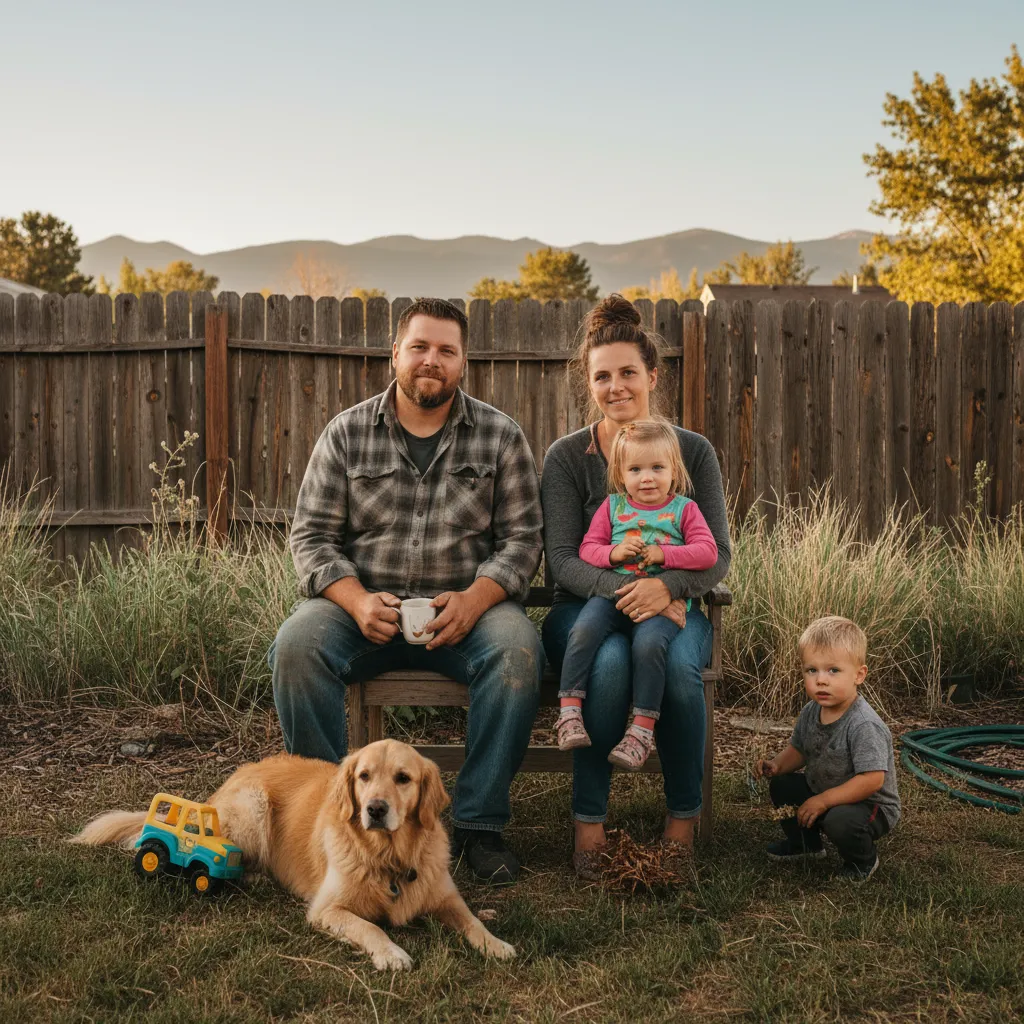
COMPREHENSIVE DEATH BENEFITS FOR WORKERS' COMP
Protection that supports surviving families through immediate crisis and long-term financial stability

UNDERSTANDING MOUNTAIN WEST WORKPLACE FATALITY RISKS
Mountain West industries face workplace death risks that differ significantly from national patterns—oil field fatalities in remote Wyoming locations where emergency response takes 30+ minutes, construction deaths from falls at high altitude where lower oxygen affects worker alertness and healing, transportation accidents on isolated rural highways during work-related travel, agricultural machinery incidents on ranches miles from trauma centers, and occupational disease deaths from decades of exposure to mining dust or industrial chemicals that manifest years after initial employment. These aren't theoretical risks—workplace fatalities occur across our region every year, leaving families suddenly without their primary income earner and facing immediate funeral expenses averaging $8,000-$12,000 plus long-term loss of wages that supported mortgages, children's needs, and household expenses. We structure workers' comp death benefits that specifically address Mountain West workplace fatality patterns, ensuring your coverage provides adequate funeral expense limits (typically $5,000-$12,500 depending on state), wage replacement at two-thirds of the deceased worker's average weekly earnings for surviving spouses and dependent children, and proper beneficiary designation procedures so families aren't navigating complex eligibility determinations during grief. Our carriers understand regional workplace risks—from oil field explosion hazards to remote location emergency response challenges to occupational diseases common in Mountain West industries—and structure death benefits that actually support families when workplace tragedies occur, not generic national policy templates that leave surviving dependents fighting for benefits they're legally entitled to receive.
CUSTOMIZED BENEFICIARY AND BENEFIT STRUCTURES
Generic workers' comp death benefits follow rigid state formulas that may not reflect your workforce's actual family structures or your company's commitment to supporting employees' dependents beyond minimum statutory requirements—but a 25-year-old oil field worker with a spouse and two young children needs different death benefit planning than a 55-year-old construction foreman with adult children and elderly parents he supports financially. We structure death benefits by understanding your workforce's specific demographics and family situations: employee age distribution and family composition (young families with dependent children versus older workers with different dependent structures), wage levels that determine benefit calculations (since death benefits typically pay two-thirds of average weekly wages), state-specific benefit formulas across Wyoming, Colorado, Utah, and Montana where your employees work, your company's philosophy regarding supplemental death benefits beyond statutory minimums, and proper documentation of beneficiary designations so there's no confusion about who receives benefits when tragedies occur. For example, we might help you implement supplemental life insurance for key employees whose families would face inadequate income replacement from statutory two-thirds wage replacement formulas, ensure proper procedures for documenting employee marital status and dependent children so benefit eligibility is clear, coordinate death benefits with your existing group life insurance to create comprehensive family protection, and establish protocols for rapidly initiating death benefit claims so families receive funeral expense payments within days not months when every dollar matters. The result is death benefits customized to your actual workforce and your values as an employer—not just checking the legal compliance box with minimum statutory coverage that leaves employees' families struggling financially while fighting for benefits during their most vulnerable time.
Local expertise matters
Independent agency committed to providing transparent, straightforward insurance solutions for Wyoming and Northern Colorado residents.
REAL WORKPLACE TRAGEDIES, REAL FAMILY PROTECTION
Death benefits that stand between workplace fatalities and family financial devastation
When Oil Field Accidents Take Lives
It's January in the Wyoming oil fields outside Rock Springs, temperatures are -15°F, and one of your experienced drill operators is fatally injured in an equipment accident during a night shift—leaving behind a 32-year-old widow with three children under age 10, a mortgage on their home in Green River, and immediate panic about how to pay for a funeral while facing the loss of her husband's $65,000 annual income that supported their entire household. Workplace fatalities create immediate financial crisis—funeral and burial expenses averaging $8,000-$12,000 that must be paid within days, loss of the deceased worker's paycheck that was covering the mortgage payment due in two weeks, and long-term elimination of income that was supporting children's needs, vehicle payments, insurance premiums, and basic household expenses for a family that typically needs 15-20 years of income support before children reach adulthood. Many families don't realize that workers' comp death benefits in Wyoming provide funeral expense coverage up to state limits (typically $5,000-$10,000 depending on injury date), ongoing weekly wage replacement payments at two-thirds of the deceased worker's average weekly earnings paid to surviving spouses indefinitely until remarriage and to dependent children until age 18 (or 23 if enrolled full-time in college), and coverage for all medical expenses incurred by the worker between injury and death—but these benefits require proper claims filing within statutory deadlines, proof of employment relationship and work-relatedness of the death, and documentation of eligible beneficiaries. We guide families through the entire death benefits claims process—helping you communicate what benefits are available immediately after tragedy strikes, coordinating with your carrier to expedite funeral expense payments so families aren't choosing between paying funeral homes and keeping electricity on, ensuring wage replacement payments begin within weeks not months, and staying involved to make sure surviving spouses receive full benefits owed for years or decades as they rebuild their lives and raise their children alone, transforming statutory death benefits from bureaucratic procedures into genuine financial lifelines that honor your deceased employee's years of service and protect the family he left behind.
When Construction Falls Prove Fatal
Your Colorado construction company is working on a commercial project in Fort Collins, a 48-year-old experienced foreman falls from scaffolding on a windy day, suffers severe head trauma, is airlifted to a Denver trauma center where he receives three days of intensive care before ultimately dying from his injuries—and now his widow is facing not just devastating grief but immediate questions about funeral costs, lost income from his $75,000 annual salary, and how to support herself and their 16-year-old son through the next several years until he graduates high school, with no clear understanding of what workers' comp death benefits will actually provide or how to access them. Construction fatalities are among the most common and tragic workplace deaths in our region, with falls from heights accounting for a substantial portion of construction deaths, and the financial impact on families is catastrophic—immediate funeral expenses that must be paid before insurance benefits arrive, medical bills from emergency treatment and intensive care that may be substantial even when ultimately covered by workers' comp, loss of the deceased worker's income that was often the primary or sole household support, and long-term financial instability for surviving spouses who may not have worked outside the home for years or whose own earnings are insufficient to maintain the family's previous standard of living. Your workers' comp death benefits should provide funeral expense coverage up to state limits, two-thirds wage replacement based on the deceased worker's average weekly earnings (approximately $960 weekly in this case, producing death benefits of roughly $640 weekly), payments to the surviving spouse indefinitely or until remarriage with a lump-sum settlement of two years' benefits if remarriage occurs, continued payments to the dependent son until age 18 or through college graduation if enrolled full-time, and coverage for all medical expenses incurred during the three-day hospitalization before death. We ensure death benefits are structured properly from the beginning—verifying adequate wage documentation so benefit calculations reflect the worker's true earnings including overtime, confirming state-specific benefit formulas across the multiple states where you operate construction projects, establishing protocols for immediate claims filing so families aren't waiting months for initial payments, and providing ongoing support to surviving spouses navigating the workers' comp system for years as they receive weekly benefit payments and adjust to their new financial reality—ensuring your deceased employee's family receives every dollar they're entitled to under the law and honoring the foreman's decades of skilled work and leadership that built your company's reputation.
When Occupational Diseases Claim Workers Years Later
A 62-year-old employee who worked in your Utah manufacturing facility for 25 years is diagnosed with mesothelioma resulting from asbestos exposure during his first decade of employment in the 1990s, undergoes treatment for 18 months before ultimately dying from the disease, and his widow contacts you asking about workers' comp death benefits—but you're unsure whether death benefits apply since he retired three years ago, the exposure occurred decades ago under previous ownership, and the causal connection between his employment and his death isn't immediately obvious to anyone except his oncologist who documented occupational asbestos exposure as the cause. Occupational disease deaths create the most complex workers' comp death benefits scenarios because the connection between employment and death may not be immediately apparent, significant time may have elapsed between exposure and disease manifestation, and proving causation requires medical evidence establishing that workplace exposure caused or substantially contributed to the fatal condition—but families deserve death benefits when decades of workplace exposure ultimately claims a worker's life even if the death occurs years after retirement. Workers' comp death benefits apply to occupational diseases when medical evidence establishes that the disease resulted from workplace exposure during employment, even if decades elapsed between exposure and diagnosis, even if the worker retired before diagnosis, and even if company ownership changed multiple times between exposure and death—meaning this widow likely qualifies for funeral expense benefits, potential wage replacement benefits based on her dependency status and the worker's earnings at retirement, and coverage for all medical expenses incurred during the 18-month treatment period that may have generated substantial out-of-pocket costs. We help employers navigate these complex occupational disease death claims—working with your carrier and their investigators to properly document the employment history and exposure evidence supporting the claim, coordinating with the deceased worker's medical providers to obtain records establishing causal connection between workplace exposure and disease, helping surviving spouses understand their rights and the evidence needed to establish death benefit eligibility, and advocating for fair benefit determinations when carriers attempt to deny claims by arguing the disease resulted from non-occupational factors—ensuring families receive the death benefits that recognize their loved one's decades of service and the ultimate price paid for work that put food on their table and built your business, even when that price wasn't collected until years after the work ended.
When Benefits Administration Gets Complicated
Your employee dies in a workplace vehicle accident while traveling to a job site, his surviving spouse files a death benefits claim expecting funeral expense coverage and ongoing wage replacement, but your workers' comp carrier initially denies the claim arguing the accident occurred during commuting (which isn't covered) rather than work-related travel (which is covered)—leaving you caught between a grieving widow who believes you promised benefits and an insurance carrier insisting the death doesn't qualify, with no clear path forward and mounting pressure from the family who's facing foreclosure without income replacement. Workers' comp death benefits claims frequently involve disputes about work-relatedness, eligible beneficiaries, proper benefit calculations, and documentation requirements—with carriers sometimes taking aggressive positions that minimize their financial exposure by denying claims or offering inadequate settlements, while surviving families who've just lost their primary income source lack the expertise, resources, or emotional capacity to fight effectively for full benefits. Without an experienced advocate who knows workers' comp death benefits procedures and regulations, families often accept unfair claim denials, settle for lump-sum payments far below the present value of lifetime benefits they're entitled to, miss critical filing deadlines that permanently eliminate eligibility, fail to document dependency status or wage histories adequately, or simply give up on claims when carriers delay or dispute benefits—leaving them without the financial protection their deceased family member's years of work should have provided. We advocate throughout the death benefits process—reviewing carrier claim decisions for accuracy and proper application of state law, gathering additional documentation to establish work-relatedness when carriers improperly deny claims, communicating with medical examiners and treating physicians to obtain proper causation evidence, helping surviving spouses document marital status and children's dependency to establish beneficiary eligibility, calculating proper benefit amounts using average weekly wage formulas and state-specific maximums to ensure families receive full payments owed, and if necessary connecting families with experienced workers' comp attorneys who can litigate disputed claims—typically getting surviving families benefit approvals and proper payment amounts without them paying attorney fees because we're already compensated by your policy and our business depends on successfully supporting families during these terrible situations, not abandoning them when claims get complicated. You get an expert fighting for fair treatment of your deceased employee's family at no additional cost, protecting both the family's financial future and your reputation as an employer who honors commitments to workers who gave everything to your business.
WORKERS' COMP DEATH BENEFITS INSIGHTS THAT MATTER
Essential knowledge for Mountain West business owners committed to protecting employees' families

Understanding State-Specific Death Benefit Formulas Across the Mountain West
How death benefits are calculated and paid varies significantly between Wyoming, Colorado, Utah, and Montana—covering differences in funeral expense limits (ranging from $5,000 to $12,500), wage replacement formulas (typically two-thirds of average weekly wages but with different maximum weekly benefit caps), duration of benefits for spouses and children (some states pay indefinitely, others impose time or dollar limits), and beneficiary eligibility rules that determine who qualifies as a dependent entitled to benefits.

Establishing Work-Relatedness for Occupational Disease Deaths
How to document and prove that an employee's death from cancer, respiratory disease, or other long-latency conditions resulted from workplace exposure—including medical evidence requirements, the role of occupational medicine specialists in establishing causation, how to document historical exposure records when deaths occur decades after employment, and strategies for overcoming carrier arguments that pre-existing conditions or lifestyle factors caused death rather than workplace hazards.
DEATH BENEFITS FOR EVERY BUSINESS STAGE
Startup Business
Just launching with your first few employees? Your priority is meeting basic workers' comp compliance including statutory death benefits that provide required funeral expense coverage and wage replacement for surviving families if workplace tragedies occur—protecting your initial employees' families without overwhelming your startup budget. We structure essential death benefits coverage that meets all legal requirements, ensures proper beneficiary documentation procedures from day one, and provides clear protocols for what to do if workplace fatalities occur—giving you the foundation you need while keeping costs manageable as you build your business.
Growing Operation
Rapidly expanding your workforce and taking on bigger projects? You're adding employees faster than before, hiring workers with different demographics and family situations, expanding into new service areas with different hazards, and facing increased fatality exposure as your operation scales—requiring more sophisticated death benefits planning than basic startup coverage. We expand death benefits review to ensure coverage keeps pace with workforce growth, implement proper documentation systems for beneficiary designations as you add employees, coordinate death benefits with group life insurance you're now offering, and establish protocols for supporting families if tragedies occur—protecting your growing team's families without breaking your budget.
Established Company
Running a stable business with an experienced but aging workforce? Your employees may have been with you for decades, many have families that depend entirely on their income, your workforce is aging with longer potential benefit periods for surviving spouses, and you've built a company culture that treats employees like family—requiring death benefits that reflect your genuine commitment to workers beyond minimum legal requirements. We review death benefits comprehensively to ensure adequate funeral expense coverage, proper wage documentation so benefit calculations reflect true earnings, coordination with supplemental life insurance for key employees, and proactive planning for supporting families if long-term employees die—honoring the loyalty of workers who built your business.
Succession Planning
Preparing to transition ownership or retire? You're thinking about your legacy, ensuring continuity of your company's values and commitments, and protecting the families of employees who've worked alongside you for years or decades. We help structure death benefits that survive ownership transitions—ensuring your successor inherits proper coverage and procedures, your long-term employees' families remain protected through ownership changes, and your legacy includes genuine commitment to the families of workers who built your business—safeguarding both your reputation and the people who made your success possible.
FAQs
The cost of Workers' Compensation insurance can vary significantly. Factors like your industry, total payroll, and claims history all play a role. For example, businesses in high-risk sectors like the oil fields might see higher premiums due to the nature of the work. For a personalized quote, give us a call with your business details!
Yes, in most cases, if you have employees, Workers' Compensation insurance is a legal requirement in both Wyoming and Colorado. It's not just about compliance; it protects your business from expensive lawsuits and ensures your employees are taken care of, fostering a safer and more secure work environment. Let's chat to confirm your specific requirements.
Workers' Compensation is designed to protect your employees if they suffer a work-related injury or illness. It typically covers medical expenses, a portion of lost wages if they can't work, and rehabilitation costs. This ensures your team gets the care they need without financial burden, and you are protected from direct legal costs.
While Workers' Comp covers most work-related incidents, there are common exclusions. Generally, injuries from non-work activities, pre-existing conditions not aggravated by work, injuries sustained while an employee is intoxicated, or intentionally self-inflicted harm are not covered. Understanding these specifics can help you manage workplace safety better.
If an employee gets injured, they should report it to you immediately. You then need to report the injury to your Workers' Compensation insurance carrier within a specific timeframe, usually a few days. The insurer will review the claim and, if approved, cover the medical treatment and other benefits. We can guide you through every step if an injury occurs.
Workers' Compensation and general liability cover different risks for your business. Workers' Comp specifically covers injuries or illnesses to your employees that occur on the job. General liability, on the other hand, protects your business from claims of bodily injury or property damage that you or your employees cause to third parties, like customers or vendors. You often need both for comprehensive protection.