
If an employee gets injured, what is the typical claims process for Workers' Compensation in Wyoming or Colorado?
If an employee gets injured, they should report it to you immediately. You then need to report the injury to your Workers' Compensation insurance carrier within a specific timeframe, usually a few days. The insurer will review the claim and, if approved, cover the medical treatment and other benefits. We can guide you through every step if an injury occurs.
Let's Dive Deeper Into The Answer
From oil field accidents to construction injuries, we guide Wyoming and Colorado businesses through workers' comp claims with clarity and care. Local expertise that helps you protect your employees and your business.
INDUSTRY KNOWLEDGE
Understanding workers' comp requirements specific to Wyoming oil fields, construction sites, and Colorado businesses. We know the risks Mountain West operations face and guide you through claims when injuries happen.
CLAIMS GUIDANCE
Step-by-step support when workplace injuries occur. We help you report correctly, document properly, and ensure your employees get the medical care and benefits they're entitled to—while protecting your business.

Protect what matters
Insurance built on trust and deep community understanding.
Local Expertise You Can Trust
Instead of being stuck with one company's options, JWR compares rates and coverage across multiple top carriers. One call gets you access to multiple quotes, saving you time and money. Most families save $400+ per year when they switch.
We Shop 20+ Carriers
Insurance is only as good as the claim. JWR doesn't just sell you a policy and disappear. When disaster strikes, the team fights for you, handles the paperwork, and makes sure you're paid fairly and fast. Their claims support is rated 4.9/5 stars for a reason.
We're There When It Matters Most
Insurance is only as good as the claim. JWR doesn't just sell you a policy and disappear. When disaster strikes, the team fights for you, handles the paperwork, and makes sure you're paid fairly and fast. Their claims support is rated 4.9/5 stars for a reason.
Plain English
No-Pressure Service
No jargon. No fine print surprises. JWR explains everything like you're sitting at their kitchen table—because that's how they'd want to be treated. Coverage options are clear, bundles show real dollar savings, and you decide without sales pressure.
PROTECTION FOR YOUR BUSINESS STARTS HERE
Talk to local experts about workers' comp coverage and claims support for Wyoming and Colorado businesses.
REAL ANSWERS. REAL PEOPLE.
Practical workers' comp claims guidance for Wyoming and Colorado businesses.
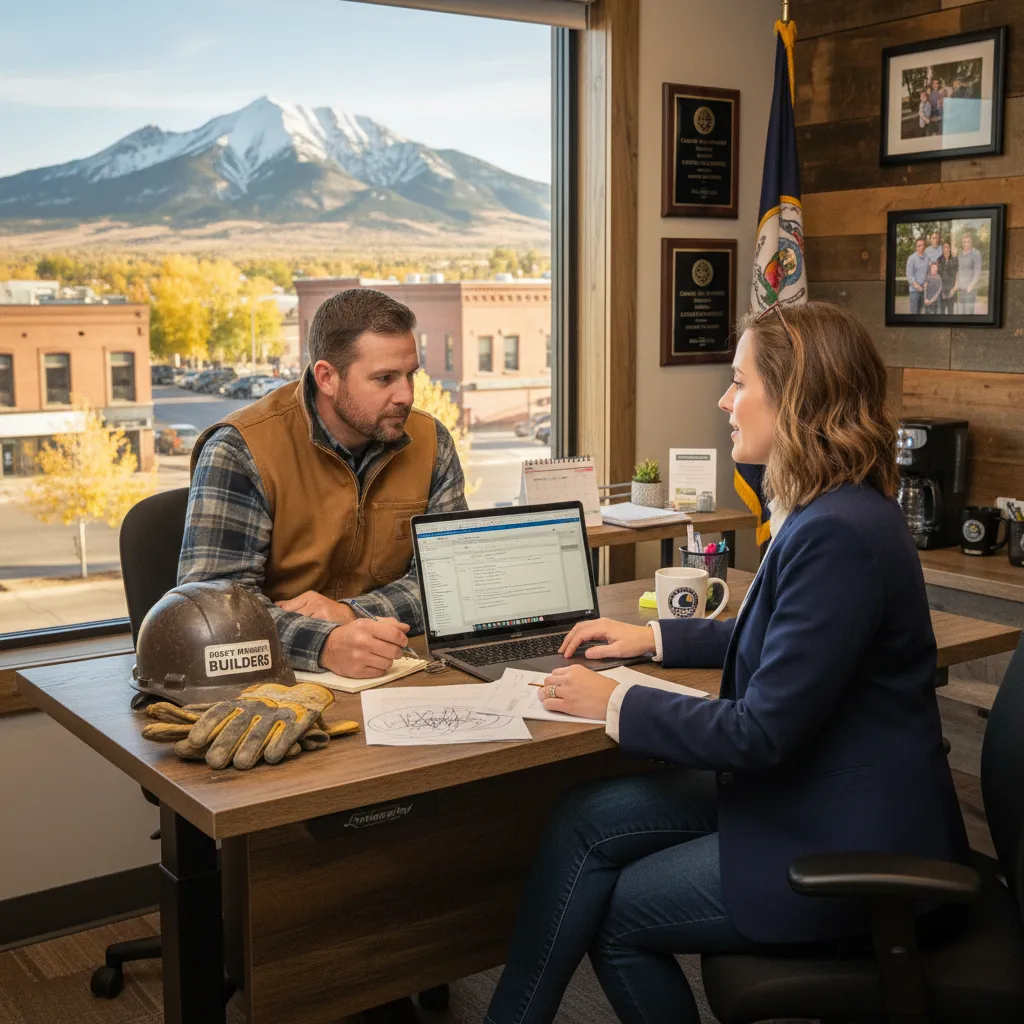
THE WORKERS' COMP CLAIMS PROCESS STEP-BY-STEP
When an employee gets injured at work, immediate action matters. First, the injured employee reports the injury to you (the employer) right away—ideally the same day or within 24 hours. You then report the injury to your workers' comp insurance carrier within the state-required timeframe, which is typically 72 hours to 10 days depending on whether you're in Wyoming or Colorado. Your insurance carrier assigns a claims adjuster who investigates what happened, determines if the injury qualifies for coverage (meaning it happened on the job during work duties), and if approved, authorizes medical treatment at approved providers. The carrier pays for all necessary medical care, and if the employee misses work beyond a waiting period (usually 3-7 days), wage replacement benefits start—typically about two-thirds of their regular wages. Throughout the process, the adjuster stays in contact with you, the employee, and medical providers to coordinate care and benefits until the employee can return to work or reaches maximum medical recovery.
YOUR RESPONSIBILITIES AS THE EMPLOYER
Wyoming and Colorado require you to report workplace injuries promptly—even minor ones that might not seem serious at first. Document exactly what happened: date, time, location, what the employee was doing, how the injury occurred, and who witnessed it. Provide your employee with information about their right to workers' comp benefits and how to access medical care through approved providers in your carrier's network. Many employers keep a first report of injury form on hand to complete immediately when incidents occur. Don't try to determine if the injury qualifies for coverage yourself—report it and let the insurance adjuster make that determination based on investigation. Failing to report injuries within required timeframes can result in penalties and complications. You're also required to post workers' comp information where employees can see it, and maintain accurate payroll records since benefits are calculated based on wages.
HOW WE HELP WHEN INJURIES HAPPEN
We walk you through the entire claims process from the moment an injury occurs. We help you complete injury reports correctly, contact your carrier immediately, and ensure documentation protects both your employee and your business. We explain what benefits your employee should receive, answer questions about modified duty or return-to-work options, and advocate if claims processing hits delays or disputes. Many business owners worry about premium increases after claims—we explain how experience modification rates work in Wyoming and Colorado and help you implement safety programs that reduce future injuries. When injuries happen on oil field sites, construction projects, or in your facility, you need someone local who understands your operation and can guide you through the process without legal jargon or confusion. That's exactly what we do.
Looking for more FAQs?
Workers' Compensation is designed to protect your employees if they suffer a work-related injury or illness. It typically covers medical expenses, a portion of lost wages if they can't work, and rehabilitation costs. This ensures your team gets the care they need without financial burden, and you are protected from direct legal costs.
While Workers' Comp covers most work-related incidents, there are common exclusions. Generally, injuries from non-work activities, pre-existing conditions not aggravated by work, injuries sustained while an employee is intoxicated, or intentionally self-inflicted harm are not covered. Understanding these specifics can help you manage workplace safety better.
The cost of Workers' Compensation insurance can vary significantly. Factors like your industry, total payroll, and claims history all play a role. For example, businesses in high-risk sectors like the oil fields might see higher premiums due to the nature of the work. For a personalized quote, give us a call with your business details!
Yes, in most cases, if you have employees, Workers' Compensation insurance is a legal requirement in both Wyoming and Colorado. It's not just about compliance; it protects your business from expensive lawsuits and ensures your employees are taken care of, fostering a safer and more secure work environment. Let's chat to confirm your specific requirements.
If an employee gets injured, they should report it to you immediately. You then need to report the injury to your Workers' Compensation insurance carrier within a specific timeframe, usually a few days. The insurer will review the claim and, if approved, cover the medical treatment and other benefits. We can guide you through every step if an injury occurs.
Workers' Compensation and general liability cover different risks for your business. Workers' Comp specifically covers injuries or illnesses to your employees that occur on the job. General liability, on the other hand, protects your business from claims of bodily injury or property damage that you or your employees cause to third parties, like customers or vendors. You often need both for comprehensive protection.