
How much does Workers' Compensation insurance typically cost for businesses in Wyoming or Colorado?
The cost of Workers' Compensation insurance can vary significantly. Factors like your industry, total payroll, and claims history all play a role. For example, businesses in high-risk sectors like the oil fields might see higher premiums due to the nature of the work. For a personalized quote, give us a call with your business details!
Let's Dive Deeper Into The Answer
From oil field operations to construction sites, we understand the specific coverage Mountain West businesses need. Our local knowledge translates complicated workers' comp requirements into clear, practical protection.
INDUSTRY EXPERTISE
Understanding workers' comp costs for Wyoming oil field operators, Colorado construction crews, and everything in between. We know the specific risks and rates your industry faces—not generic policies that don't fit your reality.
STRAIGHTFORWARD GUIDANCE
Expert advice that helps you budget for workers' comp realistically and meet state requirements without overpaying. No confusing jargon, no pressure—just honest answers from local professionals.

Protect what matters
Insurance built on trust and deep community understanding.
Local Expertise You Can Trust
Instead of being stuck with one company's options, JWR compares rates and coverage across multiple top carriers. One call gets you access to multiple quotes, saving you time and money. Most families save $400+ per year when they switch.
We Shop 20+ Carriers
Insurance is only as good as the claim. JWR doesn't just sell you a policy and disappear. When disaster strikes, the team fights for you, handles the paperwork, and makes sure you're paid fairly and fast. Their claims support is rated 4.9/5 stars for a reason.
We're There When It Matters Most
Insurance is only as good as the claim. JWR doesn't just sell you a policy and disappear. When disaster strikes, the team fights for you, handles the paperwork, and makes sure you're paid fairly and fast. Their claims support is rated 4.9/5 stars for a reason.
Plain English
No-Pressure Service
No jargon. No fine print surprises. JWR explains everything like you're sitting at their kitchen table—because that's how they'd want to be treated. Coverage options are clear, bundles show real dollar savings, and you decide without sales pressure.
YOUR BUSINESS PROTECTION STARTS HERE
Talk to a local expert about your specific workers' comp needs and costs.
REAL ANSWERS. REAL PEOPLE.
Practical workers' comp guidance for Wyoming and Colorado business owners.
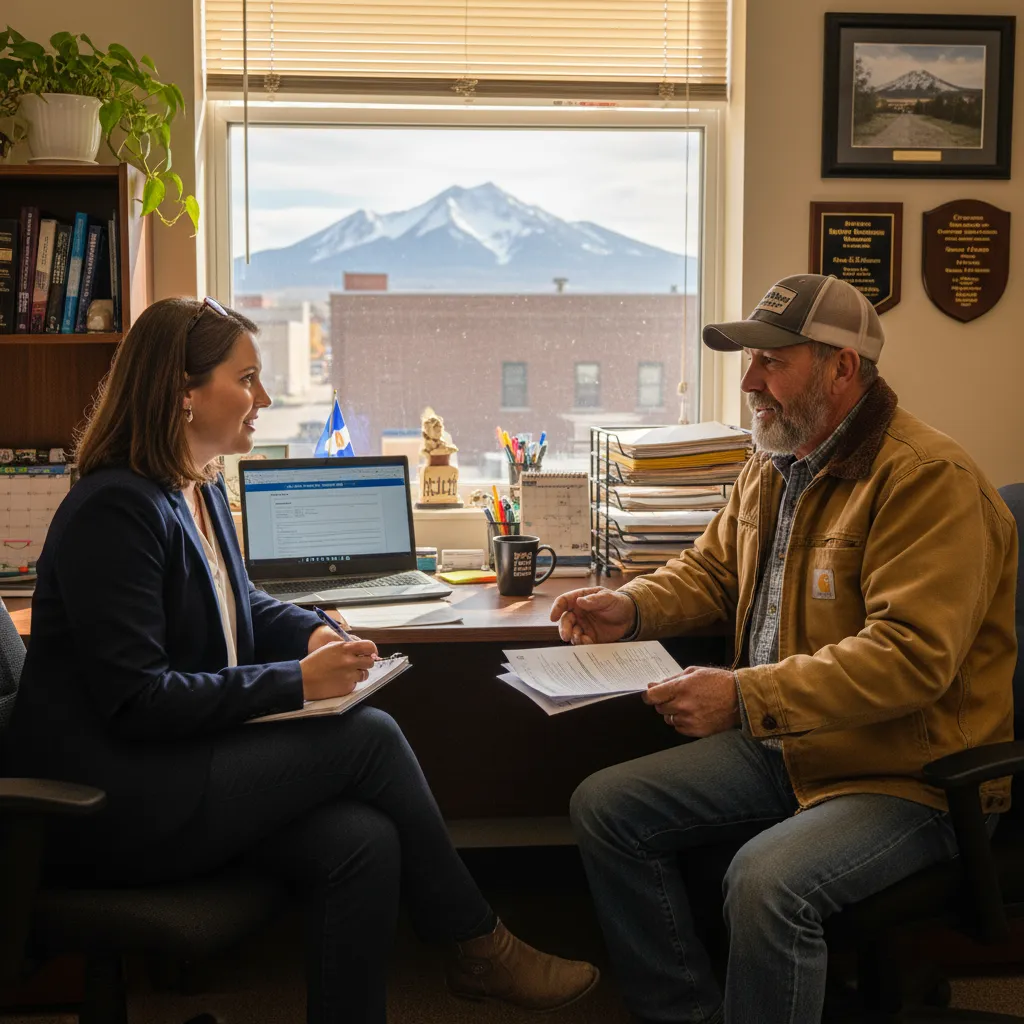
WHAT WORKERS' COMP ACTUALLY COSTS
Workers' comp premiums are calculated per $100 of payroll and vary dramatically by what your employees actually do. A Wyoming office worker might cost $0.50 to $2 per $100 of payroll, while an oil field worker could run $15 to $40+ per $100 of payroll due to injury risk. Colorado construction workers typically fall somewhere in between at $8 to $25 per $100 of payroll. If you have a $50,000 annual payroll for office staff, you're looking at $250-$1,000 yearly. That same $50,000 for oil field workers? Closer to $7,500-$20,000. Your actual cost depends on your industry classification code, total payroll, and claims history—businesses with fewer workplace injuries pay less over time.
WHAT AFFECTS YOUR WORKERS' COMP RATE
Your industry classification drives your base rate—Wyoming uses these codes to group similar businesses by injury risk. Oil and gas extraction, roofing, and logging pay the highest rates. Office work, retail, and professional services pay the lowest. Your claims history matters significantly after your first policy period. If three employees get hurt in two years, your rates will climb. Keep a safe workplace and your rates drop through an experience modification rate (your 'mod'). Business size also plays a role—larger payrolls sometimes qualify for better pricing, though small businesses can still get competitive rates by shopping among carriers and working with independent brokers who compare 20+ options.
GETTING THE RIGHT COVERAGE AT THE BEST PRICE
Don't shop on price alone—cheap workers' comp often means carriers that fight legitimate claims or drop you after one incident. Wyoming and Colorado both require coverage from day one of hiring, with serious penalties for operating without it (fines starting at $10,000 plus potential criminal charges). We compare carriers that actually serve Mountain West businesses well, looking at claims service quality, not just premium cost. Most business owners find savings by accurately classifying employees (don't pay construction rates for office staff), implementing safety programs that reduce injuries, and working with brokers who know which carriers prefer your specific industry. A local agent who understands Wyoming oil field cycles or Colorado seasonal construction work will get you better options than a generic online quote.
Looking for more FAQs?
While Workers' Comp covers most work-related incidents, there are common exclusions. Generally, injuries from non-work activities, pre-existing conditions not aggravated by work, injuries sustained while an employee is intoxicated, or intentionally self-inflicted harm are not covered. Understanding these specifics can help you manage workplace safety better.
Yes, in most cases, if you have employees, Workers' Compensation insurance is a legal requirement in both Wyoming and Colorado. It's not just about compliance; it protects your business from expensive lawsuits and ensures your employees are taken care of, fostering a safer and more secure work environment. Let's chat to confirm your specific requirements.
If an employee gets injured, they should report it to you immediately. You then need to report the injury to your Workers' Compensation insurance carrier within a specific timeframe, usually a few days. The insurer will review the claim and, if approved, cover the medical treatment and other benefits. We can guide you through every step if an injury occurs.
Workers' Compensation is designed to protect your employees if they suffer a work-related injury or illness. It typically covers medical expenses, a portion of lost wages if they can't work, and rehabilitation costs. This ensures your team gets the care they need without financial burden, and you are protected from direct legal costs.
Workers' Compensation and general liability cover different risks for your business. Workers' Comp specifically covers injuries or illnesses to your employees that occur on the job. General liability, on the other hand, protects your business from claims of bodily injury or property damage that you or your employees cause to third parties, like customers or vendors. You often need both for comprehensive protection.
The cost of Workers' Compensation insurance can vary significantly. Factors like your industry, total payroll, and claims history all play a role. For example, businesses in high-risk sectors like the oil fields might see higher premiums due to the nature of the work. For a personalized quote, give us a call with your business details!