
EMPLOYER'S LIABILITY THAT PROTECTS YOUR BUSINESS FROM EMPLOYEE LAWSUITS
Mountain West businesses face workplace injury lawsuits that workers' compensation doesn't cover—when injured employees' families sue for loss of companionship, when equipment manufacturers sue you for poor maintenance, when dual-capacity claims pierce the exclusive remedy protection you thought you had. As an independent brokerage serving Wyoming, Colorado, Utah, and Montana employers since 1990, we compare 20+ carriers to structure employer's liability coverage that actually fills the gaps left by standard workers' comp—not generic policies that leave you exposed to six-figure legal bills when employees or their families sue beyond the workers' compensation system. We're local business advocates who answer the phone, understand Mountain West industries from oil fields to construction to manufacturing, and make sure the coverage bundled invisibly into your workers' comp policy actually protects you when lawsuits happen.

COMPREHENSIVE EMPLOYER'S LIABILITY PROTECTION
Legal defense coverage that stands between your business and catastrophic lawsuit exposure

UNDERSTANDING YOUR ACTUAL LAWSUIT EXPOSURE
Most Mountain West business owners believe workers' compensation provides complete protection from employee injury lawsuits—but that's dangerously incomplete. While workers' comp does provide exclusive remedy protection in many situations, courts across Wyoming, Colorado, Utah, and Montana have carved out significant exceptions that expose employers to direct lawsuits: spouses suing for loss of consortium when catastrophic injuries destroy marriages, equipment manufacturers suing employers for indemnification after injured workers sue them for defective products, dual-capacity claims when your business occupies multiple roles (manufacturer and employer, property owner and employer), and consequential injury lawsuits when family members suffer physical harm from witnessing or dealing with the employee's workplace injury. We've seen Wyoming construction companies sued by equipment manufacturers for $250,000 in indemnification claims after scaffold failures, Colorado manufacturing employers facing $500,000 loss of consortium lawsuits from spouses of permanently disabled workers, and oil field operations in Utah defending $150,000 third-party-over actions from safety consulting firms trying to shift liability downstream. These aren't theoretical risks—they're real lawsuits happening to Mountain West businesses right now, and without proper employer's liability coverage, you're paying defense costs and settlements from your operating budget. We structure employer's liability protection by analyzing your specific industry exposures (construction faces different lawsuit patterns than manufacturing or oil field operations), your contractual indemnification obligations with general contractors and clients, your state's legal environment (some Mountain West jurisdictions have broader exceptions to exclusive remedy than others), and your equipment and third-party relationships that create potential indemnification exposures—ensuring your coverage actually responds when the exclusive remedy doctrine fails to protect you from employee-related lawsuits.
COVERAGE LIMITS CUSTOMIZED TO YOUR EXPOSURE
Standard employer's liability limits of $100,000 per accident haven't changed in decades, but legal costs, settlement amounts, and jury awards have increased dramatically—meaning many Mountain West businesses are catastrophically underinsured without realizing it. A single third-party-over claim defense can cost $100,000 to $300,000 in legal fees alone before you even reach settlement discussions, a loss of consortium lawsuit from the spouse of a permanently disabled employee can settle for $250,000 to $750,000 depending on injury severity and family circumstances, and dual-capacity product liability claims can exceed $1 million when employees are injured by products your company manufactures or distributes. Yet the cost to upgrade from standard $100,000/$500,000/$100,000 limits to $500,000/$500,000/$500,000 is typically only 0.8 percent of your total workers' compensation premium—on a $50,000 annual workers' comp policy, that's about $400 per year to quintuple your legal defense protection, or roughly $33 monthly to protect against lawsuits that could easily cost ten to twenty times that amount. We customize employer's liability limits by analyzing your specific risk profile: construction and manufacturing operations with complex equipment and multiple third-party relationships typically need $500,000 to $1 million limits due to high indemnification exposure, businesses operating under general contractor agreements that impose specific insurance requirements need limits that match contractual obligations, companies in litigation-friendly jurisdictions like Colorado's Front Range or Utah's Wasatch Front face higher settlement environments requiring higher limits, and employers with older workforces or physically demanding jobs face elevated loss of consortium risk when catastrophic injuries occur. For example, a Fort Collins electrical subcontractor working for large general contractors might need $1 million employer's liability limits to satisfy contract requirements and protect against third-party-over claims when electrical equipment failures injure employees, while a Casper office-based professional services firm with minimal equipment and low physical risk might be adequately protected with upgraded $500,000 limits—the key is matching your coverage to your actual lawsuit exposure, not defaulting to decades-old standard limits that leave dangerous gaps.
Local expertise matters
Independent agency committed to providing transparent, straightforward insurance solutions for Wyoming and Northern Colorado residents.
REAL EMPLOYER LIABILITY RISKS, REAL LEGAL PROTECTION
Coverage that stands between workplace injuries and catastrophic lawsuit exposure
When Equipment Manufacturers Sue You After Employee Injuries
Your construction employee is injured when scaffolding collapses at a Colorado job site, suffers serious fractures requiring surgery and months of recovery, and files a workers' compensation claim that your carrier pays covering all medical costs and wage replacement as required by law. However, the employee also sues the scaffolding manufacturer for product liability, alleging defective design and inadequate safety warnings contributed to the collapse. The manufacturer, facing substantial liability and potential damages exceeding $500,000, investigates the incident thoroughly and discovers that your company failed to inspect the scaffolding according to manufacturer specifications, failed to properly train the employee on assembly procedures, and modified the scaffolding in ways that voided the manufacturer's safety certifications. The manufacturer files a third-party complaint against your company seeking indemnification for the entire judgment, arguing that your negligent maintenance and training failures—not product defects—actually caused the collapse and resulting injuries. Your general liability policy explicitly excludes employee injury claims, and workers' compensation only covers benefits to the injured worker, leaving a massive coverage gap for this manufacturer indemnification lawsuit that could cost $150,000 in legal defense fees plus settlement or judgment amounts that could reach $300,000 to $500,000. Many construction and manufacturing employers don't realize their general liability won't defend them in these third-party-over scenarios, discovering only when sued that they have no coverage for equipment manufacturer indemnification claims arising from employee injuries—forcing them to pay defense costs and potential settlements from operating capital that could threaten business viability. We structure employer's liability coverage that specifically addresses third-party-over indemnification exposure, with limits of $500,000 to $1 million per occurrence appropriate for construction and manufacturing operations, clear understanding of how the coverage coordinates with your general liability policy to avoid gaps, and experienced claims support that ensures proper defense when manufacturers or other third parties sue you for contribution or indemnification after your employees sue them—turning a potentially business-threatening lawsuit into an insurance-covered claim that your carrier defends and pays.
When Catastrophic Injuries Lead to Family Lawsuits
Your employee suffers a severe workplace injury—permanent paralysis from a fall, traumatic brain injury from equipment failure, or death from a Wyoming oil field accident—and your workers' compensation carrier pays all required benefits including lifetime medical care, permanent total disability payments, and death benefits to surviving family members as required by state law. However, six months later you're served with a lawsuit from the injured employee's spouse alleging loss of consortium—seeking damages for loss of companionship, loss of household services, loss of sexual relations, and emotional distress caused by witnessing their partner's catastrophic injury and subsequent permanent disability. Unlike workers' compensation benefits which go to the injured worker, loss of consortium damages flow to the spouse as compensation for harm the spouse suffered, and many Mountain West states recognize this as a valid cause of action that bypasses the exclusive remedy protection of workers' compensation—meaning the spouse can sue you directly in civil court seeking damages that workers' comp doesn't cover. Loss of consortium lawsuits in catastrophic injury cases typically seek $250,000 to $1 million in damages depending on the employee's age, family situation, pre-injury relationship quality, and severity of disability, with settlement negotiations frequently resulting in payouts of $300,000 to $750,000 even when employer negligence wasn't egregious—simply because courts recognize that catastrophic workplace injuries genuinely destroy marriages and family relationships in ways that merit compensation beyond what injured workers themselves receive. Without adequate employer's liability coverage, you're facing this entire exposure from your own business assets—defending a lawsuit that could cost $100,000+ in legal fees before settlement discussions even begin, potentially paying settlements that could exceed your entire annual profit, and experiencing the stress and operational disruption of litigation that can last 18 to 36 months from filing through resolution. We structure employer's liability coverage with limits appropriate for your catastrophic injury exposure—typically $500,000 to $1 million for businesses in physically demanding industries where severe injuries are possible—ensuring that loss of consortium lawsuits are covered claims rather than business-threatening legal expenses, providing access to experienced defense attorneys who understand loss of consortium law in your state, and supporting you throughout the litigation process rather than leaving you alone to navigate complex family injury claims that your general liability policy won't touch.
When Your Business Occupies Multiple Roles
You operate a manufacturing business in northern Colorado that produces safety equipment sold to other employers, and one of your own employees is injured using a piece of equipment your company manufactured—suffering serious injuries when the equipment fails during normal use. The employee files a workers' compensation claim which your carrier pays, but then also files a product liability lawsuit against your company alleging defective design and manufacturing that caused the injury, seeking damages for pain and suffering, permanent disability, lost future earning capacity, and punitive damages—all elements unavailable under workers' compensation but potentially available under product liability law. Your attorney informs you that Colorado recognizes the dual-capacity doctrine, which holds that when an employer occupies a relationship to the employee beyond that of employer—such as acting as a manufacturer of products the employee uses—the exclusive remedy protection of workers' compensation may not apply, allowing the employee to sue you as a product manufacturer even though the injury occurred during employment. This dual-capacity exposure is particularly acute for businesses that manufacture equipment, provide professional services to their own employees, maintain properties where employees work, or supply products that employees use—creating situations where the employer's negligence relates to a role entirely separate from the employer-employee relationship and courts allow tort lawsuits that would normally be barred. Dual-capacity claims can involve enormous exposure because product liability and professional malpractice lawsuits permit much broader damage recovery than workers' compensation—a product liability judgment could easily reach $500,000 to $2 million in a serious injury case involving permanent disability, and your standard $100,000 employer's liability limits would be catastrophically inadequate to defend and settle such claims. Many manufacturing and professional services businesses operating in Mountain West states with dual-capacity doctrine recognition (including Colorado and Utah) don't realize they have this additional lawsuit exposure beyond standard workers' compensation, discovering only after being sued that their insurance coverage is inadequate for the actual legal claims being asserted. We identify dual-capacity exposure during our analysis of your business operations—if you manufacture products employees use, if you provide medical or professional services to employees, if you own properties where employees work in ways unrelated to their employment—and structure employer's liability limits of $1 million or higher when dual-capacity risk exists, ensuring you have adequate coverage for product liability or professional liability claims that arise from employee injuries where courts recognize your company occupied multiple legal roles beyond just employer.
When Coverage Limits Prove Inadequate Mid-Lawsuit
Your Wyoming oil field services company is sued by an equipment manufacturer seeking indemnification after your employee's injury, the manufacturer's attorney is demanding $400,000 in settlement, and you suddenly discover your employer's liability coverage has only the standard $100,000 per accident limit—meaning even if the insurance company pays the full policy limit, you're personally exposed to $300,000 in uncovered settlement or judgment that could force you to liquidate business assets, take out loans against your home, or potentially face bankruptcy if the lawsuit proceeds to judgment. You assumed your workers' compensation policy provided adequate legal protection, you never reviewed the employer's liability component specifically, and your previous agent never mentioned that limits could be increased or that your industry and contractual situation created exposures that standard limits don't adequately address—leaving you facing business-threatening financial exposure that could have been prevented for approximately $500 annually in additional premium. Without an independent agent advocating for you during this lawsuit, you're navigating multiple challenges simultaneously: communicating with defense attorneys who are managing the litigation, negotiating with the insurance carrier whose $100,000 policy limit creates pressure to settle for amounts that still leave you substantially exposed, potentially hiring your own coverage counsel to fight for maximum insurance protection, dealing with the equipment manufacturer's aggressive attorney who knows your coverage limits and is demanding amounts designed to maximize your out-of-pocket exposure, and trying to continue operating your business while facing financial and legal stress that threatens everything you've built. We coordinate employer's liability claims from the moment lawsuits are filed—reviewing the claim against your policy to confirm coverage applies, ensuring your carrier assigns experienced defense counsel appropriate for your industry and lawsuit complexity, monitoring defense strategy and settlement negotiations to ensure your interests are protected not just the carrier's claim closure goals, identifying when policy limits are inadequate and coordinating with umbrella carriers or exploring other coverage sources, and if necessary advocating with the carrier for maximum policy limit contribution or fighting coverage disputes when carriers try to deny or minimize valid claims. When you carry adequate employer's liability limits from the beginning—which we recommend based on your specific industry exposures and contractual obligations—you avoid the nightmare scenario of mid-lawsuit discovery that your coverage is inadequate, instead having confidence that legal defense costs and reasonable settlements will be covered without forcing you to choose between your business's survival and financial exposure from employee-related lawsuits. Beyond claims support, we review your employer's liability coverage during every renewal, proactively recommending limit increases when your business grows, when you take on new contractual obligations, when you expand into additional states, or when your industry's litigation environment changes—ensuring your coverage evolves with your risk rather than remaining static while your exposure increases.
EMPLOYER'S LIABILITY INSIGHTS THAT PROTECT YOUR BUSINESS
Practical knowledge to guide your legal protection strategy
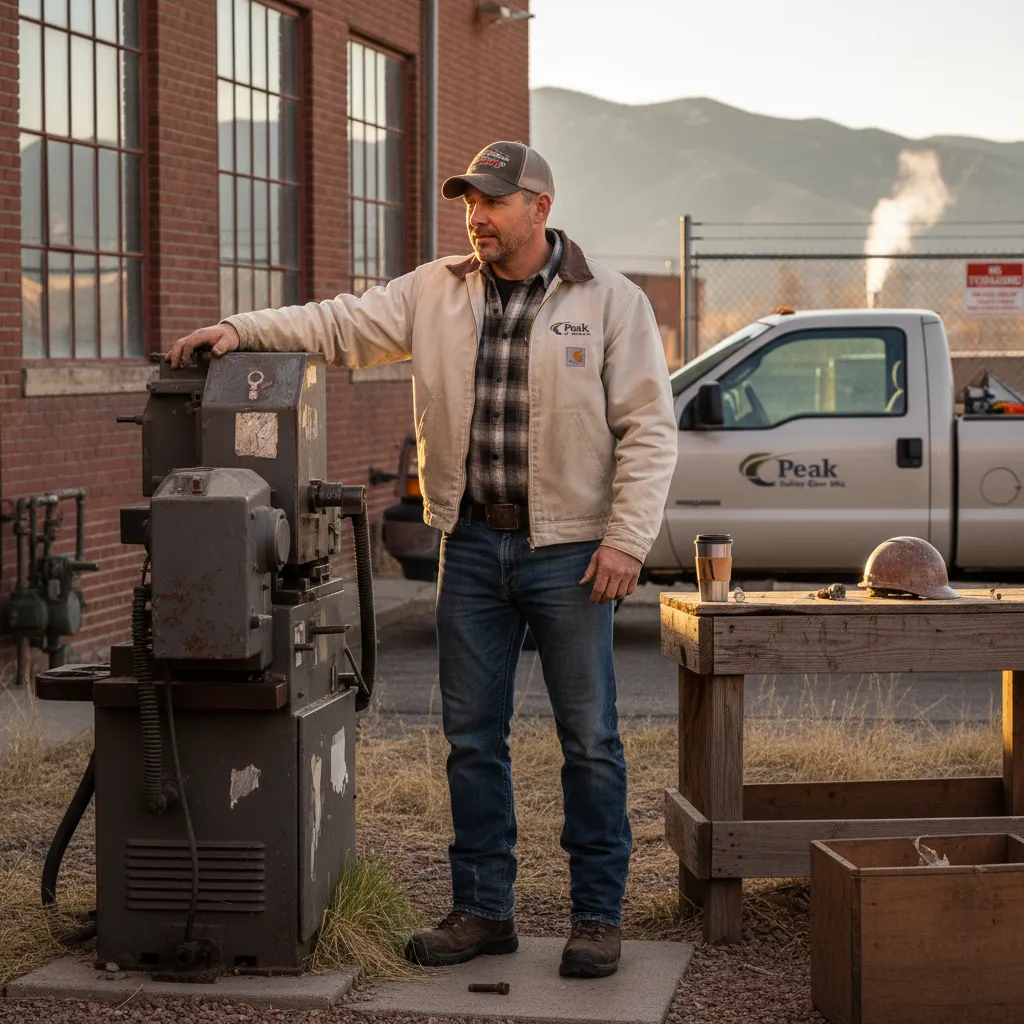
Understanding Third-Party-Over Claims in Construction
Why construction and manufacturing businesses face the highest third-party-over lawsuit exposure—covering how equipment failures trigger employee lawsuits against manufacturers who then sue employers for indemnification, which contractual indemnification provisions create additional exposure, how to structure employer's liability coverage to address these complex multi-party claims, and what defense strategies work when you're caught between an injured employee and an equipment manufacturer both seeking to shift liability to your company.

Upgrading Employer's Liability Limits: The Cost-Benefit Analysis
Breaking down the actual cost to increase employer's liability coverage from standard $100,000 limits to $500,000 or $1 million—including real premium calculations showing that massive limit increases cost less than 1.5 percent additional workers' comp premium, which industries and business situations justify higher limits, how to evaluate your specific lawsuit exposure based on your industry and operations, and why this represents one of the highest-value insurance upgrades available to Mountain West business owners concerned about legal exposure.
COVERAGE FOR EVERY BUSINESS STAGE
Startup Employer
Just launched your business with a small team? Standard employer's liability coverage (automatically included with your workers' comp policy in most states) provides basic legal protection against employee-related lawsuits while keeping insurance costs manageable during your startup phase. We ensure you understand what employer's liability covers—third-party-over claims, loss of consortium lawsuits, dual-capacity exposure—and confirm standard limits are adequate for your initial operations before considering upgrades as you grow and add risk.
Growing Business
Expanding your workforce and taking on larger projects? You're likely working with more third-party contractors and equipment suppliers, signing contracts with indemnification provisions, hiring less-experienced employees who have higher injury risk, and facing increased legal exposure as your operations scale. We review employer's liability limits and typically recommend upgrading from standard $100,000 to $500,000 per occurrence as your business grows—providing substantially more legal protection for minimal additional premium as your third-party relationships and contractual obligations expand.
Established Company
Running a mature operation with significant revenue and multiple projects or locations? You're likely operating under general contractor agreements that impose specific insurance requirements, working with complex equipment and supply chains that create indemnification exposure, and have accumulated business assets that need protection from lawsuit judgments. We structure employer's liability coverage at $500,000 to $1 million per occurrence based on your contractual requirements and industry exposure, coordinate with umbrella liability policies that may require minimum underlying limits, and ensure your legal protection scales with your company's value and lawsuit exposure.
Succession Planning
Preparing to transition ownership or sell your business? You're thinking about legacy protection, ensuring liability claims don't emerge during ownership transition, and protecting the company value you've built over decades. We review employer's liability coverage to ensure adequate protection through the succession period, verify that your experience modification rate and claims history position your successor for good workers' comp rates, and structure coverage that provides continuity of legal protection through ownership changes—safeguarding your legacy from workplace injury lawsuits that could emerge during transition periods.
FAQs
While Workers' Comp covers most work-related incidents, there are common exclusions. Generally, injuries from non-work activities, pre-existing conditions not aggravated by work, injuries sustained while an employee is intoxicated, or intentionally self-inflicted harm are not covered. Understanding these specifics can help you manage workplace safety better.
If an employee gets injured, they should report it to you immediately. You then need to report the injury to your Workers' Compensation insurance carrier within a specific timeframe, usually a few days. The insurer will review the claim and, if approved, cover the medical treatment and other benefits. We can guide you through every step if an injury occurs.
Workers' Compensation and general liability cover different risks for your business. Workers' Comp specifically covers injuries or illnesses to your employees that occur on the job. General liability, on the other hand, protects your business from claims of bodily injury or property damage that you or your employees cause to third parties, like customers or vendors. You often need both for comprehensive protection.
The cost of Workers' Compensation insurance can vary significantly. Factors like your industry, total payroll, and claims history all play a role. For example, businesses in high-risk sectors like the oil fields might see higher premiums due to the nature of the work. For a personalized quote, give us a call with your business details!
Yes, in most cases, if you have employees, Workers' Compensation insurance is a legal requirement in both Wyoming and Colorado. It's not just about compliance; it protects your business from expensive lawsuits and ensures your employees are taken care of, fostering a safer and more secure work environment. Let's chat to confirm your specific requirements.
Workers' Compensation is designed to protect your employees if they suffer a work-related injury or illness. It typically covers medical expenses, a portion of lost wages if they can't work, and rehabilitation costs. This ensures your team gets the care they need without financial burden, and you are protected from direct legal costs.