
LIABILITY COVERAGE THAT PROTECTS YOUR BOATING ASSETS
Mountain West lakes and reservoirs present unique liability risks—from wake damage lawsuits in crowded Wyoming marinas to serious collision claims on busy Colorado lakes where court judgments can exceed $1 million. As an independent brokerage serving Wyoming, Colorado, Utah, and Montana, we compare 20+ carriers to find boat and PWC liability coverage that shields your personal assets from lawsuits, medical bills, and property damage claims—with limits appropriate for your vessel's power and how you actually use it on the water. We're local boaters ourselves who answer the phone, explain coverage in plain English, and make sure you're protected from the financial devastation that follows serious boating accidents.
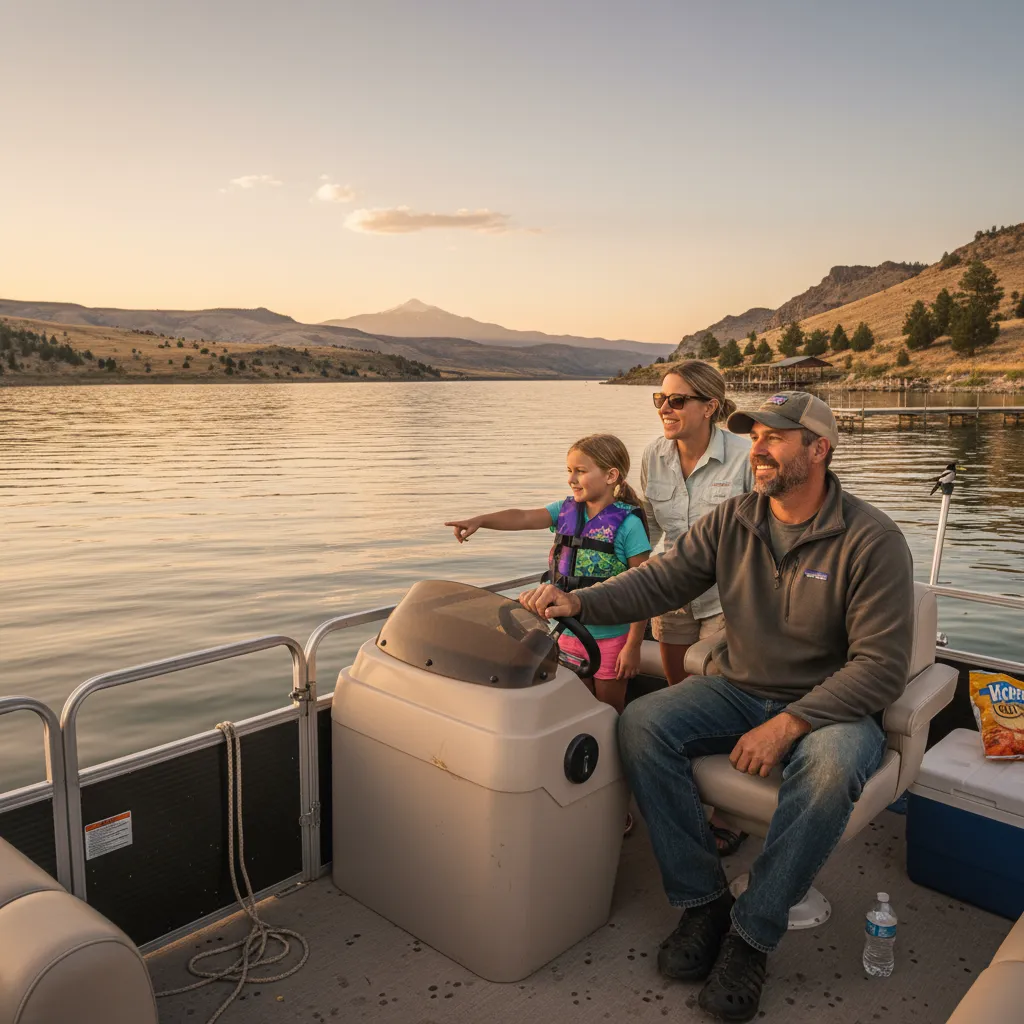
COMPREHENSIVE BOAT LIABILITY PROTECTION
Protection that shields your assets when accidents result in injuries or property damage
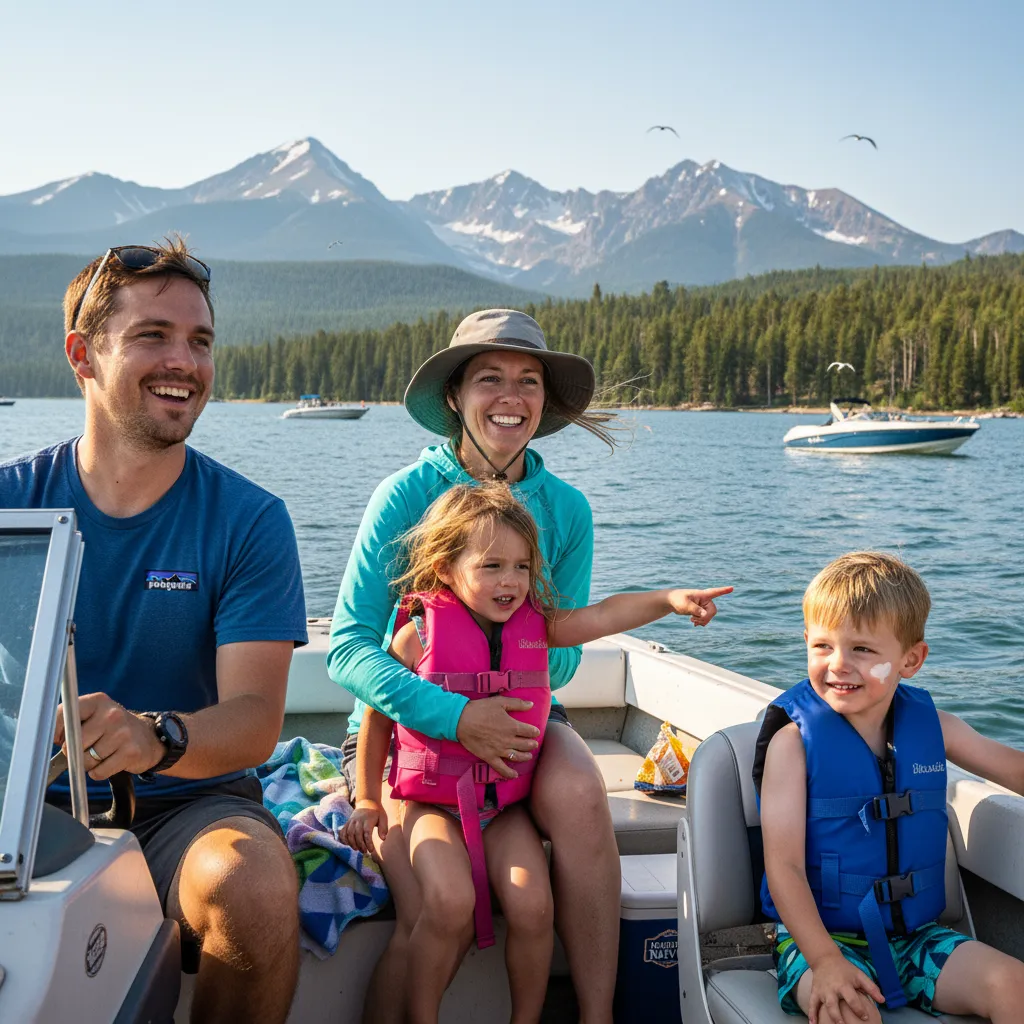
UNDERSTANDING MOUNTAIN WEST BOATING RISKS
Mountain West boating presents liability scenarios most national insurance companies don't fully appreciate—wake damage lawsuits on Wyoming's reservoir systems where large boats create wakes that capsize smaller fishing boats, collision claims on crowded Colorado lakes during peak summer weekends when hundreds of boats converge on limited water space, property damage to expensive docks and marina infrastructure at Utah's growing lakeside communities, and serious injury claims when water sports accidents occur at high altitude where medical complications are more common and evacuation costs to distant trauma centers can exceed $50,000. We've handled hundreds of boating liability claims across the Mountain West, and we know exactly where standard liability policies fall short: coverage limits of $100,000-$300,000 that prove catastrophically inadequate when serious injuries result in million-dollar lawsuits, property damage coverage that doesn't account for the high cost of repairing modern composite boats and waterfront structures in remote locations where contractors charge premium rates, and medical payment limits that run out quickly when helicopter evacuation from remote Wyoming lakes is required. We structure boat liability coverage specifically calibrated for Mountain West boating conditions—with bodily injury limits of $300,000-$500,000 or higher for owners of powerful boats that can cause serious damage, property damage coverage appropriate for the marina facilities and expensive boats you're likely to encounter, and coordination with umbrella liability policies that protect accumulated assets when claims exceed your boat policy limits.
COVERAGE CALIBRATED TO YOUR VESSEL
Generic boat liability policies treat all watercraft the same, but a 16-foot fishing boat with a 40-horsepower motor creates completely different liability exposure than a 28-foot performance boat with twin 300-horsepower engines capable of pulling multiple wakeboarders—and your coverage limits and premiums should reflect those fundamental differences in risk. We customize liability coverage by analyzing your specific vessel characteristics and use patterns: boat size, horsepower, and performance capabilities (high-performance boats that can create large wakes and cause greater collision damage require higher liability limits), how you use your vessel (weekend fishing on quiet Wyoming reservoirs versus regular water sports on busy Colorado lakes with multiple passengers), whether you operate in crowded marinas and high-traffic areas where collision and wake damage risks are elevated, your personal net worth and assets that could be seized in a lawsuit that exceeds policy limits, and whether you own a personal watercraft which historically has higher accident rates and requires specialized liability considerations. For example, we might recommend $500,000 in liability coverage for an owner of a powerful wakeboard boat who regularly tows riders on busy Utah lakes and has significant home equity and retirement assets to protect, coordinate umbrella liability coverage of $1-2 million for boat owners with substantial accumulated wealth that could be exposed in catastrophic injury lawsuits, and structure appropriate but affordable coverage for owners of smaller fishing boats who operate in low-traffic areas and have modest asset exposure—ensuring you're neither underinsured for your actual risk profile nor overpaying for coverage irrelevant to how you boat. The result is liability protection matched to YOUR vessel's damage potential, YOUR typical boating environment, and YOUR financial situation—not generic coverage that either leaves you exposed or costs more than necessary.
Local expertise matters
Independent agency committed to providing transparent, straightforward insurance solutions for Wyoming and Northern Colorado residents.
REAL BOATING LIABILITY RISKS, REAL PROTECTION
Liability coverage that stands between boating accidents and financial devastation
When Your Wake Capsizes Another Boat
You're cruising across a Wyoming reservoir on a beautiful summer afternoon in your 26-foot wakeboard boat, running at moderate speed in open water well outside any no-wake zone, when your wake reaches a small fishing boat 200 yards away and capsizes it—throwing the two elderly occupants into the water where one suffers a head injury requiring helicopter evacuation and extensive hospitalization. Wake damage represents one of the most common and legally clear-cut boating liability scenarios because courts have consistently ruled that boat operators are strictly liable for damage caused by their vessel's wake regardless of where the wake occurs or whether the operator believed the wake would cause damage—meaning you will almost certainly be held liable for all resulting injuries and property damage. The financial exposure in serious wake capsizing cases proves catastrophic—medical expenses for the injured party can easily reach $150,000-$300,000 including helicopter evacuation ($25,000-$50,000), trauma center treatment, hospitalization, and ongoing rehabilitation, property damage to the capsized boat and lost equipment adds $10,000-$30,000, and pain and suffering claims often push total judgments to $500,000-$1,000,000 or more depending on injury severity and the victim's age and occupation. Many boat owners discover their $100,000 or $300,000 liability coverage is catastrophically inadequate for serious wake injury cases, leaving them personally liable for hundreds of thousands in excess judgments that can result in wage garnishment, forced sale of homes and assets, and bankruptcy. We structure wake liability protection with bodily injury limits of at least $300,000-$500,000 for any boat capable of creating substantial wakes, coordinate umbrella liability coverage of $1-2 million for boat owners with significant assets to protect, ensure property damage coverage accounts for the expensive boats you're likely to encounter on Mountain West lakes, and provide immediate claims support to document circumstances and manage communications when wake incidents occur—protecting you from the strict liability framework that makes wake damage one of the most financially dangerous boating exposures.
When Collisions Cause Serious Injuries
You're returning to the marina at dusk on a busy Colorado lake during Fourth of July weekend, visibility is reduced by fading light and glare from the setting sun, and you don't see a small aluminum fishing boat until your boat strikes it at 20 mph—seriously injuring two people aboard the other vessel who require immediate emergency care, extensive medical treatment, and months of rehabilitation for orthopedic injuries and potential permanent disability. Boating collisions that result in serious injuries represent the highest-liability scenarios boat owners face, with medical expenses, lost wages, pain and suffering, and permanent disability claims often exceeding $1,000,000 when multiple victims suffer life-altering injuries—and courts routinely find boat operators negligent when collisions occur in congested areas, during periods of reduced visibility, or when the operator failed to maintain proper lookout as required by navigational rules. The liability exposure extends far beyond immediate medical costs to include years of ongoing treatment ($200,000-$500,000 in medical expenses for serious orthopedic injuries requiring surgery and rehabilitation), lost wages and future earning capacity for victims who cannot return to work ($300,000-$800,000 depending on age and occupation), pain and suffering awards that typically equal or exceed economic damages, and your own legal defense costs ($50,000-$150,000 even if you ultimately prevail) which your liability coverage must pay in addition to any judgment. Most recreational boat owners carry $100,000-$300,000 in liability coverage assuming that's adequate, discovering only after a catastrophic collision that serious injury claims routinely exceed these limits by $500,000-$1,000,000 or more—leaving them personally exposed to judgments that can destroy financial security built over decades. We structure collision liability protection appropriate for your boat's size and power—recommending minimum $500,000 limits for any boat over 24 feet or with engines exceeding 200 horsepower, coordinating umbrella liability policies of $1-2 million for boat owners with substantial homes, retirement accounts, and other assets that creditors can seize to satisfy excess judgments, and ensuring medical payments coverage provides immediate compensation to injured parties which can reduce lawsuit likelihood for moderate injuries—protecting you from the catastrophic financial exposure inherent in operating powerful watercraft in congested recreational environments.
When Marina Property Damage Occurs
You're approaching your slip at a busy Utah marina, misjudge your angle and speed in gusty wind conditions, and your boat strikes the dock—causing $30,000 in damage to dock infrastructure and another $45,000 in damage to two neighboring boats that were crushed against pilings by the impact. Marina and docking accidents represent extremely common liability scenarios that boat owners often underestimate until confronted with repair estimates for modern composite boats and marina infrastructure—discovering that even seemingly minor impacts can result in property damage claims exceeding $50,000-$100,000 when multiple boats are damaged or when dock structural repairs and underwater piling work are required. The cost of repairing modern fiberglass and composite boats has increased dramatically, with even cosmetic gelcoat damage and minor hull repairs often costing $5,000-$15,000 per boat, structural repairs to damaged hulls or stringers reaching $20,000-$50,000, and total loss determinations common for older boats where repair costs exceed the vessel's value—meaning a single docking accident affecting multiple boats can generate $50,000-$150,000 in property damage claims. Additionally, marina infrastructure repairs prove surprisingly expensive, with dock reconstruction including pilings, decking, and electrical systems often costing $15,000-$30,000 per damaged section, underwater structural assessments and piling replacement requiring specialized marine contractors who charge premium rates, and marina operators routinely pursuing full repair costs plus business interruption losses if damaged slips cannot be rented during repairs. Most boat owners maintain $100,000 or less in property damage liability coverage, not realizing that a single marina accident affecting multiple boats and dock infrastructure can easily exceed these limits—leaving them personally liable for repair costs beyond policy limits. We structure property damage liability with limits of at least $300,000 for boat owners who use busy marinas or operate larger vessels capable of causing substantial damage, ensure coverage applies to marina infrastructure including docks, pilings, and other fixed structures, verify that borrowed or rented watercraft operation is covered under your liability policy, and provide immediate claims support to document marina accidents properly—protecting you from property damage exposure that can reach $100,000-$200,000 in serious docking or marina collision incidents.
When Water Sports Accidents Lead to Lawsuits
You're towing your nephew wakeboarding on a Wyoming lake, he falls awkwardly during a jump attempt and suffers a severe knee injury requiring surgery and months of rehabilitation, and despite your family relationship he files a liability claim seeking $200,000 for medical expenses, lost wages from missing a seasonal job, and ongoing treatment for what may be a permanent partial disability. Water sports liability represents a particularly complex exposure because you assume responsibility for the safety of people you're towing, courts have held boat operators liable for injuries resulting from inadequate spotting, improper towing technique, or operating in unsafe conditions, and even family relationships don't prevent liability claims when injuries are serious and medical bills accumulate into six figures. Water sports injuries generate substantial medical costs—knee reconstructions and rotator cuff repairs from wakeboarding and water skiing falls cost $30,000-$80,000 in surgical and rehabilitation expenses, head and spinal injuries from high-speed falls can exceed $200,000-$500,000 in immediate treatment plus ongoing care, broken bones and orthopedic injuries requiring surgery and physical therapy typically cost $25,000-$60,000, and lost wages and diminished earning capacity claims add substantially when young workers miss months of seasonal employment or cannot return to physical labor. Many boat owners mistakenly believe their liability coverage won't apply to family members or friends who are injured while being towed, or assume that participants who voluntarily engage in water sports cannot sue for injuries—but courts have consistently held that liability coverage applies to guest injuries and that assumption of risk defenses often fail when operator negligence contributed to the accident through excessive speed, inadequate observation, or towing in unsafe conditions. Additionally, personal watercraft used for towing present elevated liability exposure because PWCs' maneuverability and speed capabilities can result in whiplash injuries and more violent falls compared to traditional boats. We structure water sports liability protection by ensuring adequate bodily injury limits of $300,000-$500,000 when you regularly tow skiers, wakeboarders, or tubers, verify that your policy covers injuries to passengers and people being towed (some policies exclude or limit coverage for these scenarios), add medical payments coverage of $5,000-$10,000 per person which provides immediate compensation for participant injuries without requiring liability determinations, and provide claims guidance when water sports accidents occur—protecting you from the substantial liability exposure that accompanies one of the most popular but legally complex boating activities in the Mountain West.
BOATING LIABILITY INSIGHTS THAT MATTER
Practical knowledge to guide your boat liability protection decisions
Understanding Wake Liability Laws in the Mountain West
How courts have consistently ruled that boat operators are strictly liable for damage caused by their wake regardless of location or whether damage was foreseeable—including why you're responsible even in open water outside no-wake zones, what specific cases have established wake liability precedent in Mountain West jurisdictions, and how to reduce wake damage risk through speed management and awareness of surrounding vessels even when legally operating.
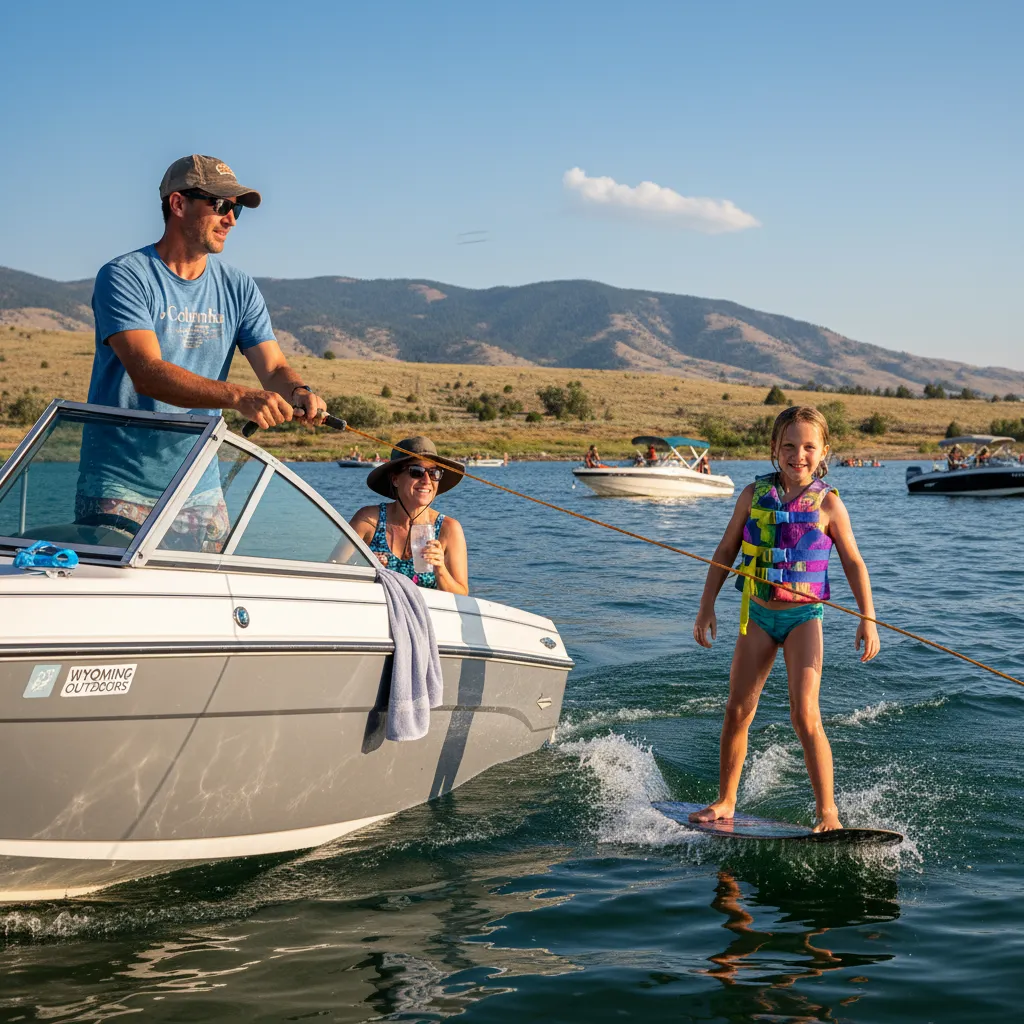
Should You Carry Umbrella Coverage for Your Boat?
Why boat liability limits of $100,000-$300,000 prove inadequate for serious injury and wake capsizing cases, how umbrella liability policies provide $1-2 million in additional protection across all your personal liability exposures including boating, when umbrella coverage becomes essential based on your net worth and boat characteristics, and what umbrella policies actually cost (often $200-400 annually for $1 million in coverage making them surprisingly affordable asset protection).
COVERAGE FOR EVERY BOATING STAGE
First-Time Boat Owner
Just bought your first boat? Your priority is essential liability protection that covers the most common scenarios—collisions with other boats, property damage to docks and marina facilities, and injuries to passengers or other boaters caused by your operation—at affordable premiums while you're building boating experience. We structure basic liability coverage of $100,000-$300,000 appropriate for smaller boats and lower-power vessels, ensuring you meet marina insurance requirements if you're renting slip space, and providing medical payments coverage for guest injuries—giving you fundamental protection as you learn responsible boat operation.
Growing Boater
Upgraded to a more powerful boat or started doing water sports? You're now operating a vessel capable of creating larger wakes, towing skiers or wakeboarders which creates additional liability exposure, spending more time on busier lakes during peak season when collision risk is elevated, and your boat's higher value means you're likely encountering more expensive vessels where property damage claims can be substantial. We expand liability coverage to $300,000-$500,000 reflecting your boat's increased damage potential, verify that your policy covers water sports towing injuries, add higher medical payments limits for passengers being towed, and begin coordinating with umbrella liability coverage as your assets grow—protecting you as your boating becomes more serious and your liability exposure increases.
Experienced Boater
Operating a large or high-performance boat with substantial horsepower? You're piloting a vessel capable of causing serious damage in accidents, creating wakes that can capsize smaller boats, hosting multiple passengers which increases your responsibility for their safety, and you've accumulated significant home equity and assets that creditors can seize if liability claims exceed your boat insurance limits. We structure comprehensive liability protection of $500,000 or higher for powerful boats, coordinate umbrella liability policies of $1-2 million to protect accumulated wealth from catastrophic injury judgments, ensure property damage coverage accounts for the expensive boats and marina infrastructure you operate near, and provide proactive review of liability limits as your assets grow—ensuring serious liability claims don't destroy financial security built over decades.
Multiple Watercraft Owner
Own multiple boats or personal watercraft for different purposes? You're managing liability exposure across several vessels with different use patterns and risk profiles—perhaps a fishing boat, a wakeboard boat, and a PWC, each operated by different family members with varying experience levels—requiring coordinated coverage that efficiently protects all watercraft without unnecessary premium duplication. We structure liability coverage that protects all owned watercraft under coordinated policies, ensure coverage extends to family members and authorized operators of each vessel, verify that liability limits are appropriate given that multiple boats increase your overall exposure to claims, and coordinate umbrella coverage that extends across all watercraft and your other personal liability exposures—providing comprehensive protection for boat owners who have multiple vessels and more complex insurance needs.
FAQs
When insuring your boat, you generally have two main valuation options. "Actual Cash Value" (ACV) coverage pays out the replacement cost of your boat or parts, minus depreciation, meaning the payout will reflect its current market value, not what you originally paid for it. "Agreed Value" coverage, on the other hand, means you and your insurer agree on a specific value for your boat at the start of the policy, and that's the fixed amount you'll receive if it's declared a total loss, regardless of depreciation. For newer or custom vessels, Agreed Value often provides greater peace of mind. We can help you decide which option best fits your boat and budget.
While boat and personal watercraft insurance isn't always legally mandated everywhere, it's a crucial investment for peace of mind, especially when enjoying Wyoming or Colorado's vast waterways like Lake Powell or Glendo State Park. Accidents happen, and without insurance, you'd be solely responsible for potentially significant repair costs—which can easily run into thousands of dollars for even minor damage—or liability claims if someone gets injured or property is damaged. Consider it protection against the unexpected, allowing you to focus on fun, not financial worry. Contact JWR to discuss your specific needs and see how affordable this protection can be.
Boat and personal watercraft insurance typically covers a wide range of perils, from physical damage to your vessel due to collisions, fire, theft, or vandalism, to liability coverage for injuries or damage you might cause to others or their property. Many policies also include protection for medical payments for injuries to you or your passengers, and even wreckage removal should your boat sink in a local lake. This comprehensive coverage ensures you're protected whether you're on the open water or docked at a marina.
The cost of boat or personal watercraft insurance can vary significantly based on factors like the type and value of your vessel, its primary usage (fishing, recreation, etc.), and where you operate it—such as the high winds on Flaming Gorge or the bustling waters of Horsetooth Reservoir. A newer, high-performance boat will cost more to insure than an older fishing boat. For an accurate quote tailored to your specific marine adventures, contact JWR Insurance; we can help you navigate the options and costs.
Standard boat and personal watercraft insurance policies generally exclude certain situations. This often includes normal wear and tear, mechanical breakdown due to lack of maintenance, insect or animal damage, or damage from intentional acts. Using your boat for racing or commercial purposes (unless specifically endorsed) is also typically not covered. It's important to read your policy carefully to understand limits and exclusions, a process JWR Insurance is happy to help you with so there are no surprises.
If your boat or personal watercraft is damaged or involved in an incident, the first step is always to ensure safety and prevent further damage. Then, report the incident to authorities if necessary and gather all relevant information, including photos and contact details of involved parties or witnesses. Contact JWR Insurance as soon as possible; our team will guide you through filing the claim, help you understand the next steps, and assist in getting your vessel inspected and repaired. Our goal is to make the claims process as smooth and stress-free as possible.