
What does boat and personal watercraft insurance actually cover?
Boat and personal watercraft insurance typically covers a wide range of perils, from physical damage to your vessel due to collisions, fire, theft, or vandalism, to liability coverage for injuries or damage you might cause to others or their property. Many policies also include protection for medical payments for injuries to you or your passengers, and even wreckage removal should your boat sink in a local lake. This comprehensive coverage ensures you're protected whether you're on the open water or docked at a marina.
Let's Dive Deeper Into The Answer
From Flaming Gorge to Carter Lake, we break down boat and watercraft insurance clearly. Our local knowledge translates complicated marine policies into practical protection for your time on Mountain West waters.
REGIONAL EXPERTISE
Understanding coverage needs specific to Wyoming and Colorado waterways—from Alcova Reservoir hail damage to Flaming Gorge launch accidents. We know what boat owners actually face on Mountain West lakes.
TRUSTED GUIDANCE
Expert advice that helps you protect your investment without confusing marine insurance jargon. Straight talk about what you need for your boat, jet ski, or fishing rig.
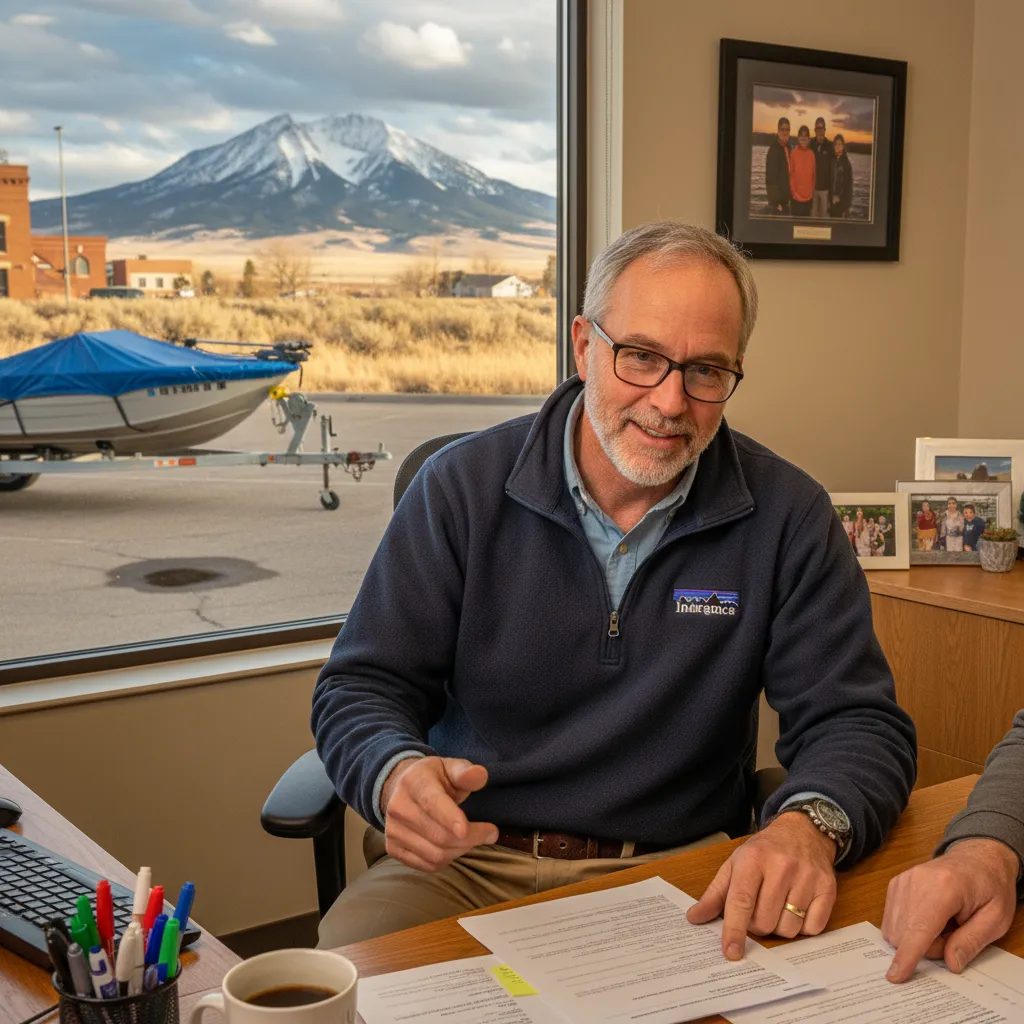
Protect what matters
Insurance built on trust and deep community understanding.
Local Expertise You Can Trust
Instead of being stuck with one company's options, JWR compares rates and coverage across multiple top carriers. One call gets you access to multiple quotes, saving you time and money. Most families save $400+ per year when they switch.
We Shop 20+ Carriers
Insurance is only as good as the claim. JWR doesn't just sell you a policy and disappear. When disaster strikes, the team fights for you, handles the paperwork, and makes sure you're paid fairly and fast. Their claims support is rated 4.9/5 stars for a reason.
We're There When It Matters Most
Insurance is only as good as the claim. JWR doesn't just sell you a policy and disappear. When disaster strikes, the team fights for you, handles the paperwork, and makes sure you're paid fairly and fast. Their claims support is rated 4.9/5 stars for a reason.
Plain English
No-Pressure Service
No jargon. No fine print surprises. JWR explains everything like you're sitting at their kitchen table—because that's how they'd want to be treated. Coverage options are clear, bundles show real dollar savings, and you decide without sales pressure.
YOUR BOAT PROTECTION STARTS HERE
Get a quote or just get answers about boat insurance. Your call.
REAL ANSWERS. REAL PROTECTION.
Practical boat insurance guidance for Wyoming and Colorado lake enthusiasts.

WHAT BOAT INSURANCE ACTUALLY COVERS
Boat and personal watercraft insurance protects your investment from multiple angles. Physical damage coverage handles repairs when your boat is damaged by collisions with rocks or docks, fire, theft, vandalism, or weather events including Wyoming's notorious hail storms that hit from May through August. Liability coverage protects you if you injure someone or damage their property while operating your boat—critical when you're sharing Alcova or Glendo with dozens of other boaters on summer weekends. Medical payments coverage handles injuries to you or your passengers regardless of fault. Most policies even include wreckage removal if your boat sinks, plus coverage for your boat trailer, fishing equipment, and safety gear. Whether you have a fishing boat, ski boat, pontoon, or jet ski, this comprehensive protection means you're covered on the water and at the marina.
COVERAGE LIMITS AND WHAT AFFECTS YOUR COST
Your boat insurance cost depends on several factors: the value of your boat or PWC, where you store it (covered slip versus outdoor storage matters in hail country), how often you use it, the horsepower and speed capability, your boating experience, and your claims history. A $15,000 fishing boat stored at Alcova might cost $300-500 yearly for full coverage, while a $50,000 ski boat with high horsepower could run $800-1,200 annually. Most policies offer agreed value coverage, meaning you and the insurer agree upfront on the boat's worth—if it's totaled, you receive that amount without depreciation debates. Deductibles typically range from $250 to $1,000, and choosing a higher deductible lowers your premium. Unlike your auto policy, boat insurance isn't required by law in Wyoming or Colorado, but marinas often require proof of insurance, and if you financed your boat, your lender definitely requires coverage.
COVERAGE GAPS TO WATCH FOR
Standard boat policies have important limitations to understand. Personal property coverage for items like fishing rods, tackle boxes, and electronics typically has sub-limits—often $1,000 to $2,500 total. If you have $5,000 worth of fishing gear, you'll need to schedule those items separately for full coverage. Racing or high-speed competitions are usually excluded unless you add a special endorsement. Navigation limits matter too—some policies restrict coverage to certain waterways or require you to stay within 75 miles of the coast for lake boats. If you take your boat to distant reservoirs or out-of-state, verify your policy covers those trips. Wear and tear, gradual deterioration, and damage from marine life aren't covered. And importantly, your homeowners policy provides minimal coverage for boats—usually $1,000 to $1,500 maximum and only for specific perils. For any boat worth insuring, you need dedicated boat insurance, not just the limited homeowners policy coverage.
Looking for more FAQs?
If your boat or personal watercraft is damaged or involved in an incident, the first step is always to ensure safety and prevent further damage. Then, report the incident to authorities if necessary and gather all relevant information, including photos and contact details of involved parties or witnesses. Contact JWR Insurance as soon as possible; our team will guide you through filing the claim, help you understand the next steps, and assist in getting your vessel inspected and repaired. Our goal is to make the claims process as smooth and stress-free as possible.
When insuring your boat, you generally have two main valuation options. "Actual Cash Value" (ACV) coverage pays out the replacement cost of your boat or parts, minus depreciation, meaning the payout will reflect its current market value, not what you originally paid for it. "Agreed Value" coverage, on the other hand, means you and your insurer agree on a specific value for your boat at the start of the policy, and that's the fixed amount you'll receive if it's declared a total loss, regardless of depreciation. For newer or custom vessels, Agreed Value often provides greater peace of mind. We can help you decide which option best fits your boat and budget.
Standard boat and personal watercraft insurance policies generally exclude certain situations. This often includes normal wear and tear, mechanical breakdown due to lack of maintenance, insect or animal damage, or damage from intentional acts. Using your boat for racing or commercial purposes (unless specifically endorsed) is also typically not covered. It's important to read your policy carefully to understand limits and exclusions, a process JWR Insurance is happy to help you with so there are no surprises.
Boat and personal watercraft insurance typically covers a wide range of perils, from physical damage to your vessel due to collisions, fire, theft, or vandalism, to liability coverage for injuries or damage you might cause to others or their property. Many policies also include protection for medical payments for injuries to you or your passengers, and even wreckage removal should your boat sink in a local lake. This comprehensive coverage ensures you're protected whether you're on the open water or docked at a marina.
While boat and personal watercraft insurance isn't always legally mandated everywhere, it's a crucial investment for peace of mind, especially when enjoying Wyoming or Colorado's vast waterways like Lake Powell or Glendo State Park. Accidents happen, and without insurance, you'd be solely responsible for potentially significant repair costs—which can easily run into thousands of dollars for even minor damage—or liability claims if someone gets injured or property is damaged. Consider it protection against the unexpected, allowing you to focus on fun, not financial worry. Contact JWR to discuss your specific needs and see how affordable this protection can be.
The cost of boat or personal watercraft insurance can vary significantly based on factors like the type and value of your vessel, its primary usage (fishing, recreation, etc.), and where you operate it—such as the high winds on Flaming Gorge or the bustling waters of Horsetooth Reservoir. A newer, high-performance boat will cost more to insure than an older fishing boat. For an accurate quote tailored to your specific marine adventures, contact JWR Insurance; we can help you navigate the options and costs.