
MEDICAL PAYMENTS COVERAGE THAT PROTECTS EVERYONE ON BOARD
When someone gets injured on your boat—whether it's a family member, friend, or guest—medical bills start immediately, and you need coverage that pays quickly without blame or lawsuits determining who was at fault. As an independent brokerage serving Wyoming, Colorado, Utah, and Montana boaters, we compare 20+ carriers to find medical payments coverage that covers everyone aboard your vessel—from emergency room visits to ambulance transport to follow-up care—ensuring injuries don't destroy friendships or your finances. We're local boating enthusiasts who answer the phone, explain coverage in plain English, and make sure a great day on the water doesn't turn into a financial nightmare when accidents happen.
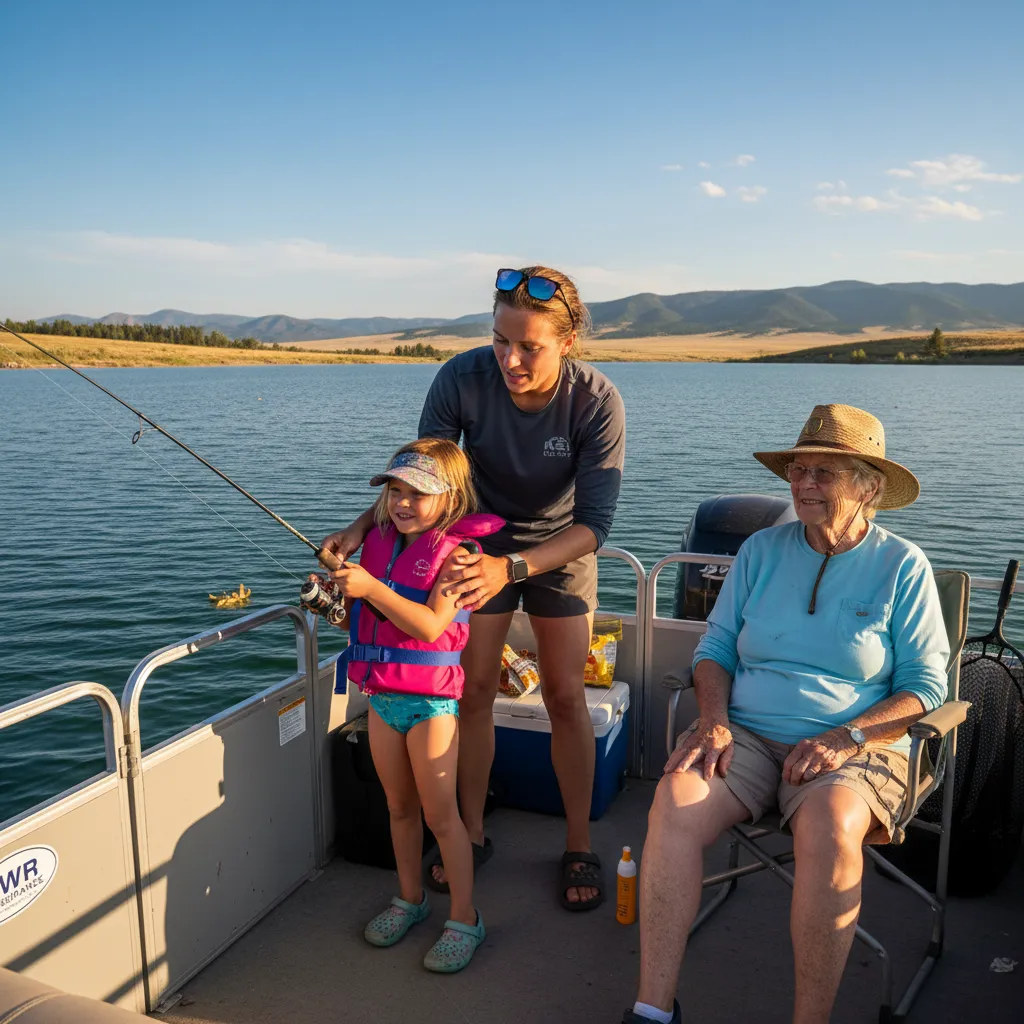
COMPREHENSIVE MEDICAL PAYMENTS PROTECTION
No-fault coverage that pays medical expenses immediately when anyone gets hurt on your boat
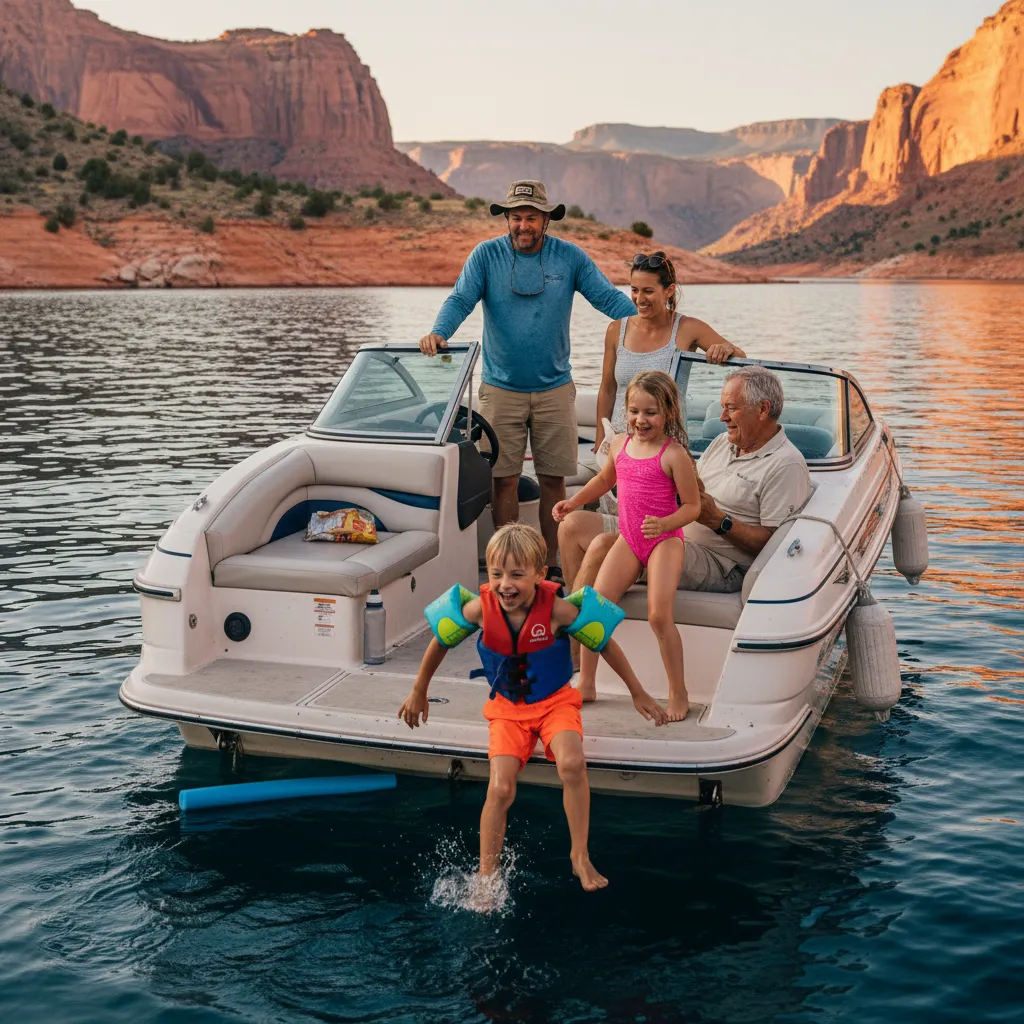
COVERAGE FOR REAL BOATING INJURIES
Boating accidents happen fast—a guest slips on a wet deck and fractures their wrist, your teenager hits their head during rough water, a friend tears a ligament while boarding, or someone suffers a severe laceration from equipment and needs emergency stitches and follow-up care. Medical payments coverage pays for the full spectrum of injury-related expenses including emergency room visits and facility charges, ambulance transport by ground or air, hospital admission and inpatient care, X-rays and diagnostic imaging, surgical procedures and anesthesia, specialist consultations with orthopedic or neurological physicians, physical therapy and rehabilitation services, prescription medications, medical equipment like crutches or braces, and even funeral expenses in the tragic event of a fatality—all without requiring fault determination or lengthy insurance investigations. Unlike liability coverage that only pays when you're legally responsible for an injury, medical payments coverage works immediately for anyone hurt on or around your boat, including you and your family, regardless of who caused the accident. This "no-fault" structure means that when your friend's child breaks an arm while tubing behind your boat on Flaming Gorge, their emergency room visit and orthopedic follow-up are covered through your boat insurance without them needing to sue you, without determining whether you were driving recklessly or they should have held on tighter, and without your friendship being destroyed by a lawsuit over a $12,000 medical bill that insurance should simply pay.
COVERAGE LIMITS MATCHED TO YOUR NEEDS
Medical payments coverage is available in limits ranging from $1,000 to $10,000 per person per accident, and choosing appropriate limits requires thinking through realistic injury scenarios based on how you actually use your boat. If you frequently take multiple passengers out—hosting family gatherings on Jordanelle Reservoir, running fishing trips with several friends on Pathfinder Reservoir, or towing teenagers behind your boat on Lake Granby—higher limits ($5,000-$10,000) make sense because common boating injuries like broken bones, severe lacerations requiring surgery, or concussions from falls easily generate $8,000-$15,000 in emergency room visits, specialist consultations, and follow-up care that exceeds minimal $1,000-$2,000 limits. The remarkable aspect of medical payments coverage is its affordability—upgrading from $5,000 to $10,000 in coverage typically costs just $2-$5 annually in additional premium, making higher limits a cost-effective investment that ensures your coverage doesn't run out halfway through someone's treatment. We structure medical payments limits by analyzing your typical passenger count (solo fishing versus family outings with six people aboard), the activities you engage in (calm lake cruising versus aggressive water sports that elevate injury risk), whether you boat in remote locations where air ambulance transport could consume thousands in coverage, and whether your typical guests have comprehensive health insurance or high-deductible plans that leave them exposed to significant out-of-pocket costs. For most Mountain West boaters hosting multiple passengers and engaging in water sports, we recommend $10,000 limits as the sweet spot that provides genuine protection for realistic injury scenarios without breaking your budget—giving you confidence that if someone gets hurt, their medical care is covered without friendships being destroyed by financial disputes over who pays the emergency room bill.
Local expertise matters
Independent agency committed to providing transparent, straightforward insurance solutions for Wyoming and Northern Colorado residents.
REAL BOATING INJURIES, REAL PROTECTION
Medical payments coverage that prevents accidents from destroying friendships and finances
When Guests Get Injured On Board
You're hosting friends and family on Flaming Gorge Reservoir for a summer afternoon—eight people aboard including kids—and during a turn at moderate speed, your friend's teenager loses balance on the wet deck and falls hard, fracturing their wrist and hitting their head with concerning force requiring immediate evaluation. You head to the nearest boat ramp, someone drives them to the emergency room in Rock Springs, and within hours the bills start accumulating—emergency room facility charge ($2,500), physician consultation ($450), X-rays of wrist and skull ($800), CT scan to rule out concussion ($3,200), orthopedic consultation ($385), wrist splinting and immobilization ($275), prescription pain medication ($120), and follow-up appointments scheduled with orthopedics for fracture management ($400+ per visit)—with total costs easily reaching $8,000-$12,000 for what seemed like a simple fall. Without medical payments coverage, your friend faces difficult choices: pay these bills out-of-pocket while their high-deductible health insurance contributes nothing until they meet their $6,000 deductible, or consult an attorney about whether you were operating recklessly and pursue a liability claim that destroys your friendship, drags on for months, and creates adversarial relationships over an accident that was nobody's fault—just bad luck on a boat where wet surfaces and sudden movements sometimes lead to falls. Medical payments coverage eliminates this nightmare by paying the injured party's medical expenses directly up to your policy limit, without fault determination, without lawsuits, without insurance investigators questioning whether you were driving too fast or your friend should have been holding on—just rapid reimbursement that ensures your friend's child gets proper medical care, your friend doesn't face financial hardship from a day they spent as your guest, and your friendship survives an unfortunate accident that your insurance handles exactly as it should, quickly and fairly without blame.
When Water Sports Lead to Serious Injuries
You're towing your nephew on a tube behind your boat on Lake Granby—something you've done dozens of times safely—when he hits a wake wrong, gets launched into the air, and lands badly, sustaining a separated shoulder and possible rib fractures that cause severe pain and difficulty breathing. You immediately stop, pull him back to the boat, and head to the nearest ramp where you call for an ambulance because his pain level and breathing difficulty suggest potentially serious internal injuries requiring immediate emergency care. The resulting medical costs escalate quickly—ambulance transport to the nearest hospital with appropriate trauma capabilities ($1,800), emergency room evaluation including physician and trauma team consultation ($3,200), chest X-rays and CT scan to evaluate rib fractures and rule out pneumothorax ($4,100), orthopedic evaluation and imaging of shoulder ($1,600), pain management and observation ($800), shoulder immobilization sling ($180), follow-up with orthopedic surgeon for potential surgical repair of shoulder separation ($500+ per visit), physical therapy for shoulder rehabilitation (12+ sessions at $200 each), and potential surgical intervention if conservative treatment fails ($15,000-$25,000)—with immediate costs alone reaching $12,000-$15,000 before any surgical intervention or extended rehabilitation. Your nephew's parents have health insurance with a $5,000 deductible and 20% coinsurance, meaning they're facing $5,000+ out-of-pocket before insurance contributes anything, and they're understandably upset that their son got seriously injured while participating in an activity you organized and controlled as the boat operator. Medical payments coverage up to $10,000 handles the majority of immediate medical costs without your nephew's family needing to decide whether to sue you for the medical expenses, without investigations into whether you were operating recklessly or should have avoided that particular wake, and without your family relationships being poisoned by financial disputes over who's responsible for medical bills that resulted from a recreational activity gone wrong—your insurance simply pays for the injury that happened on your boat, preserving family relationships while ensuring your nephew receives proper care without his parents facing financial catastrophe from a tubing accident.
When Your Own Family Gets Hurt
You're docking your boat at Pathfinder Reservoir after a fishing trip, your spouse is preparing to step off onto the dock, and the boat shifts unexpectedly in wind and current, causing them to misstep and fall between the boat and dock, sustaining a severe ankle fracture and lacerations requiring immediate emergency care. Because you're in a remote area, you call for emergency transport, and your spouse is taken by ambulance to the nearest hospital capable of orthopedic care over 60 miles away—generating immediate costs including ambulance transport ($2,200), emergency room evaluation and treatment ($3,800), X-rays and CT imaging of ankle and lower leg ($1,400), orthopedic surgeon consultation ($650), surgical repair of ankle fracture requiring plates and screws ($18,000), anesthesia ($2,400), overnight hospital stay ($4,200), prescription pain medications and antibiotics ($380), follow-up appointments ($450 each), physical therapy for rehabilitation (20+ sessions at $185 each), and potential removal of hardware surgery in 12-18 months ($8,000)—with immediate costs before rehabilitation reaching $25,000-$30,000. Your health insurance will cover the majority of these costs after your deductible, but you're facing a $3,500 deductible plus 20% coinsurance on the first $10,000 of covered expenses, leaving you with approximately $5,500 in out-of-pocket costs during a period when your spouse can't work for 8-12 weeks, reducing household income substantially. Medical payments coverage on your boat insurance reimburses you for these out-of-pocket costs up to your policy limit, covering your deductible and coinsurance amounts without requiring you to file a claim against yourself under liability coverage (which doesn't cover you or household family members anyway) or absorb thousands in medical expenses that strain your finances during a period when you're already dealing with lost income and the stress of a serious injury. This coverage protects your own family's finances just as thoroughly as it protects guests, ensuring that a docking accident doesn't create financial hardship on top of physical injury—your medical payments coverage simply reimburses the costs your health insurance doesn't cover, making the injury a medical challenge rather than a financial catastrophe.
When Multiple People Get Injured Simultaneously
You're running your boat on Jordanelle Reservoir with six passengers aboard—family and friends enjoying a summer day—when another boat runs a stop buoy at high speed and collides with your vessel, causing multiple injuries including two passengers with possible concussions from being thrown against hard surfaces, one with a broken arm, one with severe facial lacerations requiring plastic surgery, and two others with significant bruising and soft tissue injuries requiring evaluation. Emergency response arrives by water and transports the most seriously injured to shore for ambulance transport to the hospital, while others are taken by friends—and within hours you're facing a multi-casualty accident with medical costs for six people potentially reaching $50,000-$80,000 combined for emergency room visits, ambulance transport, imaging studies, surgical repairs, specialist consultations, and follow-up care. The at-fault boater's liability insurance will eventually pay these costs, but liability claims take months to investigate and settle—requiring proof of fault, documentation of all medical treatment, negotiation over which expenses are reasonable, and often attorney involvement if the insurance company disputes coverage or offers inadequate settlements—leaving your passengers facing immediate medical bills they must pay or negotiate while waiting for someone else's insurance to reimburse them months later, creating financial stress and potentially damaged relationships with you for involving them in a situation that cost them thousands in out-of-pocket expenses and months of hassle. Your medical payments coverage pays each injured passenger immediately up to your per-person limit (if you have $10,000 per person coverage, that's up to $60,000 total across six injured people) without waiting for fault determination or liability settlement—ensuring your passengers receive rapid reimbursement for emergency care and initial treatment while the at-fault boater's liability insurance handles the lengthy claims process for remaining expenses. This immediate payment preserves your relationships with injured passengers, prevents them from facing financial hardship while waiting for liability settlement, and demonstrates that your insurance protects them properly regardless of who caused the accident—your medical payments coverage handles immediate needs quickly, while liability claims against the at-fault boater proceed separately for any costs exceeding your medical payments limits.
BOATING INSURANCE INSIGHTS THAT MATTER
Practical knowledge to guide your boat insurance protection decisions
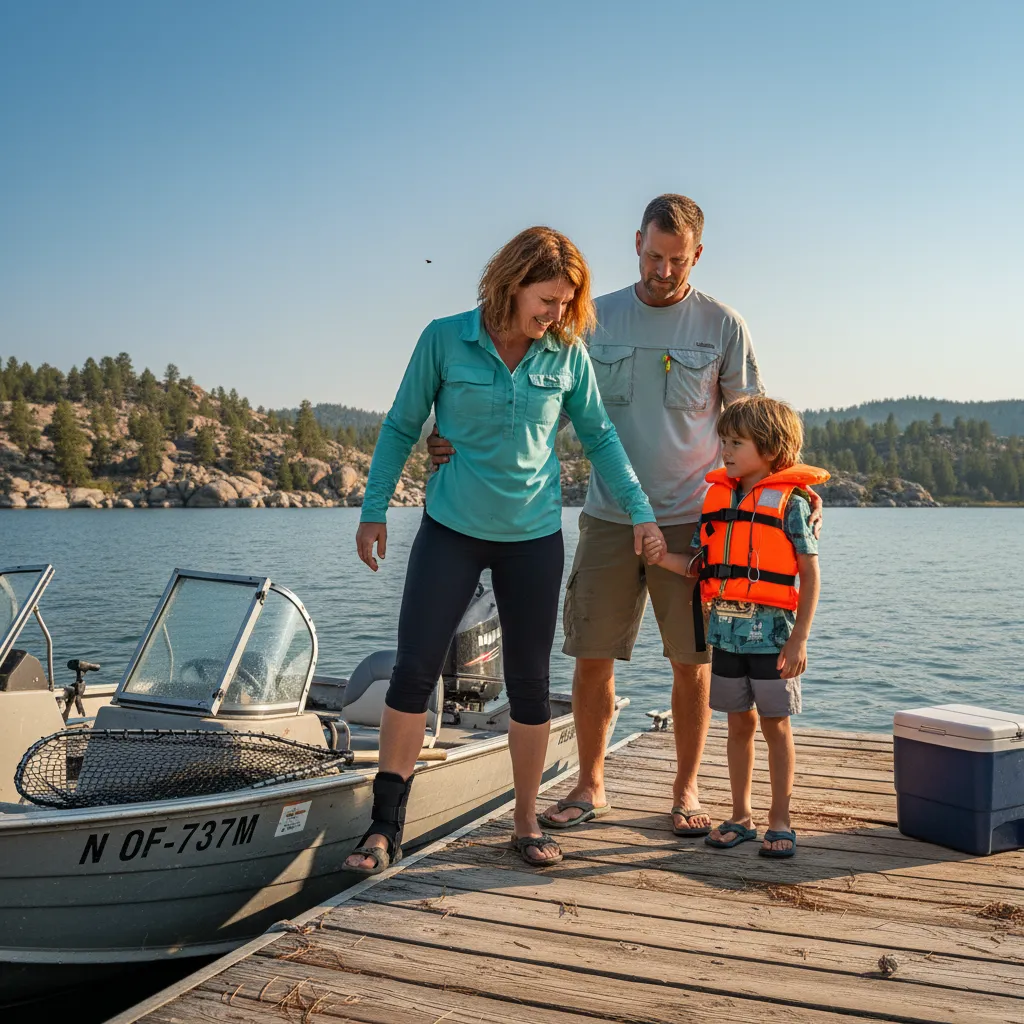
Medical Payments vs. Liability Coverage: Understanding the Difference
Many boat owners mistakenly believe medical payments coverage and bodily injury liability coverage serve the same purpose, but these coverages operate completely differently and address distinct scenarios. Medical payments coverage pays immediately for anyone injured on your boat regardless of fault—no investigations, no blame, no lawsuits required—while liability coverage only pays when you're legally responsible for causing the injury through negligence or reckless operation. Understanding when each coverage applies, how they coordinate during claims, and why you need both types of protection prevents confusion when injuries occur and ensures your passengers receive proper care without unnecessary delays or relationship damage from fault disputes.

Choosing Appropriate Medical Payments Limits for Your Boating Profile
Selecting medical payments coverage limits requires thinking through realistic injury scenarios based on your typical passenger count, the activities you engage in (calm cruising versus aggressive water sports), and whether you boat in remote locations where emergency transport costs escalate dramatically. A solo fisherman who rarely has passengers needs different coverage than a family regularly hosting six people for water skiing and tubing—this guide explains how to evaluate your actual risk exposure and select limits that provide genuine protection without paying for coverage you'll never use or leaving yourself underinsured for the activities you actually engage in.
COVERAGE FOR EVERY STAGE OF BOAT OWNERSHIP
First-Time Boat Owner
Just bought your first boat for fishing or family cruising? You're learning safe operation, probably boating with small groups of family or close friends, and focused on basic protection that covers the most common injury scenarios without overwhelming your budget. We structure essential medical payments coverage starting at $5,000 per person—adequate for typical injuries like minor falls, lacerations, or simple fractures requiring emergency room treatment—giving you foundational protection that covers the majority of realistic scenarios while keeping your boat insurance affordable as you're already investing heavily in your first watercraft.
Active Family Boater
Boating regularly with kids, extended family, and friends for water sports and recreation? You're hosting larger groups (six or more passengers frequently), engaging in higher-risk activities like tubing and water skiing, and your injury exposure has increased substantially as passenger count and activity intensity have grown. We expand medical payments coverage to $10,000 per person to adequately protect multiple passengers engaging in water sports where injury risks are elevated—ensuring that when accidents happen during tubing or boarding with multiple people aboard, your coverage provides genuine protection rather than running out halfway through treatment for serious injuries that commonly occur during active recreational boating.
High-Performance Boater
Operating high-performance boats at higher speeds or in more challenging conditions? You're probably hosting experienced boaters for aggressive water sports, traveling to remote reservoirs where emergency transport requires significant distances, and engaging in activities where injury severity can be substantial when accidents occur at speed. We structure enhanced medical payments coverage with maximum limits ($10,000) and ensure coordination with your liability coverage for scenarios where serious injuries exceed medical payments limits—providing comprehensive protection for the elevated risks associated with performance boating while ensuring rapid initial care coverage that prevents injured passengers from facing immediate financial hardship during serious accident responses.
Multi-Boat Owner
Own multiple watercraft for different uses—fishing boat, ski boat, personal watercraft? You're managing insurance across multiple vessels with different passenger exposures and injury risk profiles, and you need coordinated medical payments coverage that provides appropriate protection for each vessel's typical use without unnecessary duplication or coverage gaps. We structure efficient coverage across your fleet—potentially higher limits on vessels regularly hosting multiple passengers for water sports, appropriate but lower limits on solo fishing boats, and coordinated policy structures that ensure anyone injured on any of your watercraft receives proper medical payments coverage matched to that vessel's typical passenger profile and activity intensity.
FAQs
If your boat or personal watercraft is damaged or involved in an incident, the first step is always to ensure safety and prevent further damage. Then, report the incident to authorities if necessary and gather all relevant information, including photos and contact details of involved parties or witnesses. Contact JWR Insurance as soon as possible; our team will guide you through filing the claim, help you understand the next steps, and assist in getting your vessel inspected and repaired. Our goal is to make the claims process as smooth and stress-free as possible.
While boat and personal watercraft insurance isn't always legally mandated everywhere, it's a crucial investment for peace of mind, especially when enjoying Wyoming or Colorado's vast waterways like Lake Powell or Glendo State Park. Accidents happen, and without insurance, you'd be solely responsible for potentially significant repair costs—which can easily run into thousands of dollars for even minor damage—or liability claims if someone gets injured or property is damaged. Consider it protection against the unexpected, allowing you to focus on fun, not financial worry. Contact JWR to discuss your specific needs and see how affordable this protection can be.
When insuring your boat, you generally have two main valuation options. "Actual Cash Value" (ACV) coverage pays out the replacement cost of your boat or parts, minus depreciation, meaning the payout will reflect its current market value, not what you originally paid for it. "Agreed Value" coverage, on the other hand, means you and your insurer agree on a specific value for your boat at the start of the policy, and that's the fixed amount you'll receive if it's declared a total loss, regardless of depreciation. For newer or custom vessels, Agreed Value often provides greater peace of mind. We can help you decide which option best fits your boat and budget.
Standard boat and personal watercraft insurance policies generally exclude certain situations. This often includes normal wear and tear, mechanical breakdown due to lack of maintenance, insect or animal damage, or damage from intentional acts. Using your boat for racing or commercial purposes (unless specifically endorsed) is also typically not covered. It's important to read your policy carefully to understand limits and exclusions, a process JWR Insurance is happy to help you with so there are no surprises.
Boat and personal watercraft insurance typically covers a wide range of perils, from physical damage to your vessel due to collisions, fire, theft, or vandalism, to liability coverage for injuries or damage you might cause to others or their property. Many policies also include protection for medical payments for injuries to you or your passengers, and even wreckage removal should your boat sink in a local lake. This comprehensive coverage ensures you're protected whether you're on the open water or docked at a marina.
The cost of boat or personal watercraft insurance can vary significantly based on factors like the type and value of your vessel, its primary usage (fishing, recreation, etc.), and where you operate it—such as the high winds on Flaming Gorge or the bustling waters of Horsetooth Reservoir. A newer, high-performance boat will cost more to insure than an older fishing boat. For an accurate quote tailored to your specific marine adventures, contact JWR Insurance; we can help you navigate the options and costs.