
PERSONAL EFFECTS COVERAGE THAT PROTECTS YOUR BOAT GEAR
When you're fishing Wyoming reservoirs, wakeboarding Colorado lakes, or cruising Utah's waters, you bring thousands of dollars in gear aboard—fishing tackle, water sports equipment, electronics, and personal belongings that standard boat insurance doesn't cover when they're stolen, damaged, or lost overboard. As an independent brokerage serving Wyoming, Colorado, Utah, and Montana, we compare 20+ carriers to find personal effects coverage that actually protects your fishing rods, tackle boxes, wakeboards, cameras, and electronics—not just your boat hull. We're local boaters ourselves who answer the phone, explain coverage in plain English, and make sure your valuable gear is protected whether you're on Flaming Gorge, Horsetooth Reservoir, or Boysen.
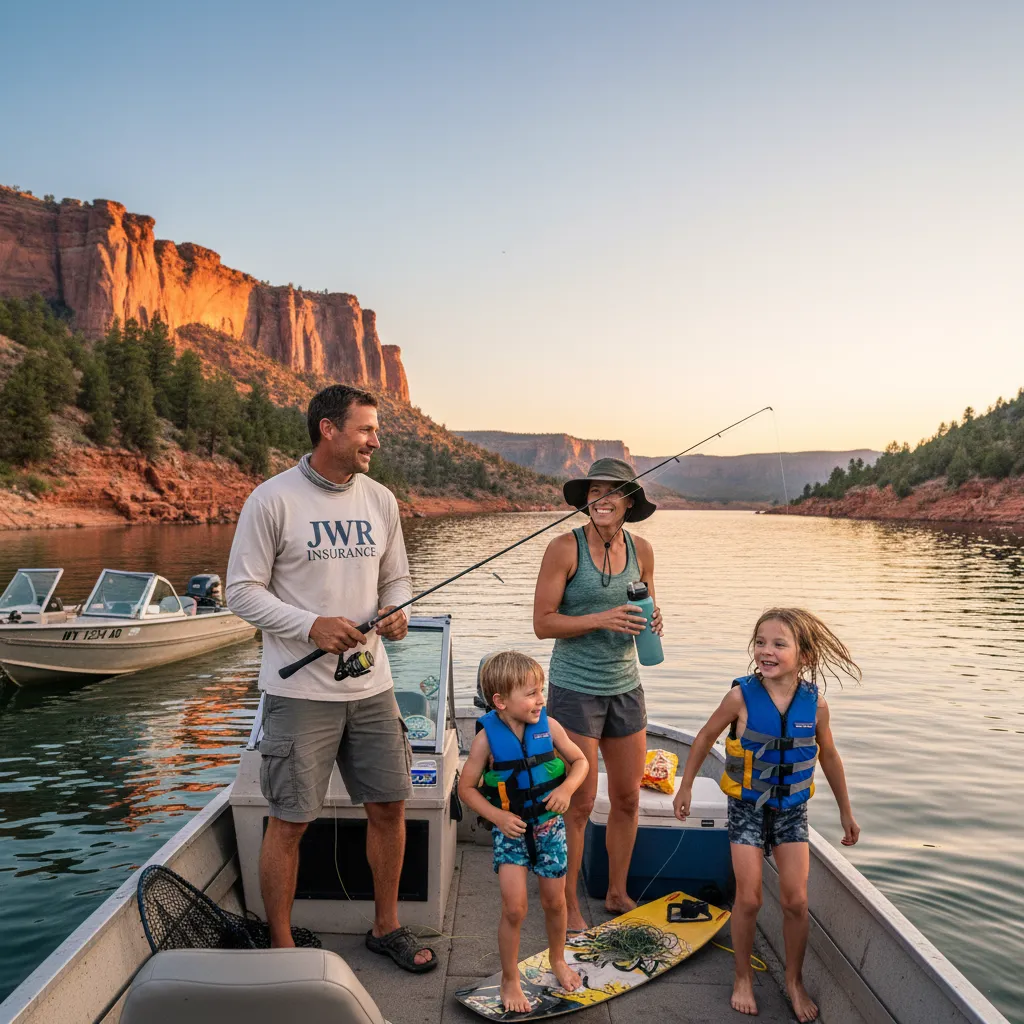
COMPREHENSIVE PERSONAL EFFECTS PROTECTION
Coverage that protects everything you bring aboard—from fishing tackle to electronics
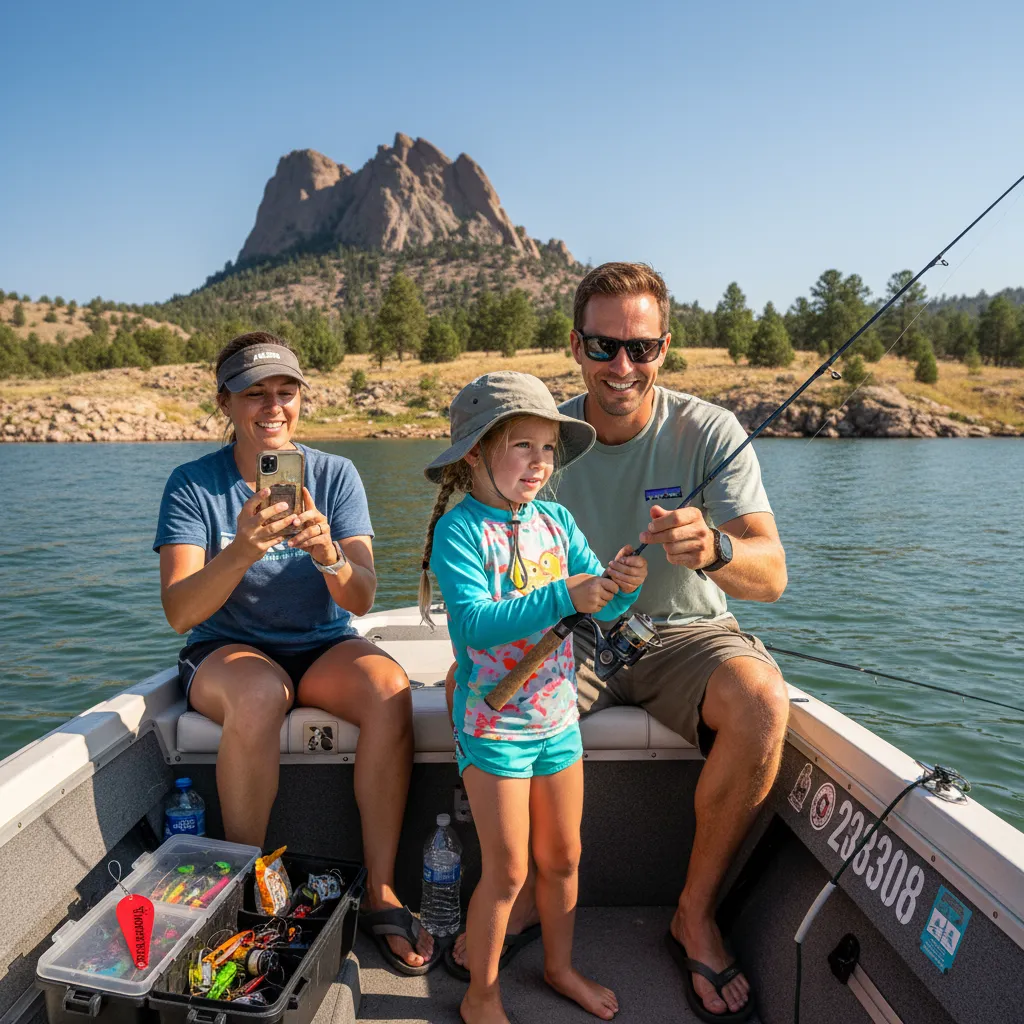
UNDERSTANDING WHAT'S ACTUALLY COVERED
Most boaters don't realize their boat insurance covers the hull and permanently installed equipment but excludes the portable gear they bring aboard every trip—that $5,000 tackle box with premium rods and reels, the $800 wakeboard and water skis, the $1,200 camera for documenting family trips, the $600 smartphone, SCUBA equipment worth thousands, and all the personal belongings like sunglasses, clothing, and coolers that go with you on the water. These aren't theoretical risks—we've handled claims where entire tackle boxes were stolen from docked boats at Flaming Gorge, where water sports gear was lost when boats capsized on Horsetooth Reservoir in sudden storms, where electronics were destroyed when boats took on water unexpectedly, and where expensive fishing equipment fell overboard during tournaments on Boysen Reservoir. We structure personal effects coverage that specifically protects your portable gear with limits from $1,000 for basic boaters up to $100,000 for serious fishing enthusiasts and water sports families—using replacement cost coverage that pays for new equipment at current prices rather than depreciating your five-year-old tackle box to half its value when it's stolen. Without this coverage, you're personally responsible for replacing thousands of dollars in gear after incidents that your boat hull insurance covers for the vessel but leaves you completely exposed for everything you brought aboard.
COVERAGE MATCHED TO YOUR BOATING
A casual family cruiser who brings snacks and sunscreen aboard needs completely different personal effects coverage than a serious tournament angler with $15,000 in fishing equipment or a water sports family with multiple wakeboards, skis, tubes, and tow accessories worth $5,000—yet standard policies often provide only $1,000 to $2,000 in coverage that's inadequate for anyone beyond the most basic recreational boater. We customize personal effects coverage by analyzing exactly what you bring aboard: for fishing enthusiasts, we assess your rod and reel inventory (are you bringing $500 rods or $2,000 electric reels?), tackle box value including premium lures and specialized equipment, downriggers and fish finders you remove after each trip, and whether you're participating in tournaments where gear exposure increases. For water sports families, we evaluate your wakeboard and ski collection, tow tubes and accessories, GoPro cameras and recording equipment for documenting tricks and family memories, and whether multiple family members each have their own equipment that accumulates to substantial total value. For example, we might recommend $10,000 personal effects coverage for a family who regularly brings $3,000 in water sports gear, $2,000 in electronics for music and cameras, and another $1,000 in clothing, coolers, and personal items—while a tournament angler might need $50,000 or more to cover professional-grade fishing equipment that includes electric reels, specialized rods for different techniques, and tackle collections built over decades. You get protection calibrated to what's actually in your boat, not generic coverage that either leaves you exposed or makes you pay for limits you'll never use.
Local expertise matters
Independent agency committed to providing transparent, straightforward insurance solutions for Wyoming and Northern Colorado residents.
REAL BOATING RISKS, REAL COVERAGE SOLUTIONS
Personal effects coverage that protects your gear from the losses that happen on the water
When Tackle Boxes Are Stolen From Docked Boats
You dock your boat overnight at Flaming Gorge or Boysen Reservoir after a long day fishing, secure the boat itself, and head to your vehicle—only to return the next morning and discover someone broke into the boat and stole your entire tackle box containing $6,000 in premium fishing rods, electric reels, specialized lures you've collected for years, and terminal tackle that takes seasons to accumulate. Tackle theft from docked boats is one of the most common and devastating losses boaters face, with thieves specifically targeting fishing equipment that's easy to carry, hard to trace, and valuable on resale markets—and replacement costs easily reach $5,000 to $15,000 for serious anglers whose equipment represents decades of investment in quality gear. Many boaters discover their boat hull insurance specifically excludes portable items that aren't permanently attached to the vessel, meaning their $50,000 boat is covered but the $8,000 tackle box sitting on the deck is completely uninsured—leaving them filing police reports but receiving zero insurance reimbursement because "personal effects aren't covered under standard hull policies." We structure personal effects coverage with limits appropriate for your actual tackle investment (typically $5,000 to $25,000 for fishing enthusiasts versus $1,000 to $2,000 for casual anglers), replacement cost provisions that pay current market prices for new rods and reels rather than depreciated values, and coverage that applies when items are aboard the boat or within 25 feet of the vessel at docks and marinas—ensuring tackle theft is a frustrating but financially manageable loss rather than an uninsured disaster that costs you thousands out of pocket.
When Boats Capsize and Gear Is Lost
A sudden storm hits while you're wakeboarding on Horsetooth Reservoir in Colorado, the wind and waves overwhelm your boat causing it to take on water and capsize, and when you're finally rescued and the boat is recovered hours later, you've lost $4,000 in water sports equipment—wakeboards, skis, tow tubes, and ropes that sank or floated away—plus $2,000 in electronics including waterlogged phones, cameras, and speakers that were aboard when the boat went over. Boat capsizing and sinking incidents destroy or permanently lose personal gear even when the boat itself is recovered and repaired, with items either sinking to depths where recovery is impossible, floating away in currents before you can retrieve them, or suffering water damage that renders electronics and equipment unusable—and total personal effects losses from serious capsizing incidents routinely reach $5,000 to $15,000 when you account for water sports gear, electronics, fishing equipment, and all the personal belongings families bring aboard. Most boaters assume their boat insurance covers "everything on the boat," only discovering after capsizing incidents that hull coverage pays to repair the boat structure but excludes every single portable item that was aboard—including the $800 wakeboard that sank, the $1,500 camera destroyed by water, the $600 in fishing tackle that floated away, and even the clothing, sunglasses, and personal items that were lost during the incident. We structure comprehensive personal effects coverage with limits that account for the full value of what you bring aboard during typical trips (not just fishing gear or just water sports equipment, but the total of everything), replacement cost provisions that don't depreciate your three-year-old wakeboard when paying claims, and coverage that applies during exactly these kinds of sudden weather events, capsizing, and sinking scenarios—ensuring your boat insurance protects both the vessel and everything you bring aboard when disasters strike on Mountain West waters.
When Your Boating Gets More Serious
You started boating three years ago with a basic fishing setup worth maybe $1,500—a few mid-range rods, a tackle box with standard lures, and minimal electronics—but over time you've upgraded to $8,000 in premium equipment including electric reels for deep water fishing, specialized rods for different techniques and species, a tackle collection that includes hundreds of dollars in quality lures and terminal tackle, and portable electronics like GPS fish finders and marine radios you bring aboard each trip, yet your personal effects coverage is still the basic $1,000 policy you bought when you first started. Your gear value and risk exposure have increased eight-fold, but your coverage hasn't evolved to match—meaning you're now carrying $7,000 in uninsured exposure every time you take your boat out, and a single theft or loss incident would leave you massively underinsured and facing thousands in out-of-pocket replacement costs. Many boaters don't review personal effects coverage as their equipment evolves, discovering only after filing claims that their $1,000 policy limit barely covers a quarter of what was actually lost, that per-item limits of $500 mean their $3,000 electric reel only gets $500 reimbursement, or that their policy excludes specialized equipment they've added without notifying their insurer. We proactively review personal effects coverage as your boating evolves—checking in annually or when you mention equipment upgrades, recommending increased limits when your tackle investment grows beyond policy coverage, explaining when per-item limits require scheduling specific high-value pieces like electric reels or expensive cameras, and structuring coverage that grows with your passion rather than leaving you unknowingly exposed. For a few hundred dollars in additional annual premium, you protect the thousands you've invested in equipment upgrades—ensuring your coverage matches your current reality, not what you owned three years ago when you first insured.
When Claims Get Complicated
Your boat is broken into at a Wyoming marina, $4,500 in fishing equipment is stolen including rods, reels, and tackle, you file a personal effects claim expecting full reimbursement, but then the insurance adjuster starts asking for original purchase receipts for every item, serial numbers you never recorded, photographs proving you owned the equipment, and detailed descriptions of each piece—and you realize you have almost no documentation because you accumulated gear over ten years and never thought to photograph your tackle box or keep receipts in a secure location. Personal effects claims require substantially more documentation than boat hull claims because insurers must verify you actually owned the items, establish their value, and prevent fraud where dishonest claimants inflate losses or claim items they never possessed—and without proper documentation, even legitimate claims face delays, disputes over values, and potential denials when you can't prove ownership of expensive equipment to the adjuster's satisfaction. Most boaters have no documentation system for portable gear, storing receipts in tackle boxes that are stolen along with the equipment, never photographing their rod collection or recording serial numbers, and facing the frustrating reality that their $5,000 loss might only receive $2,000 settlement because they can't substantiate the full value of what was taken. We help you avoid claim documentation problems before losses occur—providing boat inventory worksheets that guide you through documenting every piece of valuable gear with photos and descriptions, recommending you photograph your tackle box contents annually and store images digitally where theft can't destroy them, explaining which items need serial number documentation versus which just need purchase receipts, and coaching you through claims when losses happen so you provide documentation in formats adjusters accept without unnecessary disputes. When you file claims with proper documentation prepared in advance, you typically receive faster settlements at higher values than boaters who try to reconstruct equipment inventories from memory weeks after theft—and you avoid the frustration of fighting your own insurance company while trying to replace gear you genuinely owned and lost.
BOATING INSURANCE INSIGHTS THAT MATTER
Practical knowledge to guide your personal effects coverage decisions
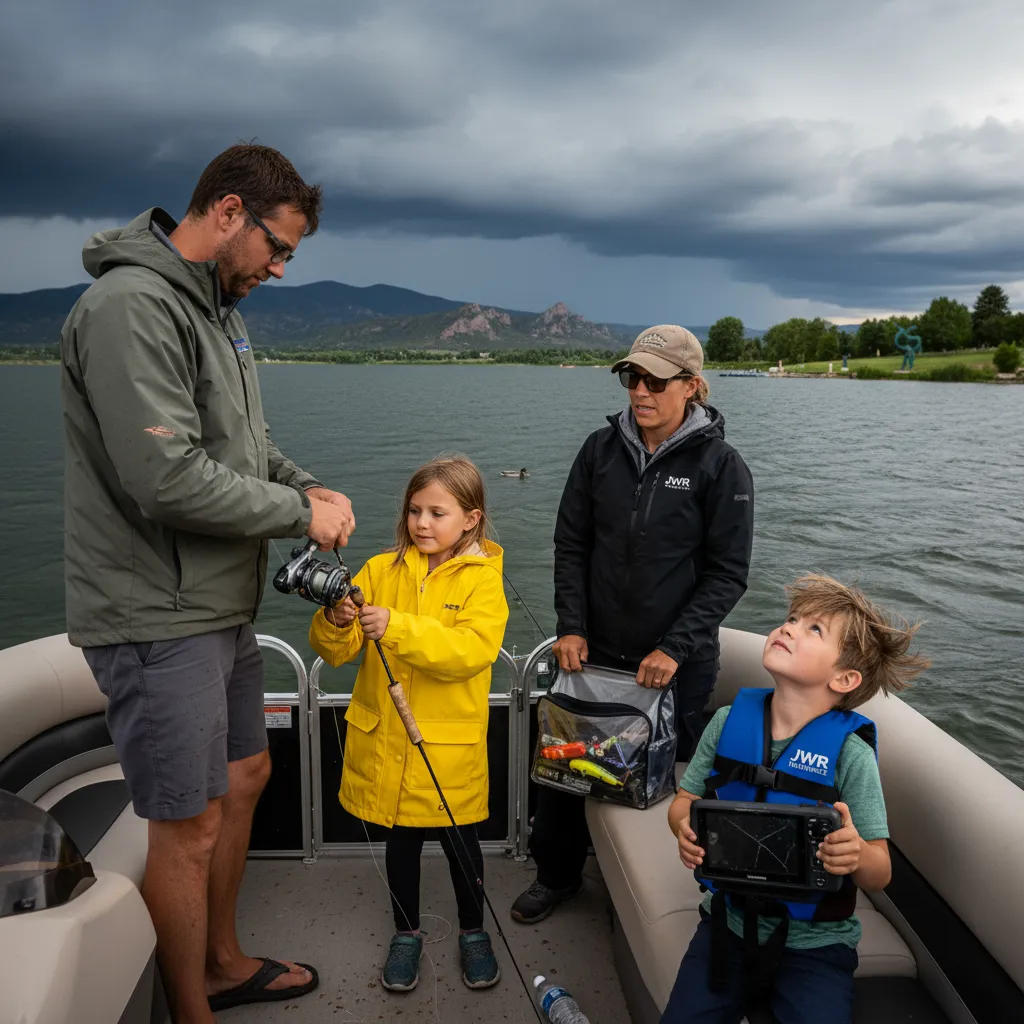
How to Document Your Boat Gear for Insurance Claims
Step-by-step guidance for creating comprehensive equipment inventories that streamline claims—covering how to photograph tackle boxes and fishing gear so adjusters can verify ownership, which items require serial number documentation versus simple descriptions, how to digitally store receipts and documentation where theft can't destroy them, and updating inventories when you add expensive new equipment to maintain accurate coverage.

Understanding Coverage Limits and Per-Item Caps
Why standard $1,000 to $2,000 personal effects coverage is often inadequate for serious boaters, how per-item limits restrict reimbursement for expensive single pieces like electric reels or cameras, when scheduled personal property coverage makes sense for high-value gear, and how to evaluate appropriate coverage limits based on what you actually bring aboard during typical boating trips on Mountain West waters.
COVERAGE FOR EVERY BOATING STAGE
First-Time Boat Owner
Just bought your first boat? Your priority is basic personal effects protection for the modest gear you're starting with—maybe $1,500 to $3,000 in fishing tackle, water sports equipment, and personal belongings—without paying for coverage limits you don't yet need. We structure affordable personal effects coverage starting at $1,000 to $2,500 limits that protect your initial gear investment, with replacement cost coverage and room to increase limits as you add equipment and your boating becomes more serious over time.
Growing Enthusiast
Boating more seriously now? You've likely upgraded to better fishing equipment, added water sports gear as family members join activities, invested in quality electronics for navigation and fish finding, and accumulated $5,000 to $15,000 in portable gear that far exceeds basic coverage limits. We expand personal effects coverage to $5,000 to $25,000 limits that match your growing equipment investment, add scheduled coverage for specific high-value items like electric reels or expensive cameras, and structure protection that evolves with your advancing boating passion—ensuring your coverage keeps pace with your gear upgrades.
Serious Angler or Water Sports Family
Invested heavily in specialized equipment? Tournament anglers with $20,000+ in fishing gear or water sports families with multiple wakeboards, skis, tubes, and tow accessories need comprehensive personal effects coverage that protects substantial gear collections most recreational policies don't adequately address. We structure high-limit personal effects coverage from $25,000 to $100,000, schedule individual expensive items to eliminate per-item caps, and ensure replacement cost provisions pay full value for premium equipment—protecting the serious gear investments that define your boating lifestyle without per-item limits that artificially cap reimbursement.
Multiple Boat Owner
Own multiple boats for different activities—maybe a fishing boat and a wakeboard boat, or boats at different locations? You're managing personal effects across multiple vessels, potentially duplicating coverage or leaving gaps when gear moves between boats, and coordinating policies that need to protect equipment regardless of which boat it's aboard. We structure coordinated personal effects coverage across all your vessels, potentially consolidating into efficient multi-boat policies that reduce premium duplication, and ensure your fishing gear is covered whether it's on your bass boat or temporarily moved to your family cruiser—protecting your equipment portfolio as efficiently as possible.
FAQs
While boat and personal watercraft insurance isn't always legally mandated everywhere, it's a crucial investment for peace of mind, especially when enjoying Wyoming or Colorado's vast waterways like Lake Powell or Glendo State Park. Accidents happen, and without insurance, you'd be solely responsible for potentially significant repair costs—which can easily run into thousands of dollars for even minor damage—or liability claims if someone gets injured or property is damaged. Consider it protection against the unexpected, allowing you to focus on fun, not financial worry. Contact JWR to discuss your specific needs and see how affordable this protection can be.
Boat and personal watercraft insurance typically covers a wide range of perils, from physical damage to your vessel due to collisions, fire, theft, or vandalism, to liability coverage for injuries or damage you might cause to others or their property. Many policies also include protection for medical payments for injuries to you or your passengers, and even wreckage removal should your boat sink in a local lake. This comprehensive coverage ensures you're protected whether you're on the open water or docked at a marina.
The cost of boat or personal watercraft insurance can vary significantly based on factors like the type and value of your vessel, its primary usage (fishing, recreation, etc.), and where you operate it—such as the high winds on Flaming Gorge or the bustling waters of Horsetooth Reservoir. A newer, high-performance boat will cost more to insure than an older fishing boat. For an accurate quote tailored to your specific marine adventures, contact JWR Insurance; we can help you navigate the options and costs.
When insuring your boat, you generally have two main valuation options. "Actual Cash Value" (ACV) coverage pays out the replacement cost of your boat or parts, minus depreciation, meaning the payout will reflect its current market value, not what you originally paid for it. "Agreed Value" coverage, on the other hand, means you and your insurer agree on a specific value for your boat at the start of the policy, and that's the fixed amount you'll receive if it's declared a total loss, regardless of depreciation. For newer or custom vessels, Agreed Value often provides greater peace of mind. We can help you decide which option best fits your boat and budget.
Standard boat and personal watercraft insurance policies generally exclude certain situations. This often includes normal wear and tear, mechanical breakdown due to lack of maintenance, insect or animal damage, or damage from intentional acts. Using your boat for racing or commercial purposes (unless specifically endorsed) is also typically not covered. It's important to read your policy carefully to understand limits and exclusions, a process JWR Insurance is happy to help you with so there are no surprises.
If your boat or personal watercraft is damaged or involved in an incident, the first step is always to ensure safety and prevent further damage. Then, report the incident to authorities if necessary and gather all relevant information, including photos and contact details of involved parties or witnesses. Contact JWR Insurance as soon as possible; our team will guide you through filing the claim, help you understand the next steps, and assist in getting your vessel inspected and repaired. Our goal is to make the claims process as smooth and stress-free as possible.