
WORKERS' COMP REHABILITATION THAT GETS YOUR TEAM BACK TO WORK
Mountain West businesses face unique workplace injury challenges—from oil field accidents in Wyoming's harsh winters to construction injuries at Colorado's high altitudes to agricultural incidents on remote Montana ranches. As an independent brokerage serving regional employers, we partner with 20+ carriers to provide workers' comp rehabilitation coverage that helps injured employees recover faster and return to work safely—reducing your costs and keeping operations running during boom-and-bust economic cycles. We're local business advocates who understand your industry and answer the phone when injuries happen.
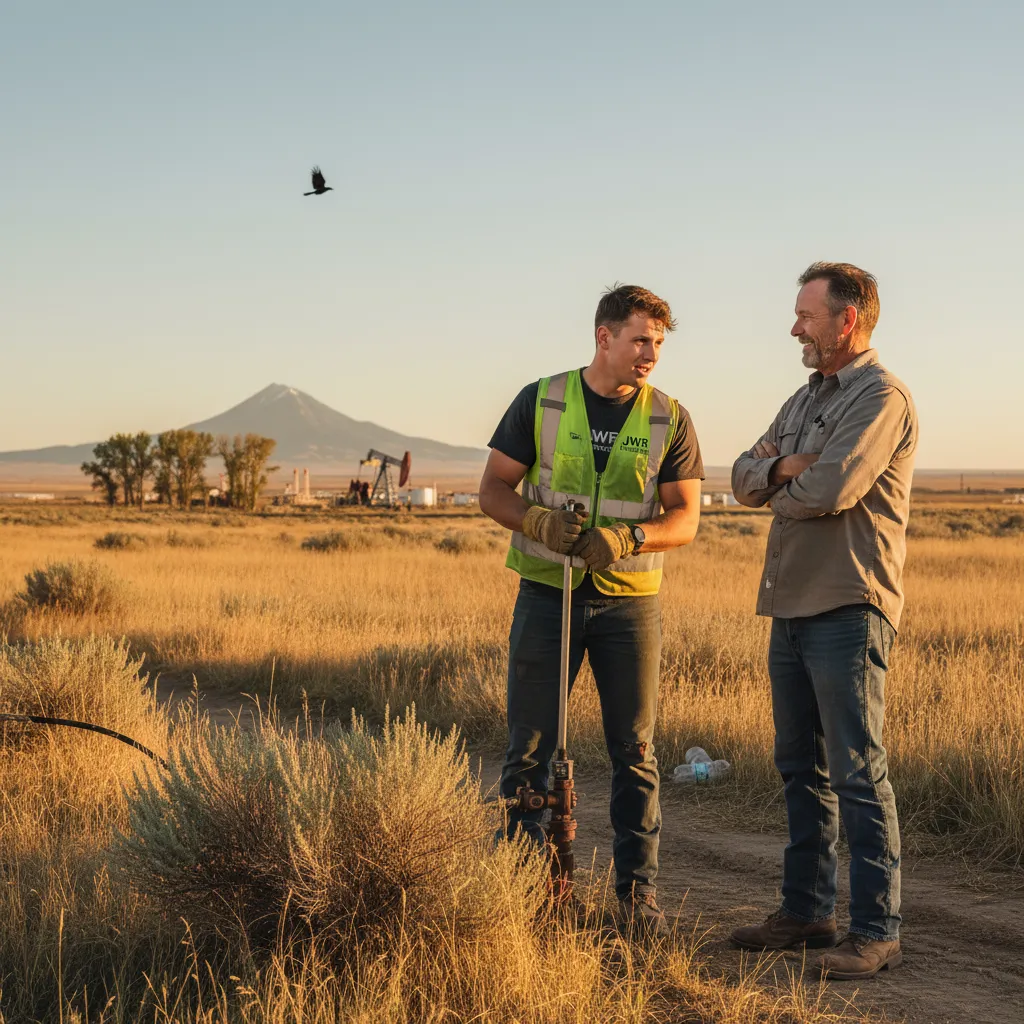
COMPREHENSIVE REHABILITATION FOR WORKERS' COMP
Rehabilitation solutions that protect your business and support your employees through recovery

UNDERSTANDING REGIONAL WORKPLACE RISKS
Mountain West businesses face workplace injury patterns that differ significantly from national norms—oil field accidents often involve remote locations where immediate medical response is limited, construction injuries at high altitude where healing takes longer and complications are more common, agricultural incidents on isolated ranches where employees may delay reporting, and seasonal work patterns where rehabilitation timing affects your ability to operate during critical periods. These regional factors require workers' comp rehabilitation programs that go beyond standard protocols to include rapid response for remote injuries, altitude-adjusted recovery timelines, vocational training for employees who can't return to physical labor in harsh climates, and flexible rehabilitation scheduling that doesn't shut down your operation during peak season. We partner with carriers whose rehabilitation networks include specialists experienced in Mountain West industries, who understand that a construction injury in Denver requires different recovery approaches than the same injury at sea level, and who structure return-to-work programs around your business's seasonal cycles. Our coverage includes access to physical therapists who understand the demands of oil field work and ranch operations, occupational therapists who can evaluate remote workplace environments, vocational rehabilitation counselors familiar with regional labor markets and alternative employment options, and case managers who coordinate care across vast geographic distances typical of our region—ensuring your injured employees receive appropriate care while you maintain operational continuity.
CUSTOMIZED RECOVERY PROGRAMS
Standard workers' comp rehabilitation follows cookie-cutter protocols that don't account for your industry's specific needs—a back injury protocol designed for office workers doesn't work for an oil field hand who needs to return to physically demanding work in subzero temperatures or a ranch hand who must lift hay bales and work livestock in isolation. We structure rehabilitation coverage by understanding your business's specific requirements: the physical demands of your industry (light-duty desk work versus heavy lifting and extreme weather exposure), your workforce demographics (young athletic employees versus older experienced workers with different healing patterns and longer recovery needs), your seasonal business cycles (construction that can't afford extended recoveries during summer building season versus operations with flexible timing), your geographic challenges (access to physical therapy in remote areas versus urban locations with multiple specialized options), and your company's ability to offer modified-duty positions during recovery periods. For example, we might prioritize vocational rehabilitation for an agricultural business where most jobs require heavy physical work with few light-duty options available, emphasize rapid return-to-work programs for seasonal businesses that need employees back during critical harvest or construction periods, structure coverage with specialized high-altitude recovery protocols for Colorado construction firms where healing takes twenty to thirty percent longer than sea level, or ensure rehabilitation networks include providers within reasonable distance of remote Wyoming or Montana operations. The result is rehabilitation coverage that actually gets your employees back to work in your specific business environment—not generic programming that works in cities but fails for regional industries with unique physical demands, geographic isolation, and operational constraints that require specialized understanding and flexible approaches.
Local expertise matters
Independent agency committed to providing transparent, straightforward insurance solutions for Wyoming and Northern Colorado residents.
REAL WORKPLACE INJURIES, REAL RECOVERY SOLUTIONS
Rehabilitation coverage that stands between workplace injuries and business disruption
When Back Injuries Sideline Key Employees
A framing carpenter at your Loveland construction site slips on ice during an early morning in January, falls awkwardly while carrying lumber, and suffers a severe lower back strain that prevents him from working—requiring immediate emergency room evaluation, MRI imaging to rule out disc herniation, weeks of physical therapy three times per week, and potentially months of modified duty or time off if recovery is slow or complications develop. Back injuries represent the most common and costly workers' comp claims in construction and trades, with medical costs averaging eight thousand to twenty thousand dollars and lost wages adding substantially more, but the real business impact comes from operational disruption when experienced employees can't work during critical project periods, potential OSHA recordability affecting your safety ratings, the challenge of finding qualified temporary replacements who know your systems and standards, and insurance rate increases through your experience modification calculation that affect your workers' comp premiums for the next three years. Many business owners don't realize their workers' comp rehabilitation coverage may have significant gaps—limited access to physical therapists experienced in construction injury rehabilitation who understand the specific physical demands of framing work, inadequate vocational rehabilitation services if your employee can't return to heavy physical labor and needs retraining for different work, restricted provider networks that don't include specialists within reasonable distance of your job sites or your employee's home, or weak return-to-work support that doesn't help you identify appropriate light-duty assignments during recovery. We structure rehabilitation coverage with immediate access to physical therapy networks including providers experienced in construction and trades injuries common to Mountain West work environments, proactive return-to-work programs that work with you to identify modified-duty options like tool inventory, material ordering, or job site coordination that keep employees working while recovering, vocational rehabilitation services for employees who can't return to physical labor and need assessment and retraining for alternative careers, and case management that coordinates between medical providers, your employee, and your business to minimize recovery time and get your crew member back safely—protecting both your employee's livelihood and your project timelines.
When Serious Injuries Require Long-Term Rehabilitation
Your experienced foreman falls from scaffolding at a Rock Springs commercial project, suffers multiple fractures requiring immediate surgery and months of intensive rehabilitation, and develops complications during recovery that prevent him from returning to physical construction supervision—forcing you to find temporary replacement leadership, potentially delay projects while you adjust crew assignments, navigate complex workers' comp medical procedures and utilization review requirements, and eventually help your foreman transition to a different role within your company or face the reality that he may need to leave construction entirely after twenty years in the trade. Serious workplace injuries with long-term implications can cost one hundred thousand to five hundred thousand dollars or more in medical care and lost wages, but the real business impact extends far beyond direct claim costs—operational disruption during months-long recovery periods when you can't replace decades of experience and institutional knowledge, the personal and organizational stress of supporting an employee through career-threatening injury while maintaining business operations, potential OSHA investigations if injury circumstances suggest safety violations or inadequate fall protection, and experience modification rate increases that raise your workers' comp insurance costs by twenty to forty percent for the next three policy periods affecting your bid competitiveness. Many business owners discover their workers' comp rehabilitation coverage has critical gaps exactly when they need it most—inadequate vocational rehabilitation to assess whether your foreman could transition to project management, estimating, or safety roles that don't require physical labor, limited access to orthopedic specialists experienced in complex construction injuries and the unique demands of returning to work at altitude where healing is slower, weak case management that doesn't coordinate effectively between multiple medical specialists, your business needs, and your employee's recovery goals, or insufficient support for you as the employer in managing the operational and personnel challenges of serious long-term injuries. We structure comprehensive rehabilitation coverage with access to top orthopedic and rehabilitation specialists experienced in serious construction injuries and the physical demands of Mountain West construction work, proactive vocational rehabilitation that begins planning alternative career paths early in recovery rather than waiting until your employee definitively can't return to original work, return-to-work programs specifically designed for transitioning injured construction workers to office-based roles like estimating, project coordination, safety management, or client relations when physical work becomes impossible, and dedicated case management support for both your employee's recovery and your operational planning during extended absences—helping you maintain project continuity while supporting your foreman's transition to sustainable work within his medical restrictions.
When Your Business Grows and Injury Risk Increases
Your HVAC company has grown from five employees three years ago to twenty-five employees today, you've expanded from residential service work to commercial projects involving larger buildings with more complex systems and greater working heights, you've hired younger less-experienced technicians to keep up with demand during Wyoming's oil field boom, and you're taking on projects with higher liability exposure and more stringent safety requirements—but your workers' comp coverage and rehabilitation approach are still calibrated for the small residential service company you used to be, not the larger commercial operation you've become. Business growth changes your injury risk profile dramatically—more employees means statistically more injuries even if your per-employee injury rate stays constant, commercial work involves larger equipment and higher working heights increasing injury severity when accidents occur, less-experienced younger employees have significantly higher injury rates during their first two years especially in physically demanding trades, rapid hiring may have compromised the thoroughness of your safety training and orientation programs, and you're now operating in multiple locations simultaneously making safety oversight and injury response more complex. Many business owners don't proactively review workers' comp coverage as they scale rapidly, discovering too late that their rehabilitation provider network is overwhelmed when multiple employees are injured simultaneously (not uncommon during rapid growth periods), their carrier's vocational rehabilitation capacity can't handle retraining multiple employees if several suffer injuries preventing return to physical HVAC work, their return-to-work programs don't scale to supporting light-duty assignments for multiple recovering employees across different job sites, or their policy structure doesn't optimize their experience modification calculation as payroll grows—leaving them paying higher rates than necessary. We proactively review workers' comp coverage as your business grows, ensuring your carrier's rehabilitation network has adequate capacity for your increased workforce size and injury volume, return-to-work programs include strategies for managing multiple simultaneous recoveries across different job sites and project types, vocational rehabilitation services can support the realistic possibility that growth means more employees eventually need occupational transitions, and your policy structure and safety program documentation position you for the best possible experience modification rates as you scale—protecting your growing business from inadequate rehabilitation capacity and preventing the premium increases that often punish successful businesses that grow faster than their insurance programs adapt.
When Medical Networks Complicate Recovery
Your employee is injured on your Cheyenne job site, you report the claim to workers' comp as required within the statutory deadline, but then you and your employee find yourselves navigating a confusing maze of workers' comp medical provider networks with limited options in your area, utilization review requirements where insurance medical reviewers question whether your employee's treating physician is recommending appropriate care, disputes between your employee's orthopedic surgeon (who wants aggressive treatment) and the insurance company's medical consultant (who thinks conservative treatment is sufficient), and mounting frustration from your employee who just wants proper medical care so he can return to work and from you trying to keep everyone satisfied while your project schedule slips and you're paying for temporary labor. Workers' comp medical care operates under completely different rules than regular health insurance—with insurance carrier-directed provider networks that may have limited options in smaller Mountain West communities, mandatory utilization review for any treatment beyond basic care where insurance companies second-guess physician recommendations, frequent disputes about medical necessity where insurers deny treatments as excessive or unrelated to workplace injury, strict regulations about which providers can treat injured workers and how bills must be submitted, and inherently adversarial relationships between treating physicians (advocating for their patients and recommending treatment they believe necessary) and insurance medical reviewers (controlling costs and questioning expensive interventions)—and neither you nor your employee understand these procedures, leading to delayed care that prolongs disability, employee frustration and anger that damages morale and affects your working relationship, potential disputes over whether treatment was properly authorized (leaving someone stuck with medical bills workers' comp should cover), and return-to-work delays because medical care and rehabilitation aren't effectively coordinated. Most business owners don't realize they can have their insurance agent actively coordinate workers' comp medical care and rehabilitation—communicating with medical providers to ensure they understand proper workers' comp billing and authorization procedures that differ significantly from standard health insurance, intervening when the insurance carrier is unreasonably denying medically necessary treatment and delays are affecting recovery timelines and your employee's wellbeing, helping your employee navigate the workers' comp medical system so they don't inadvertently make procedural mistakes that jeopardize coverage or delay care, coordinating return-to-work planning between treating physicians (who understand medical restrictions), rehabilitation specialists (who develop strengthening programs), and your operational reality (what light-duty or modified work you can actually provide), and managing the entire medical and rehabilitation process so you can focus on running your business rather than becoming an unpaid workers' comp claims administrator trying to coordinate between frustrated employees, defensive insurance adjusters, and independent medical providers. We actively coordinate medical care and rehabilitation throughout your employee's recovery process—handling utilization review disputes when insurance companies unreasonably delay or deny necessary care, ensuring medical providers understand workers' comp-specific billing and documentation requirements so claims are paid promptly, advocating for your employee when delays or denials are affecting their recovery and your operational planning, coordinating return-to-work strategies that balance medical restrictions with your business's ability to offer appropriate modified duties, and serving as the central point of contact managing communication between all parties—keeping everyone aligned on recovery goals and timelines, reducing delays that extend disability and increase costs, and ensuring your employee receives proper care while you maintain business operations without getting dragged into medical administrative procedures you're not equipped to handle.
WORKERS' COMP INSIGHTS FOR BUSINESS OWNERS
Practical knowledge to manage rehabilitation costs and support employee recovery
Reducing Workplace Injuries in Mountain West Industries
Evidence-based safety strategies specifically for oil field operations, high-altitude construction work, agricultural businesses, and trades in the Mountain West—covering altitude-related fatigue and injury risk (injuries occur twenty to thirty percent more frequently above six thousand feet), extreme weather safety protocols for subzero winter work and summer heat exposure, pre-hire physical capacity screening that identifies workers who may struggle with your industry's specific physical demands, effective toolbox talks and safety training that actually change behavior rather than just checking compliance boxes, and return-to-work program development that reduces claim severity and keeps your experience modification rate low.
Understanding Experience Modification Rates and Rehabilitation Costs
How workers' comp claim costs and rehabilitation expenses directly affect your experience modification rate (the multiplier applied to your base workers' comp premium), why investing in effective rehabilitation and return-to-work programs reduces your mod rate and saves you thousands in future premiums, how your mod calculation looks back three years meaning today's claims affect costs for years, the difference between frequency (number of claims) and severity (cost per claim) and why frequency affects your mod more than total costs, strategies for managing claims to optimize mod calculation including early return-to-work programs, and when transitional duty programs that keep injured employees working in modified roles can cut your claim costs and mod rate by thirty to fifty percent.
COVERAGE FOR EVERY BUSINESS STAGE
Startup Business
Just launching your business with a small crew of five employees or fewer? Essential workers' comp rehabilitation coverage meets state compliance requirements and protects your initial team without overwhelming your startup budget. We structure basic but complete coverage providing required injury protection, access to quality medical care through adequate provider networks, fundamental return-to-work support that helps injured employees recover and get back on the job, and case management basics—giving you the foundation every business needs while keeping costs manageable as you build your company and establish cash flow.
Growing Operation
Expanding your workforce and taking on bigger projects with ten to thirty employees? You're adding crew members faster than before, moving into new service areas or taking larger contracts, hiring less-experienced workers to meet demand, and facing increased injury exposure as your operation scales and safety oversight becomes more complex across multiple job sites or shifts. We expand rehabilitation coverage to handle higher potential claim volumes, ensure your insurance carrier's medical and rehabilitation networks can support multiple simultaneous injuries without overwhelming provider capacity, structure return-to-work programs that scale across multiple locations or crews, and begin implementing safety program documentation that will protect your experience modification rate as your payroll grows—keeping costs reasonable while protecting your expanding team.
Established Company
Running a stable business with thirty-plus employees and consistent operations? You've built effective safety programs over years, your workforce is experienced with lower injury frequency than industry averages, but you're managing an aging workforce where injuries that do occur may have longer recovery times and higher medical costs, and you're focused on optimizing your experience modification rate to minimize premium costs while maintaining excellent employee protection. We optimize workers' comp for mature operations—implementing programs that reward your strong safety record with better rates, structuring rehabilitation coverage that accounts for older workers' different injury patterns and recovery needs, ensuring your experience mod reflects your actual superior performance not outdated claim history, and providing proactive safety consultation that keeps your injury rates low and your team protected.
Succession Planning
Preparing to transition ownership, bring in a partner, or retire after building your business for decades? You're thinking about legacy, ensuring your company can operate successfully without your daily involvement, protecting the team you've employed for years, and positioning your business attractively for sale or transition to the next generation of ownership. We structure workers' comp coverage that supports smooth ownership transitions—ensuring your successor inherits appropriate coverage and established carrier relationships, your experience modification rate reflects your long-term safety culture not just recent anomalies, your employees maintain continuity of protection and rehabilitation access through ownership changes, and your workers' comp program demonstrates the safety commitment and claims management sophistication that makes your business attractive to buyers or successors—safeguarding your legacy and the team that built your success.
FAQs
While Workers' Comp covers most work-related incidents, there are common exclusions. Generally, injuries from non-work activities, pre-existing conditions not aggravated by work, injuries sustained while an employee is intoxicated, or intentionally self-inflicted harm are not covered. Understanding these specifics can help you manage workplace safety better.
Workers' Compensation and general liability cover different risks for your business. Workers' Comp specifically covers injuries or illnesses to your employees that occur on the job. General liability, on the other hand, protects your business from claims of bodily injury or property damage that you or your employees cause to third parties, like customers or vendors. You often need both for comprehensive protection.
Yes, in most cases, if you have employees, Workers' Compensation insurance is a legal requirement in both Wyoming and Colorado. It's not just about compliance; it protects your business from expensive lawsuits and ensures your employees are taken care of, fostering a safer and more secure work environment. Let's chat to confirm your specific requirements.
The cost of Workers' Compensation insurance can vary significantly. Factors like your industry, total payroll, and claims history all play a role. For example, businesses in high-risk sectors like the oil fields might see higher premiums due to the nature of the work. For a personalized quote, give us a call with your business details!
Workers' Compensation is designed to protect your employees if they suffer a work-related injury or illness. It typically covers medical expenses, a portion of lost wages if they can't work, and rehabilitation costs. This ensures your team gets the care they need without financial burden, and you are protected from direct legal costs.
If an employee gets injured, they should report it to you immediately. You then need to report the injury to your Workers' Compensation insurance carrier within a specific timeframe, usually a few days. The insurer will review the claim and, if approved, cover the medical treatment and other benefits. We can guide you through every step if an injury occurs.