
UNINSURED BOATER COVERAGE THAT PROTECTS YOUR FAMILY ON THE WATER
Nearly half of recreational boaters on Wyoming, Colorado, Utah, and Montana lakes operate without adequate insurance—leaving you vulnerable when their negligence causes injuries or damages your boat. As an independent brokerage serving Mountain West boaters, we compare 20+ carriers to find uninsured boater coverage that protects you, your passengers, and your family from catastrophic medical bills and repair costs when the other boater can't pay. We're local boating enthusiasts who answer the phone and make sure your time on the water is protected from risks you can't control.
COMPREHENSIVE UNINSURED BOATER PROTECTION
Protection designed for the reality that most boaters operate without adequate insurance
UNDERSTANDING MOUNTAIN WEST BOATING RISKS
Mountain West lakes and reservoirs attract thousands of recreational boaters every summer—from experienced fishing boat operators on Wyoming's Flaming Gorge to first-time pontoon renters on Colorado's Lake Dillon to jet ski enthusiasts on Utah's Lake Powell—but unlike auto insurance where nearly every driver carries mandatory coverage, an estimated 40-50% of boaters operate without any liability insurance whatsoever. Only Arkansas and Utah even require boat insurance, and enforcement is limited, meaning you encounter uninsured boaters every time you're on the water—inexperienced operators who borrowed a friend's boat, budget-conscious owners who skipped insurance to save money, first-time buyers who didn't realize insurance existed, and tourists renting watercraft without understanding their liability exposure. These aren't theoretical risks—we handle uninsured boater claims every season where responsible boat owners discover too late that the jet ski operator who injured their child has zero insurance, the pontoon boat that collided with them carries no liability coverage, or the wake boarder's tow boat driver can't pay for the medical bills from the accident they caused. We structure uninsured boater coverage that specifically protects your family when accidents involve operators with no insurance or inadequate liability limits—covering medical expenses for injuries, lost wages during recovery, rehabilitation costs, and in catastrophic cases funeral expenses when the at-fault boater lacks the financial resources to compensate you for damages they caused. This isn't optional protection for serious boaters—it's essential coverage recognizing that you're sharing the water with thousands of operators who have zero ability to pay for accidents they cause.
PERSONALIZED COVERAGE FOR YOUR BOATING
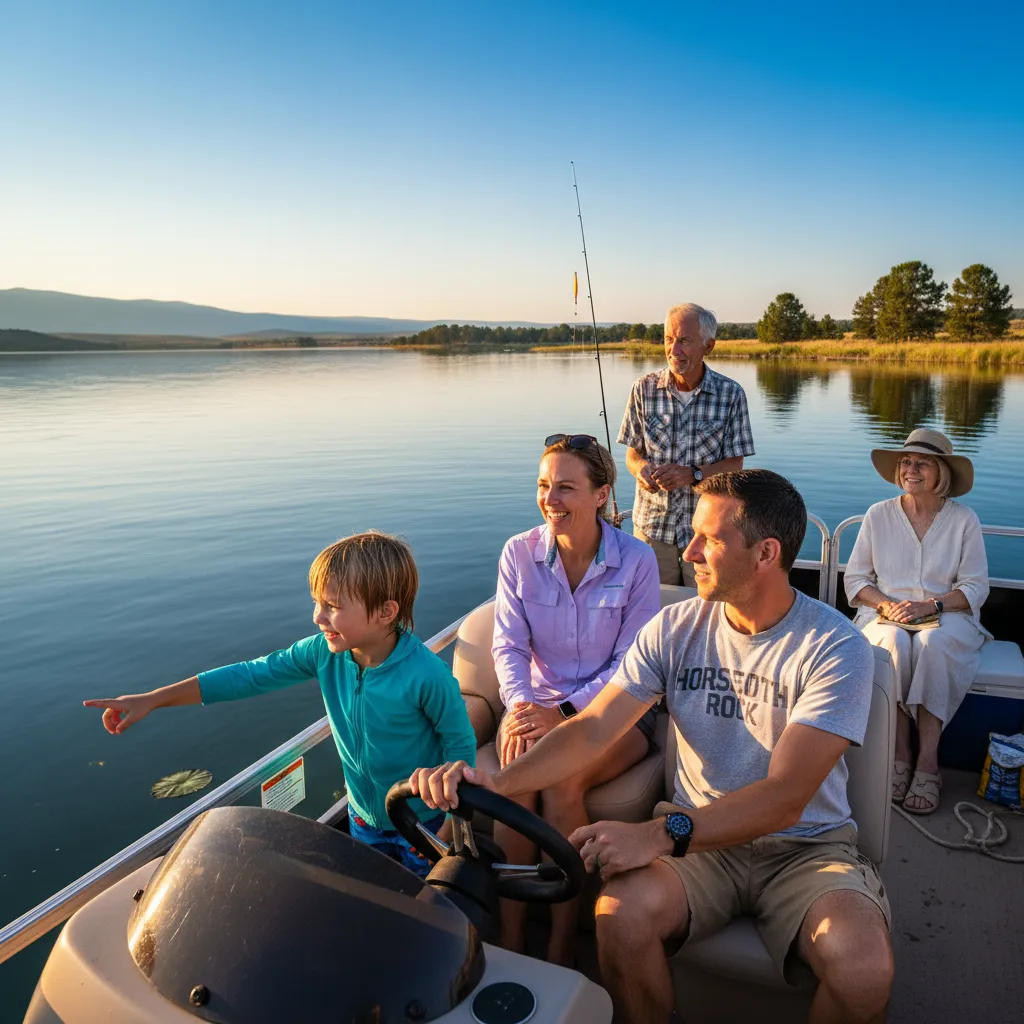
Generic uninsured boater policies treat all boats and boating families the same, but a fishing boat operator who regularly carries grandchildren on calm Wyoming lakes needs completely different coverage limits than a performance boat owner navigating crowded Colorado reservoirs on holiday weekends—and neither should accept standard minimum coverage that leaves them exposed when serious accidents occur. We structure uninsured boater coverage by analyzing your specific risk profile: how many passengers you typically carry (solo fishing versus family outings with six people aboard), what waters you navigate (calm protected lakes versus busy high-traffic reservoirs with hundreds of boats on summer weekends), passenger ages and vulnerability (young children more susceptible to serious injury than adult passengers), your boat's speed and use patterns (leisurely pontoon cruising versus water sports towing that increases accident exposure), and your family's financial ability to absorb medical costs if an uninsured boater causes injuries. For example, we might recommend $500,000 in uninsured boater coverage for a family that regularly takes children and extended family on popular Colorado reservoirs during peak season when traffic is heaviest and accident risk is highest, while a solo fishing boat operator on remote Wyoming lakes might need $300,000 in coverage appropriate for their lower passenger count and reduced traffic exposure—with premium differences of just $100-200 annually for substantially different protection levels. The result is coverage calibrated to your actual passenger protection needs and boating patterns, not generic one-size-fits-all policies that either leave families exposed or make you pay for coverage limits you don't need.
Local expertise matters
Independent agency committed to providing transparent, straightforward insurance solutions for Wyoming and Northern Colorado residents.
REAL UNINSURED BOATER RISKS, REAL PROTECTION
Coverage that protects your family when other boaters can't pay for accidents they cause
When Inexperienced Operators Cause Collisions
It's Memorial Day weekend on a popular Wyoming reservoir, traffic is heavy with dozens of boats navigating the same area, and a young person operating a borrowed jet ski without any boating safety training loses control in choppy water and collides directly with your pontoon boat—throwing your ten-year-old daughter against the railing and causing a fractured arm requiring emergency room treatment, surgery, and months of follow-up orthopedic care. The jet ski operator, who borrowed the watercraft from a neighbor who also carries no insurance, has no liability coverage and limited personal financial resources—meaning they cannot pay for your daughter's medical expenses which total $18,000 between emergency transport, surgery, hospital stay, and ongoing physical therapy. Many families discover too late that their boat insurance's physical damage coverage pays for hull repairs but does nothing for passenger medical expenses, their health insurance has a $5,000 deductible and doesn't cover the full costs, and pursuing the uninsured operator through small claims court is expensive with minimal recovery prospects since they lack assets to seize even if you win a judgment. We structure uninsured boater coverage that specifically addresses these common collision scenarios—covering your daughter's full medical expenses up to policy limits (typically $300,000-$500,000), eliminating or minimizing deductibles so you're not paying out-of-pocket for another's negligence, covering your lost wages if you miss work caring for your injured child during recovery, and handling all communication with medical providers and documentation requirements so you can focus on your daughter's healing rather than fighting with insurance companies about who pays what. For $200-400 annually, you protect your family from the medical bills that uninsured operators cause every boating season across Mountain West waters.
When Hit-and-Run Boaters Disappear
You're anchored in a calm cove on Colorado's Blue Mesa Reservoir enjoying an afternoon with family when a high-speed performance boat passes within 50 feet creating a massive wake that rocks your boat violently—throwing your spouse against the gunwale causing serious back injuries and knocking your elderly father overboard into the water where he suffers hypothermia before you pull him back aboard. The wake boat never slows or acknowledges the incident, disappearing around the point before you can get a registration number or identifying information, leaving you with two injured family members requiring immediate medical transport by emergency services and no identified responsible party to pursue for damages. Hit-and-run boating scenarios are surprisingly common—operators create dangerous wakes without realizing (or caring about) the damage they cause to other boats, alcohol-impaired boaters flee accident scenes to avoid DUI charges, inexperienced operators panic after incidents and leave rather than exchanging information, or in busy conditions operators simply don't notice they caused problems for boats behind them. Without uninsured boater coverage that includes hit-and-run provisions, you're facing $25,000-$50,000 in medical expenses between ambulance transport, emergency room treatment, hospitalization for your father's hypothermia, and ongoing treatment for your spouse's back injury—with zero ability to recover costs since you cannot identify the responsible party. We structure uninsured boater coverage that specifically includes hit-and-run watercraft scenarios where the at-fault boat cannot be identified, provided you have some evidence that another boat caused the incident through witness statements, wake patterns, or physical evidence—covering your family's medical expenses, rehabilitation costs, and lost wages without requiring you to identify the specific boat that caused your injuries. This coverage turns what would be a financial catastrophe into an insurance-covered incident where your family receives proper medical care and you're not left holding tens of thousands in medical bills from someone else's negligence.
When Your Boating Activity Expands
You purchased your first boat five years ago—a small fishing boat you used solo or with one buddy on calm Wyoming lakes—and you bought basic uninsured boater coverage with $100,000 limits that seemed adequate for occasional fishing trips with minimal passenger exposure, but over the years your boating has evolved dramatically: you upgraded to a larger boat that comfortably carries eight people, you now take extended family including young grandchildren on regular outings, you're boating on busier Colorado reservoirs during peak traffic periods, and you've added water sports like tubing and wake boarding that increase your time on the water and exposure to other boats. Your risk profile has changed fundamentally—you're now regularly carrying six to eight passengers including vulnerable children, operating in high-traffic environments where collision risk is substantially higher than remote fishing lakes, and engaging in activities that keep you in high-speed navigation zones where serious accidents are more common—but your uninsured boater coverage is still the basic $100,000 limit you bought five years ago when you were a solo angler. Most boaters don't realize that $100,000 in uninsured boater coverage can be consumed instantly in a serious accident with multiple injured family members—your granddaughter's serious head injury alone could cost $50,000-$100,000 in medical treatment, leaving minimal coverage for other injured passengers, your own injuries, or your spouse's treatment. We proactively review uninsured boater coverage as your boating evolves, typically recommending increasing limits to $300,000-$500,000 when you're regularly carrying multiple family members in high-traffic areas—coverage increases that cost just $100-200 annually but provide protection appropriate for your current passenger exposure and boating patterns. Your boating has changed dramatically over five years, and your insurance should reflect that evolution—protecting the full family you're now carrying, not the solo fishing trips you used to take.
When Claims Get Complicated
An uninsured pontoon boat operator misjudges distance while docking at a busy Utah marina and collides with your boat, injuring two passengers who require medical treatment—you file an uninsured boater claim expecting straightforward coverage, but then your insurance company disputes the claim arguing that the pontoon boat's insurance information provided at the scene shows they had liability coverage (making them "insured" not "uninsured"), even though you later discover that policy had lapsed three months earlier and the operator was unknowingly operating without active coverage. Insurance companies employ claims adjusters, investigators, and attorneys whose job includes finding coverage exclusions, disputing whether boats were truly "uninsured," arguing over whether hit-and-run provisions apply when partial boat identification exists, and pressuring policyholders to accept reduced settlements by highlighting policy ambiguities—and most boat owners have no expertise to fight back against these tactics, don't understand marine insurance policy language well enough to argue coverage interpretations, and ultimately accept unfair claim denials or reduced settlements because they lack the knowledge and resources to advocate effectively. Without an independent agent fighting for you throughout the claims process, you're alone against a corporation with every incentive to minimize payouts—trying to prove the other boat was actually uninsured despite insurance cards that turned out to be expired, gathering documentation about hit-and-run incidents when you don't have perfect boat identification, negotiating with adjusters trained to dispute claims, and potentially hiring expensive maritime attorneys (taking 33-40% of any recovery) because you have no other way to challenge unfair denials. We advocate for you throughout uninsured boater claims—reviewing adjuster determinations for accuracy, helping you gather witness statements and documentation proving the other boat lacked active coverage, communicating with the carrier using marine insurance terminology they cannot dismiss, escalating disputes when adjusters are being unreasonable about clear coverage situations, and if necessary connecting you with attorneys we trust who specialize in marine claims—typically getting you settlements closer to full policy limits without you paying public adjuster fees, because we're already compensated by your policy and our reputation depends on successful claims advocacy. You get an expert fighting for your family's interests at no additional cost, not abandonment during the complex claims process when you need support most.
UNINSURED BOATER COVERAGE INSIGHTS THAT MATTER
Practical knowledge to guide your boating insurance protection strategy

Understanding Uninsured Boater Coverage Limits and Costs
How to evaluate appropriate uninsured boater coverage limits for your family's boating patterns—including why standard $100,000 limits are often inadequate for families carrying multiple passengers, how medical costs from serious boating injuries can quickly exceed minimal coverage, what limit increases cost annually (typically just $100-200 to jump from $100,000 to $300,000-$500,000), and how to calculate appropriate protection based on passenger count, boating frequency, and waters you navigate.

What Uninsured Boater Coverage Actually Covers (and Doesn't)
Detailed explanation of uninsured boater coverage scope—clarifying that it covers bodily injury medical expenses but not property damage to your boat (that's physical damage coverage), when hit-and-run provisions apply and what evidence you need to prove an unidentified boat caused injuries, why wake-only incidents without direct boat contact may not be covered by some policies, and critical exclusions like requirements for direct physical contact that can deny coverage in scenarios you assumed were protected.
COVERAGE FOR EVERY BOATING STAGE
First-Time Boat Owner
Just purchased your first boat? You're likely boating solo or with one or two friends, learning navigation and safety, and building experience on relatively calm protected waters. We structure affordable uninsured boater coverage focused on essential protection—typically $100,000-$300,000 limits appropriate for your lower passenger count and learning-phase boating patterns—giving you foundational protection from uninsured operators without overwhelming your new-boat budget.
Growing Boating Family
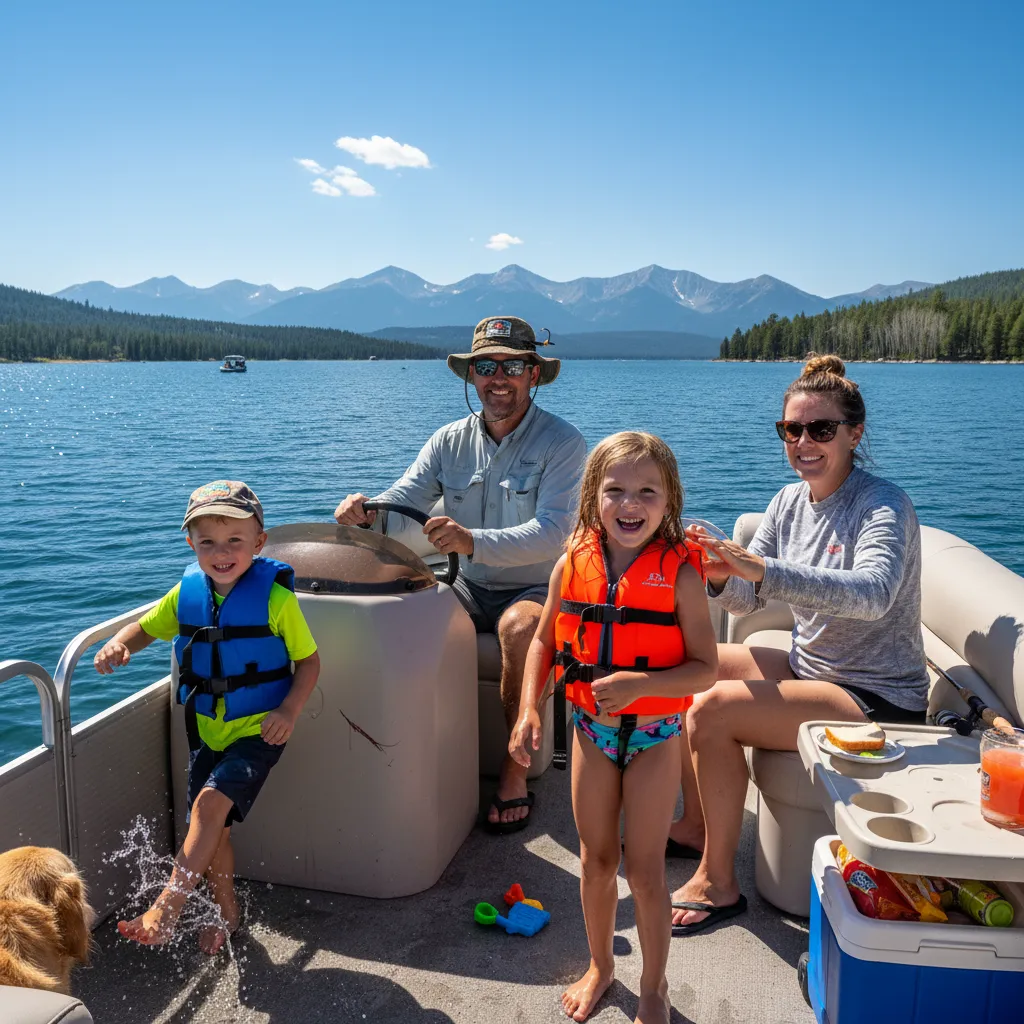
Taking kids and extended family on regular boating trips now? You're likely carrying four to eight passengers including young children more vulnerable to serious injury, navigating busier waters during peak family recreation times, and adding water sports activities that increase your exposure to other boats. We expand uninsured boater coverage to $300,000-$500,000 limits appropriate for your increased passenger count and higher-traffic boating environments—ensuring medical coverage protects your entire family when accidents involve uninsured operators, not just covering one or two people before limits are exhausted.
Experienced Boater
Boating for years with established patterns? You're probably carrying regular passengers including grandchildren, friends, and extended family, you know your favorite waters and peak traffic periods, and you've likely witnessed or heard about accidents involving uninsured operators in your boating community. We review and optimize uninsured boater coverage to match your established boating profile—potentially increasing limits as passenger patterns expanded over the years, adding coverage for specific activities like wake boarding or water skiing if you've adopted new uses, and ensuring your coverage kept pace with inflation in medical costs which have risen 30-40% over the past decade.
Multiple Boat Owner
Own multiple watercraft for different uses? You might have a fishing boat for solo outings and a performance boat for family recreation, or pontoon and jet skis for different passenger groups—each with different passenger exposure, use patterns, and uninsured boater risk profiles. We coordinate uninsured boater coverage efficiently across multiple boats—potentially shared policy limits that reduce per-boat costs while maintaining adequate family protection, appropriate coverage levels for each boat's actual use and passenger patterns, and ensuring you're not paying for duplicate coverage or leaving gaps between policies that cover different watercraft.
FAQs
Standard boat and personal watercraft insurance policies generally exclude certain situations. This often includes normal wear and tear, mechanical breakdown due to lack of maintenance, insect or animal damage, or damage from intentional acts. Using your boat for racing or commercial purposes (unless specifically endorsed) is also typically not covered. It's important to read your policy carefully to understand limits and exclusions, a process JWR Insurance is happy to help you with so there are no surprises.
While boat and personal watercraft insurance isn't always legally mandated everywhere, it's a crucial investment for peace of mind, especially when enjoying Wyoming or Colorado's vast waterways like Lake Powell or Glendo State Park. Accidents happen, and without insurance, you'd be solely responsible for potentially significant repair costs—which can easily run into thousands of dollars for even minor damage—or liability claims if someone gets injured or property is damaged. Consider it protection against the unexpected, allowing you to focus on fun, not financial worry. Contact JWR to discuss your specific needs and see how affordable this protection can be.
The cost of boat or personal watercraft insurance can vary significantly based on factors like the type and value of your vessel, its primary usage (fishing, recreation, etc.), and where you operate it—such as the high winds on Flaming Gorge or the bustling waters of Horsetooth Reservoir. A newer, high-performance boat will cost more to insure than an older fishing boat. For an accurate quote tailored to your specific marine adventures, contact JWR Insurance; we can help you navigate the options and costs.
If your boat or personal watercraft is damaged or involved in an incident, the first step is always to ensure safety and prevent further damage. Then, report the incident to authorities if necessary and gather all relevant information, including photos and contact details of involved parties or witnesses. Contact JWR Insurance as soon as possible; our team will guide you through filing the claim, help you understand the next steps, and assist in getting your vessel inspected and repaired. Our goal is to make the claims process as smooth and stress-free as possible.
When insuring your boat, you generally have two main valuation options. "Actual Cash Value" (ACV) coverage pays out the replacement cost of your boat or parts, minus depreciation, meaning the payout will reflect its current market value, not what you originally paid for it. "Agreed Value" coverage, on the other hand, means you and your insurer agree on a specific value for your boat at the start of the policy, and that's the fixed amount you'll receive if it's declared a total loss, regardless of depreciation. For newer or custom vessels, Agreed Value often provides greater peace of mind. We can help you decide which option best fits your boat and budget.
Boat and personal watercraft insurance typically covers a wide range of perils, from physical damage to your vessel due to collisions, fire, theft, or vandalism, to liability coverage for injuries or damage you might cause to others or their property. Many policies also include protection for medical payments for injuries to you or your passengers, and even wreckage removal should your boat sink in a local lake. This comprehensive coverage ensures you're protected whether you're on the open water or docked at a marina.